


Friday, 16/10/2026 | 09:09
Case study
Energy Efficiency Solutions in Pharmaceutical Manufacturing
16:07 - 12/01/2026

Thanks to the comprehensive implementation of energy efficiency and conservation measures, Asta Healthcare USA Joint Stock Company has reduced electricity consumption in its pharmaceutical manufacturing operations by 30%.
The Challenge of Energy Optimization
Pharmaceutical manufacturing is one of the most energy-intensive industries due to the need for continuous operation of large electricity-consuming systems, including cooling chillers, cleanroom air-handling units (AHUs), compressed air systems, and production lines operating under stringent controlled conditions. In addition, increasing volatility in energy prices, mounting pressure to comply with environmental standards, emission reduction requirements, and sustainability expectations from international markets are forcing enterprises to rethink their approaches to energy management and use.
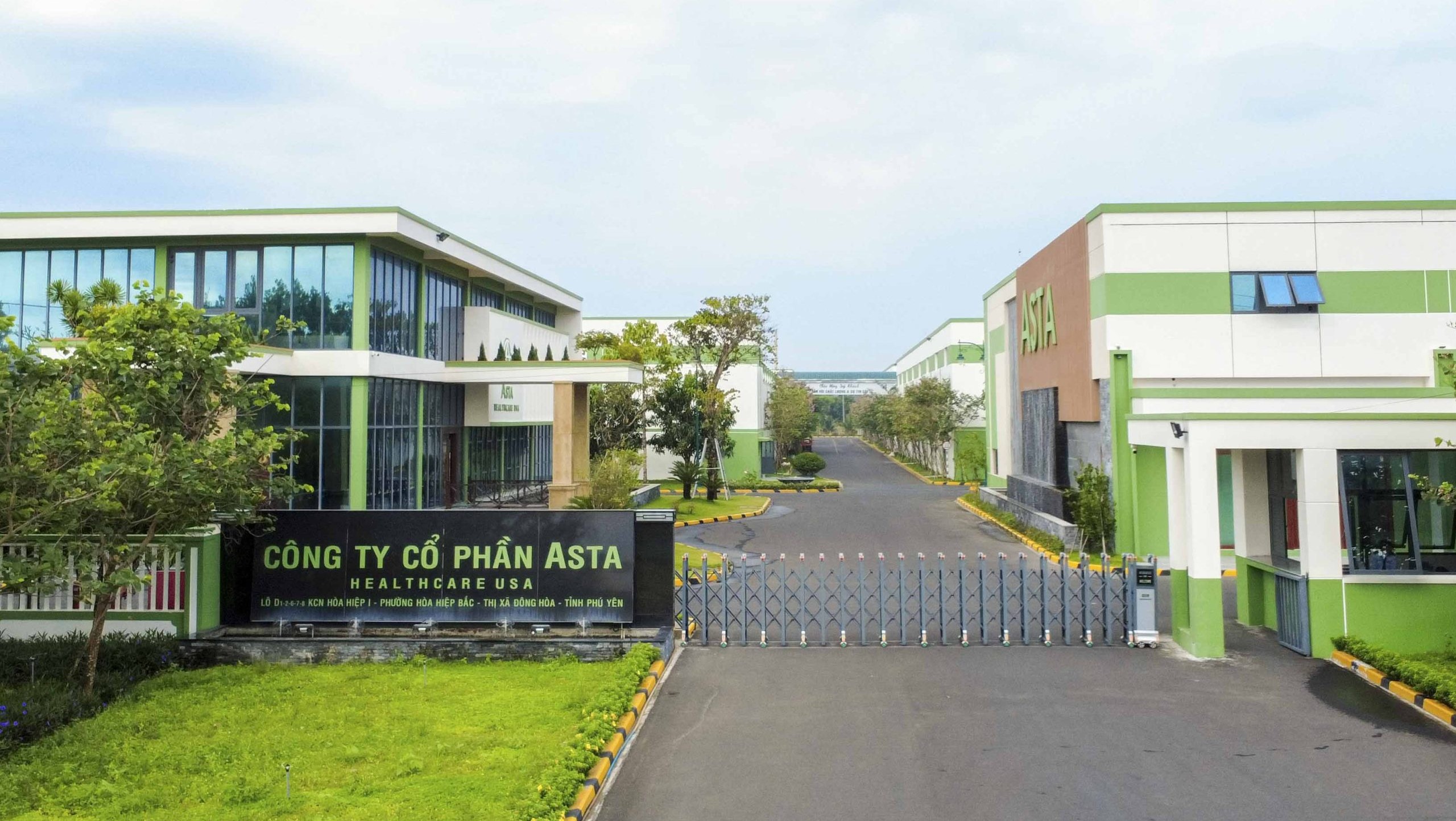
Asta Healthcare USA’s Energy Efficiency Journey in Pharmaceutical Manufacturing.
Mr. Tran Phuc Yen, General Director of Asta Healthcare USA Joint Stock Company, stated that from its early days, Asta Healthcare USA identified community benefits as the guiding principle for all its production and business activities. On that basis, the company developed strategies for efficient and economical energy use, promoting sustainable production.
With a factory area of nearly 5.5 hectares, operating a pharmaceutical manufacturing facility requires not only highly stable technical systems but also a careful balance between operating costs, energy efficiency, and environmental responsibility. Without an integrated approach, the risks of rising production costs, energy waste, and emissions would pose long-term challenges.
Solutions to Improve Energy Efficiency
In response to energy-related challenges, Asta Healthcare USA adopted an integrated approach combining infrastructure investment, smart management technologies, and equipment upgrades. The company invested in a rooftop solar power system with a capacity of approximately 3 MW under a self-generation and self-consumption model, leveraging renewable energy sources, reducing dependence on the national grid, and cutting operating costs.
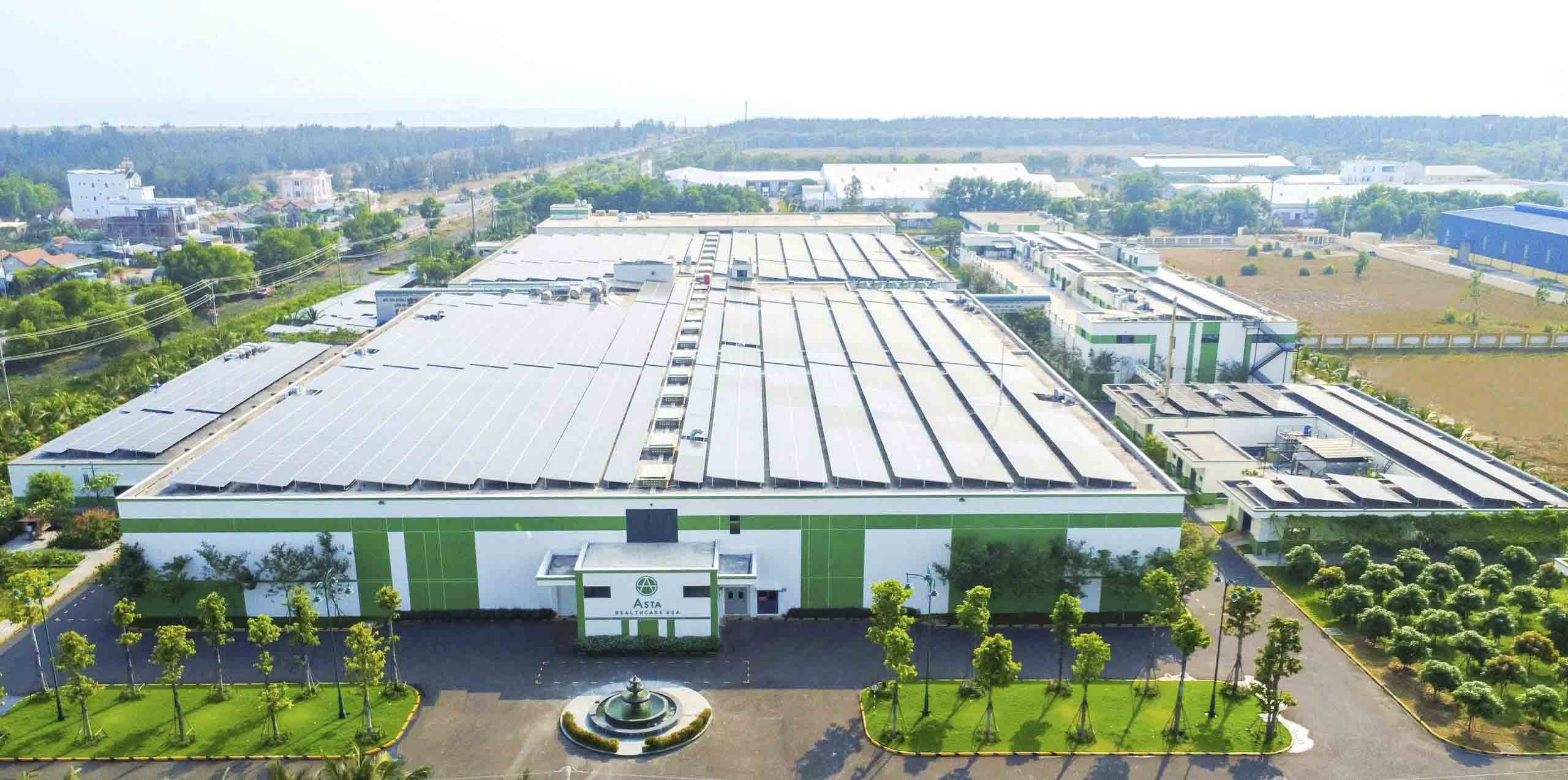
Rooftop solar power system with a capacity of 3 MW.
For major energy-consuming systems, Asta Healthcare USA adjusted operating speeds based on actual loads by installing variable speed drives (VSD/VFD) on high-capacity equipment such as chillers, AHU fans, and water pumps. In addition, water-based cooling systems were selected as an optimal solution in terms of energy efficiency, enabling electricity savings compared to refrigerant gas or air-cooling technologies. Purified water systems (RO-EDI-PW) and boiler steam/thermal systems were also optimized to reduce energy losses and improve overall efficiency. The lighting system was upgraded with high-efficiency LED lamps and PIR motion sensors for zoned lighting control. Together, these measures not only reduce energy consumption but also enhance operational efficiency and lower overall operating costs.
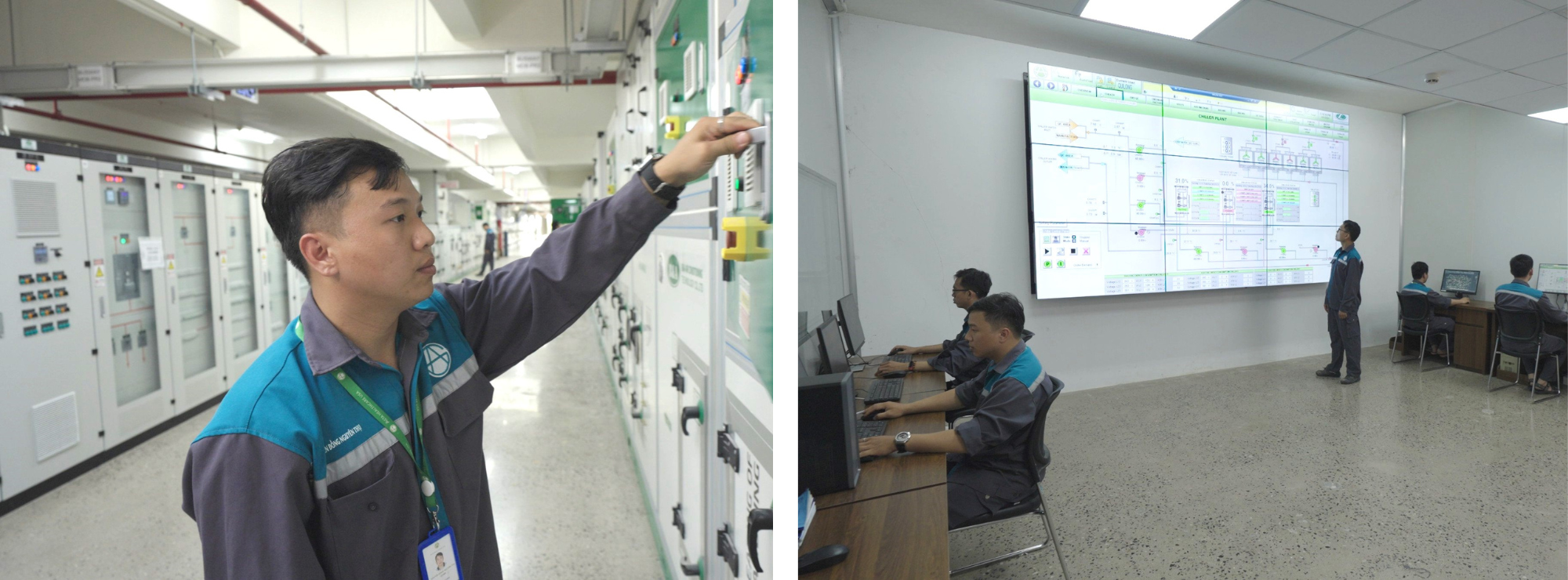
The company implements Energy Management Systems.
In parallel, the company implemented an Energy Management System (EMS) and a Building Management System (BMS) to control and monitor HVAC systems and optimize energy use. Real-time data collection and analysis enable the timely identification of excessive loads, the analysis of consumption trends by workshop, and performance evaluation. This allows early warnings of abnormalities and prompt recommendations for corrective actions.
At the same time, the company established a technical unit responsible for managing and monitoring energy consumption, combined with periodic maintenance in accordance with standard operating procedures (SOPs) to maintain stable performance and minimize energy losses during operation. Regular training programs are also conducted for staff to raise awareness of energy efficiency and conservation.
“The company has issued comprehensive internal policies and regulations on energy efficiency and conservation, aligned with the Law on Using Energy Efficiency and Conservation No. 50/2010/QH12 and the amended Law No. 77/2025/QH15, which takes effect from 1 January 2026,” Mr. Tran Phuc Yen noted.
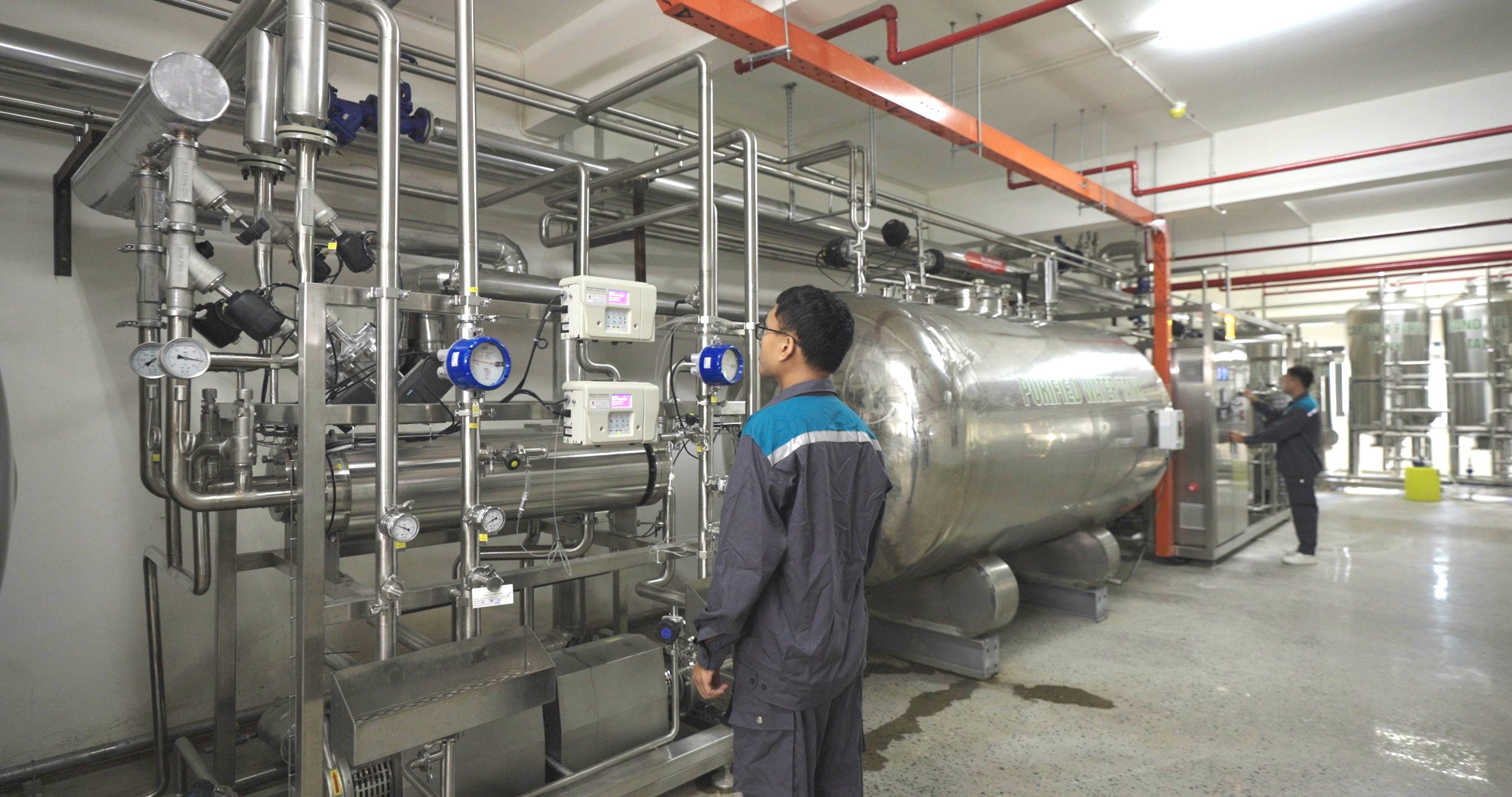
Asta Healthcare USA applies operational optimization technologies to save energy.
Achieved Results and Sustainable Development Orientation
The integrated implementation of energy efficiency solutions has delivered clear results for Asta Healthcare USA, as reflected in a significant reduction in electricity consumption despite the continuous expansion of production scale.
In 2024, when the company operated two production workshops without a solar power system, average monthly electricity consumption was approximately 303,000 kWh. By October 2025, after bringing two additional workshops into operation and commissioning the solar power system, average monthly electricity consumption across all four workshops decreased to around 216,000 kWh.
This is a particularly noteworthy achievement in a context where production capacity doubled while total electricity consumption decreased by approximately 30%, demonstrating the outstanding effectiveness of the energy management and optimization solutions implemented by Asta Healthcare USA.
These results have also been recognized by the Ministry of Industry and Trade and the Vietnam Association for Energy Efficiency and Conservation Science and Technology, which awarded the company Third Prize at the “2025 Industrial Energy Efficiency Awards,” affirming the company’s sound strategy in developing a green, energy-efficient, and sustainable pharmaceutical manufacturing model.


More
-
 Enhancing Production Efficiency Through Energy Optimization
10:38 - 15/09/2026
-

-
 Dong Lam Cement Promotes Energy Efficiency to Enhance Sustainable Production
14:04 - 28/08/2026
-
 Polytex Pioneers Energy Efficiency in the Textile and Dyeing Industry
14:36 - 25/08/2026
-
 VNSTEEL Thang Long Optimizes Energy Use, Moving Toward Green Production
10:16 - 11/08/2026
-
 CPV Food's Journey Toward Energy Efficiency and Environmental Protection
15:17 - 05/08/2026
EVENTS
-
 27/10/2025
WEBINAR 3 - ESCO Model, A key to promote energy efficiency and conservation
-
06/10/2025
WEBINAR 2 - Financial Support Industrial Enterprises in Energy Efficiency - Opportunities and Challenges
-
22/09/2025
WEBINAR 1 - Scaling Up Energy Efficiency in Vietnam


