


Friday, 16/10/2026 | 09:10
Case study
Key Industrial Manufacturing Sectors Step Up Energy Efficiency Efforts
09:59 - 08/01/2026

Many energy-intensive key industrial manufacturing sectors, such as mining, steel, cement, and paper, are developing both short and long-term energy efficiency programs, while simultaneously upgrading technologies and strengthening energy management practices.
Energy-Intensive Industrial Sectors
The mining sector is one of the most energy-intensive industries due to the use of heavy machinery and complex processing operations (crushing, screening, beneficiation), which require significant energy to operate equipment such as conveyor belts, drilling machines, cooling systems, and slurry treatment systems, across coal, oil and gas, metals, and non-metallic minerals. Energy typically accounts for 15–20% of total operating costs. According to data from the Vietnam National Coal and Mineral Industries Group (TKV), annual coal output averages around 40–45 million tons, with electricity consumption exceeding 700 million kWh per year.
In the cement industry, electricity consumption to produce one ton of cement is approximately 90–100 kWh, while thermal energy to produce one ton of clinker is about 750–800 kcal/kg of clinker, equivalent to 107–114 kg of standard coal with a calorific value of 7,000 kcal/kg. Nationwide, there are currently 92 cement production lines with a total designed capacity of 122.34 million tons per year. If operating at full capacity, the cement industry would consume approximately 110–122 million kWh of electricity annually.
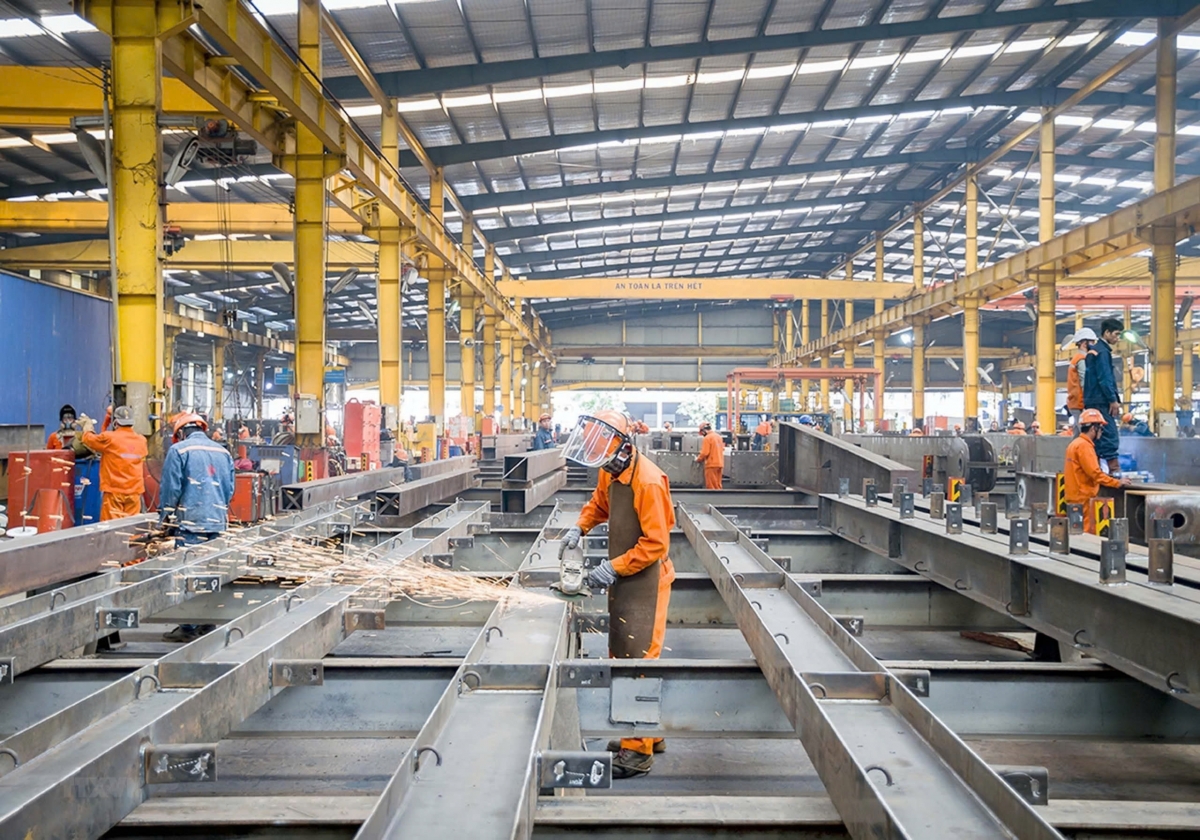
Heavy industry remains among the most energy-consuming sectors compared to others.
Steel is one of the most energy-intensive heavy industries. Total energy consumption in steel production exceeds 187,000 tons of oil equivalent (TOE) per year, with emissions of more than 687,000 tons of CO₂. Vietnam currently has 65 iron and steel production projects with capacities of 100,000 tons per year or more. Although many new steel plants operate at less than 50% of their designed capacity, they still consume around 3.5 billion kWh of electricity annually. In advanced countries such as Japan, electricity consumption per ton of finished steel billet is only about 350–400 kWh, whereas Vietnamese steel plants require roughly double that amount—around 700 kWh.
The paper industry is also among the world’s most energy-intensive industries, accounting for approximately 4% of global energy consumption each year. According to surveys and assessments by the Vietnam Paper Corporation, energy costs account for 20–30% of total production costs in paper and pulp manufacturing. With more than 500 paper manufacturers and an annual growth rate of 15–18%, energy demand in the paper industry is expected to rise rapidly in the coming years.
Energy Efficiency Potential in Industrial Production
Amid rising global energy prices and increasing demands for sustainable development, energy efficiency in key manufacturing sectors has become a strategic priority not only in Vietnam but worldwide. Energy efficiency not only reduces production costs but also helps cut greenhouse gas emissions, enhance competitiveness, and support green growth.
According to surveys by the Ministry of Industry and Trade, industry accounts for more than 50% of total national energy consumption and holds substantial energy-saving potential. Enterprises can reduce energy use by approximately 20–30% through production optimization, technological upgrades, and effective energy management.
Energy efficiency in production not only lowers direct costs but also alleviates input cost pressures, especially as rising electricity prices have significantly affected business operating expenses.
Typical Energy Efficiency Models
In recent years, many TKV units have implemented comprehensive energy efficiency solutions, delivering clear initial results. A notable example is Cao Son Coal Joint Stock Company, which has identified energy efficiency as a key measure to reduce costs and enhance competitiveness. Over the years, the company has implemented a wide range of measures, including installing soft starters and variable frequency drives (VFDs) for pump motors and electric excavators; applying energy-saving operating regimes by maximizing off-peak electricity use; upgrading reactive power compensation systems; lowering discharge points of drainage pump systems to reduce electricity consumption; and deploying modern production management systems with 24/7 online monitoring combined with a mine-wide camera network to control equipment and fuel use tightly.
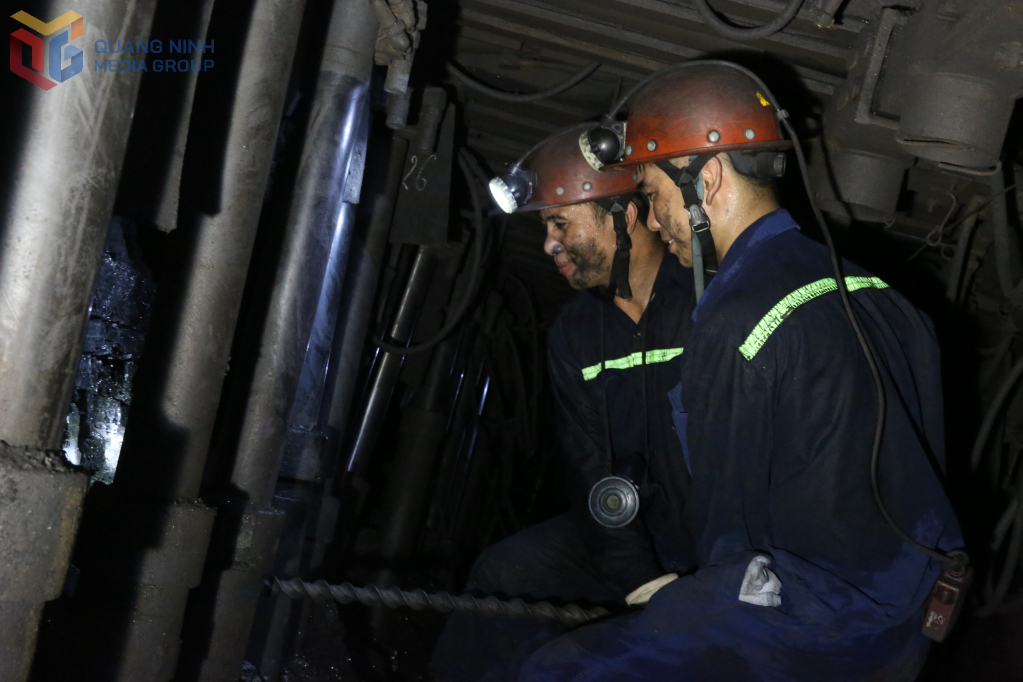
TKV units operate modern mechanized equipment in coal mining, contributing to productivity gains and energy savings. (Photo: TKV)
Alongside technical solutions, Cao Son Coal places strong emphasis on raising energy-saving awareness among all staff and workers. As a result, the company’s energy efficiency efforts deliver not only economic benefits but also make a significant contribution to sustainable development, creating a “dual benefit” through a “three-reduction” model: reduced costs, reduced energy consumption, and reduced emissions.
| Cao Son Coal Joint Stock Company annually moves over 50 million cubic meters of overburden and extracts more than 3 million tons of raw coal. The company currently manages and operates more than 400 specialized diesel-powered vehicles, along with conveyor systems, drainage pumps, electric excavators, and high-capacity electric drilling rigs. This large equipment fleet results in annual consumption of more than 80 million liters of diesel fuel and approximately 40–50 million kWh of electricity. Energy costs alone account for up to 65% of the product cost structure, making energy efficiency the “key” to improving production and business performance. |
In steel production, Hoa Phat Group has also adopted an appropriate approach to maintain competitiveness and access to the EU market following the implementation of the CBAM mechanism. A prime example is the Hoa Phat Dung Quat Integrated Steel Complex in Quang Ngai Province, which has invested in modern G7-standard production lines using a closed-loop circular technology. This enables optimized production and the utilization of all surplus heat and gases generated during iron and steelmaking to enhance power generation efficiency and reduce production costs.
As of 30 June 2025, electricity generation from the power plant within the Hoa Phat Dung Quat Integrated Steel Complex reached 1.45 billion kWh, meeting more than 90% of the complex’s electricity demand for production.
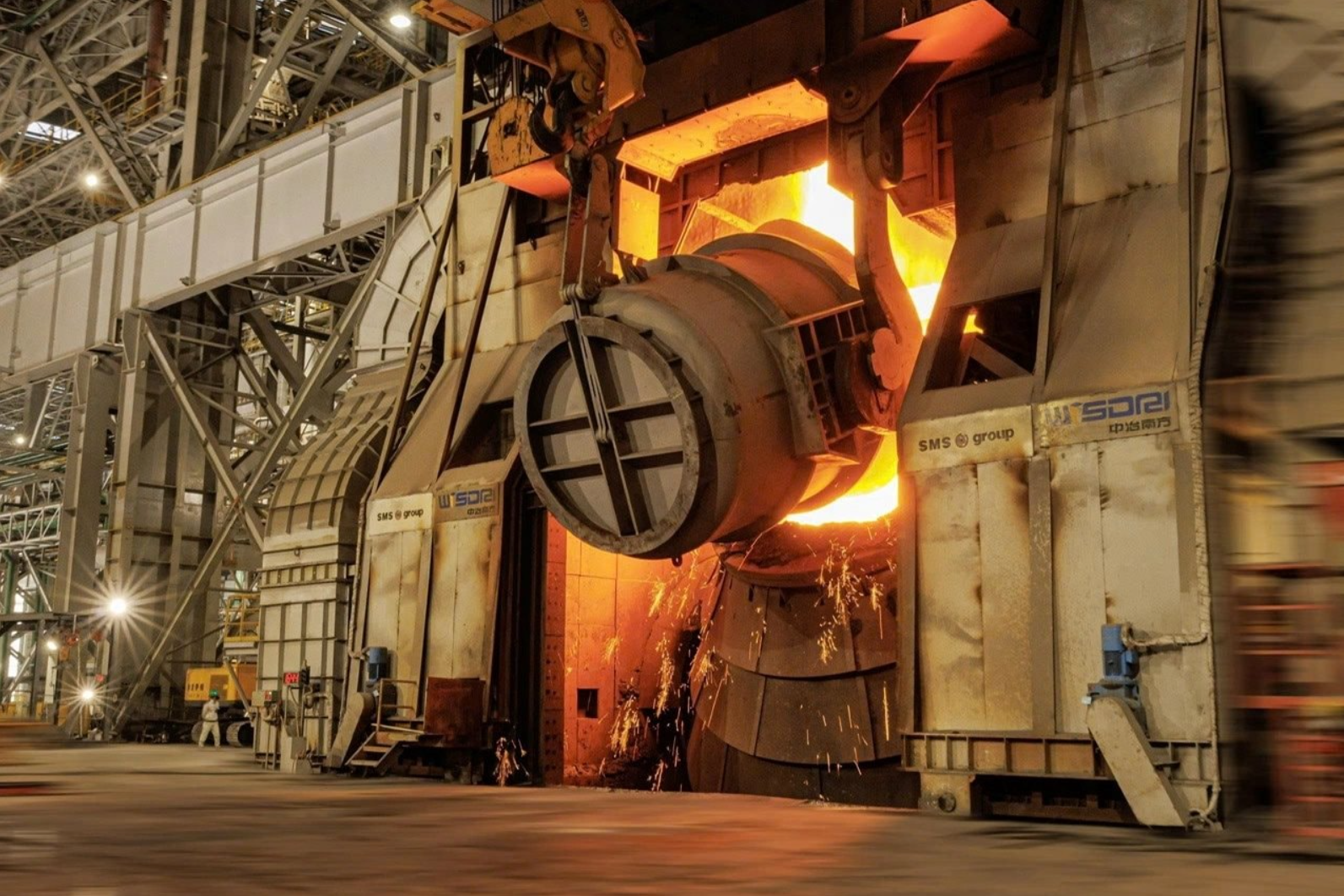
Hoa Phat Dung Quat invests in an oxygen blast furnace for steelmaking technology.
Energy efficiency in key manufacturing sectors is not merely an economic option but a decisive factor for the sustainability of industrial production. Enterprises have demonstrated that comprehensive energy efficiency strategies—combined with technological innovation and effective management—are the key to optimizing production costs, reducing emissions, and strengthening market competitiveness.


More
-
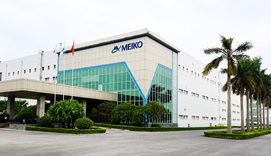
 Enhancing Production Efficiency Through Energy Optimization
10:38 - 15/09/2026
-
-
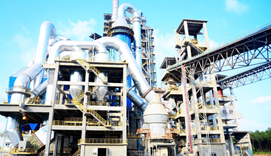 Dong Lam Cement Promotes Energy Efficiency to Enhance Sustainable Production
14:04 - 28/08/2026
-
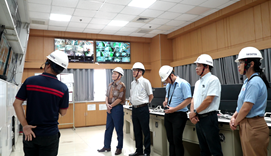 Polytex Pioneers Energy Efficiency in the Textile and Dyeing Industry
14:36 - 25/08/2026
-
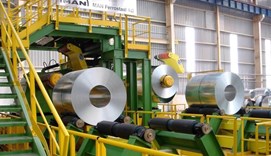 VNSTEEL Thang Long Optimizes Energy Use, Moving Toward Green Production
10:16 - 11/08/2026
-
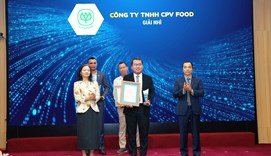 CPV Food's Journey Toward Energy Efficiency and Environmental Protection
15:17 - 05/08/2026
EVENTS
-
 27/10/2025
WEBINAR 3 - ESCO Model, A key to promote energy efficiency and conservation
-
06/10/2025
WEBINAR 2 - Financial Support Industrial Enterprises in Energy Efficiency - Opportunities and Challenges
-
22/09/2025
WEBINAR 1 - Scaling Up Energy Efficiency in Vietnam


