


Friday, 16/10/2026 | 09:11
Case study
Cement Enterprises Innovate Technology to Save Energy and Improve Product Quality
15:11 - 08/05/2026

In the context of rising energy prices and increasingly stringent environmental requirements, energy efficiency is becoming a key solution helping cement enterprises improve productivity, product quality, and competitiveness.
Energy efficiency and conservation is the key to improving cement production efficiency
The cement industry is classified as one of the most energy-intensive sectors, with electricity and thermal energy costs accounting for a significant proportion of product costs. On average, producing one ton of cement requires approximately 90–100 kWh of electricity, while producing one ton of clinker requires 750–800 kcal/kg of thermal energy, equivalent to hundreds of kilograms of standard coal. This high level of energy consumption places constant pressure on production costs, especially amid continuous fluctuations in electricity and fuel prices.
In addition to cost pressures, cement enterprises are facing increasing environmental requirements. The implementation of the European Union’s Carbon Border Adjustment Mechanism (CBAM) and stricter emission standards in many export markets requires companies to reduce energy consumption and CO₂ emissions if they wish to maintain and expand market share. In this context, energy efficiency is no longer a temporary solution but has become a long-term strategy that determines competitiveness and sustainable development for cement enterprises.
One of the major solutions widely adopted by cement companies in recent years is Waste Heat Recovery (WHR) for power generation. This technology utilises excess heat generated during the clinker production process to produce electricity for factory operations. According to estimates, if all cement plants in Vietnam invested in WHR systems, total power generation capacity could reach nearly 200 MW, reducing approximately 20% of electricity consumption from the national grid. In addition to economic benefits, WHR contributes to reducing greenhouse gas emissions, in line with green production trends.
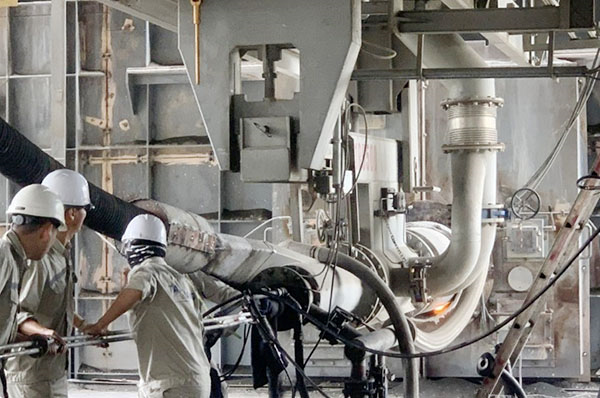
Tan Thang Cement is one of the pioneering companies operating a waste heat recovery power generation system (WHR).
Alongside WHR, many enterprises are also upgrading kiln technologies and grinding equipment, which are the most energy-intensive stages in cement production. The application of high-efficiency kilns, multi-stage preheater towers, and modern grinding systems significantly reduces electricity and heat consumption while improving production stability. As a result, clinker and cement quality are enhanced, products become more uniform, and technical standards are better met.
Another increasingly important approach is reducing clinker ratios through the use of mineral additives and substitute materials such as fly ash, blast furnace slag, or calcined clay. This solution not only reduces energy consumption in clinker production but also lowers CO₂ emissions, while creating cement products aligned with the global trend toward green construction materials.
In addition, the application of digital technologies and automation in management and operation is delivering clear benefits. Energy monitoring systems and real-time optimization controls help enterprises closely track electricity, coal, and water consumption; promptly identify waste; and adjust production processes accordingly. As a result, productivity improves, losses decrease, and energy efficiency is optimized.
Cement enterprises proactively save energy to achieve breakthroughs
In practice, many cement enterprises have achieved remarkable results from investing in energy-saving solutions, considering them a key driver for improving production efficiency and product quality. A typical example is Tan Thang Cement Joint Stock Company, one of the pioneers in operating a WHR system with a capacity of nearly 8.65 MW. Thanks to this system, the plant saves approximately 25–30% of electricity consumption, equivalent to more than VND 80 billion annually. Self-generated electricity from waste heat not only helps Tan Thang reduce production costs but also significantly contributes to reducing CO₂ emissions and advancing toward “green cement” production.
Similarly, Vicem But Son, a member of the Vietnam Cement Industry Corporation (VICEM), has implemented a WHR system with a capacity of nearly 12 MW, generating more than 69.6 million kWh annually and meeting 25–30% of the plant’s energy demand. This self-generated power source saves the company hundreds of billions of VND while reducing tens of thousands of tons of CO₂ emissions each year. At the same time, Vicem Tam Diep has also commissioned a 6 MW WHR system, producing more than 36,000 MWh annually, improving energy efficiency and stabilizing production operations.
Beyond VICEM companies, Long Son Cement is another notable example of successful investment in energy-efficient technologies. With its large-scale WHR system, the company generates approximately 260 million kWh annually, meeting nearly 30% of production electricity demand. This energy self-sufficiency significantly reduces costs, improves production line stability, and enhances product quality and operational efficiency.
At the group level, the Vissai Cement Group, with its large energy demand, consistently prioritizes electricity optimization and cost reduction. One of its standout solutions is investment in waste heat recovery power generation technology. This advanced European technology was integrated into the construction of the Do Luong Cement Plant, and the system has operated stably since early 2017.
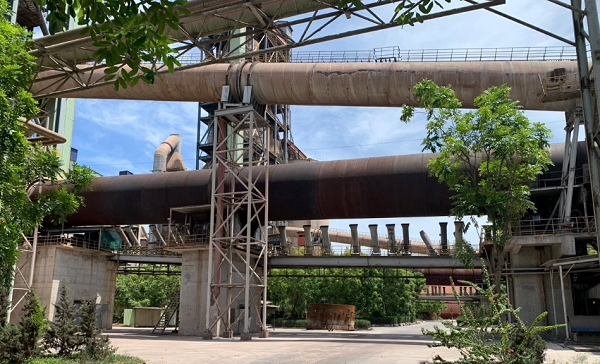
Do Luong Cement Plant implements various energy-saving solutions to improve productivity and product quality.
The WHR system at Do Luong Cement Plant utilizes heat from clinker production exhaust gases to generate steam for electricity generation. As a result, the plant reduces production costs while minimizing environmental impacts. After passing through the heat recovery system, exhaust gases continue through dust treatment and cooling systems before being released into the atmosphere, ensuring compliance with environmental standards. Statistics show that this system generates more than 100 million kWh annually, supplying up to 39% of the plant’s total electricity consumption.
In addition, to diversify clean energy sources, Do Luong Cement Plant planned to commission a solar power system in May 2024. Utilizing rooftop space on raw material warehouses, the system is expected to generate an average of 170 MWh per month, equivalent to around 0.8% of the plant’s electricity demand, further reducing grid electricity consumption.
Alongside large-scale investments, Do Luong has also implemented operational energy-saving measures such as installing variable frequency drives (VFDs) for fans and major electrical equipment to reduce electricity use. Thanks to these integrated solutions, the plant self-generates more than 100 million kWh annually, reducing costs by approximately VND 159 billion and improving production efficiency.
Meanwhile, Song Lam Cement Joint Stock Company focuses on flexible energy management solutions. Mr. Pham Xuan Khanh, Deputy Director of Production, stated that the company optimizes equipment operations by rotating machine shutdowns during peak hours to reduce electricity costs per unit of clinker. This solution alone saves approximately VND 14.5 billion thanks to differences in electricity pricing across time-of-use periods. Song Lam also strictly controls lighting systems, replacing all inefficient lamps with LEDs and establishing appropriate lighting schedules for each area of the plant.
These energy-saving efforts not only provide direct economic benefits but also help cement enterprises stabilize product quality, reduce dependence on the national grid, and enhance resilience against energy market fluctuations. More importantly, reducing CO₂ and greenhouse gas emissions enables enterprises to meet increasingly stringent environmental requirements, expand export opportunities, and strengthen competitive advantages.


More
-
 Enhancing Production Efficiency Through Energy Optimization
10:38 - 15/09/2026
-
-
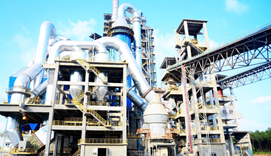 Dong Lam Cement Promotes Energy Efficiency to Enhance Sustainable Production
14:04 - 28/08/2026
-
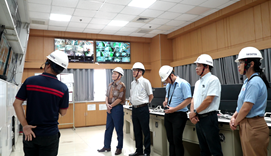 Polytex Pioneers Energy Efficiency in the Textile and Dyeing Industry
14:36 - 25/08/2026
-
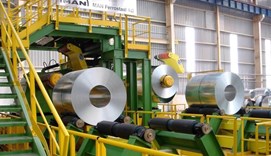 VNSTEEL Thang Long Optimizes Energy Use, Moving Toward Green Production
10:16 - 11/08/2026
-
 CPV Food's Journey Toward Energy Efficiency and Environmental Protection
15:17 - 05/08/2026
EVENTS
-
 27/10/2025
WEBINAR 3 - ESCO Model, A key to promote energy efficiency and conservation
-
06/10/2025
WEBINAR 2 - Financial Support Industrial Enterprises in Energy Efficiency - Opportunities and Challenges
-
22/09/2025
WEBINAR 1 - Scaling Up Energy Efficiency in Vietnam


