


Friday, 16/10/2026 | 09:11
Case study
Thai Nguyen Enterprises Save Energy for Sustainable Growth
15:41 - 07/04/2026

Enterprises in Thai Nguyen Province are implementing various solutions to save energy and improve production efficiency.
Promoting awareness and communication
Thai Nguyen is a province with a high industrial growth rate, hosting many large industrial parks and clusters (such as Song Cong, Yen Binh, Phu Binh, etc.). Electricity consumption for industrial parks, steel production, and metallurgy accounts for approximately 75% of the province’s total electricity consumption.
To meet production demand, in addition to investing in and commissioning dozens of substations and upgrading the grid to increase capacity, the power sector has strengthened measures to ensure safe and stable electricity supply—especially through communication and mobilization efforts to encourage businesses and residents to save electricity and use it efficiently.
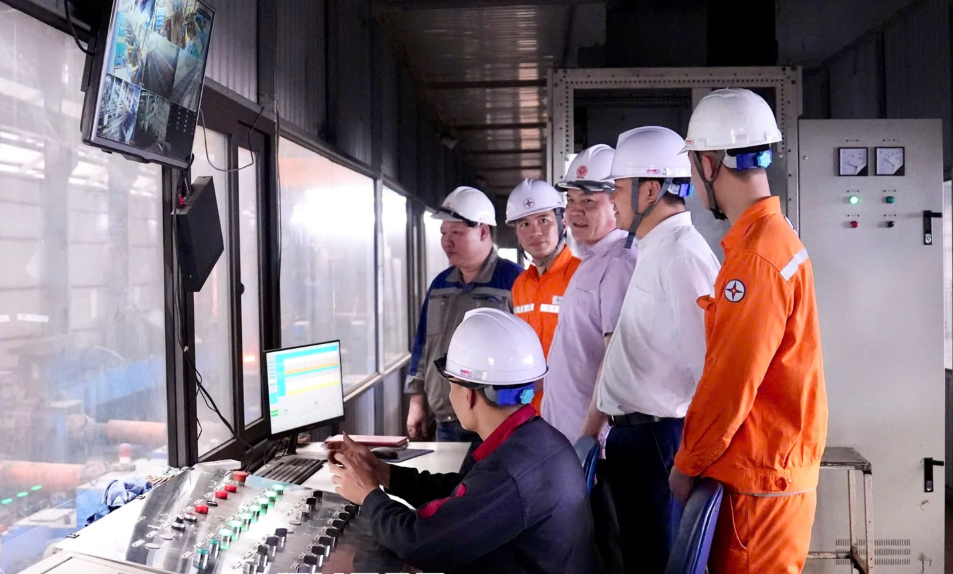
Staff from Thai Nguyen Power Company provide guidance on safe and energy-efficient electricity use at Dai Viet Steel Investment and Trading Joint Stock Company. (Photo: Thai Nguyen Portal)
Mr. Ninh Van Phong, Deputy Director of Thai Nguyen Power Company, stated: In implementing directives from the Northern Power Corporation and the Provincial People’s Committee on electricity saving under Directive No. 20/CT-TTg of the Government, the Company has assigned electricity-saving targets to each affiliated unit, linking specific responsibilities to each managed area.
At the same time, communication and guidance activities for households and businesses on efficient electricity use have been intensified through various accessible and appropriate formats; customers are supported in adopting technological solutions to enhance energy efficiency.
Thanks to the synchronized implementation of multiple solutions, the electricity-saving movement in Thai Nguyen Province has achieved positive results. Many enterprises have reduced production costs and improved operational efficiency; public awareness of electricity conservation has also significantly increased.
In 2025, total electricity savings in Thai Nguyen reached 135.18 million kWh, equivalent to 2.38%, exceeding the minimum target of 2% set by the Prime Minister. The industrial production sector alone saved over 115.9 million kWh. Overall, during the 2020–2025 period, Thai Nguyen saved more than 622.6 million kWh, equivalent to 2.18% of total commercial electricity consumption. These results affirm the effectiveness of coordinated electricity-saving programs implemented in recent years. |
As the hot season approaches and electricity demand rises, Thai Nguyen Power Company continues to encourage enterprises to apply technologies for operational management and real-time electricity consumption monitoring. Establishing long-term habits of energy-efficient electricity use within the community is also identified as a sustainable solution.
Energy efficiency linked with green transition
Energy efficiency is increasingly associated with the development of green and renewable energy, becoming two key pillars in sustainable development strategies. Thai Nguyen is gradually encouraging enterprises to use energy-efficient equipment, invest in rooftop solar power, and develop green production and circular economy models.
In practice, many enterprises in Thai Nguyen have proactively transitioned toward efficient energy use. A typical example is TNG Investment and Trading Joint Stock Company (TNG).
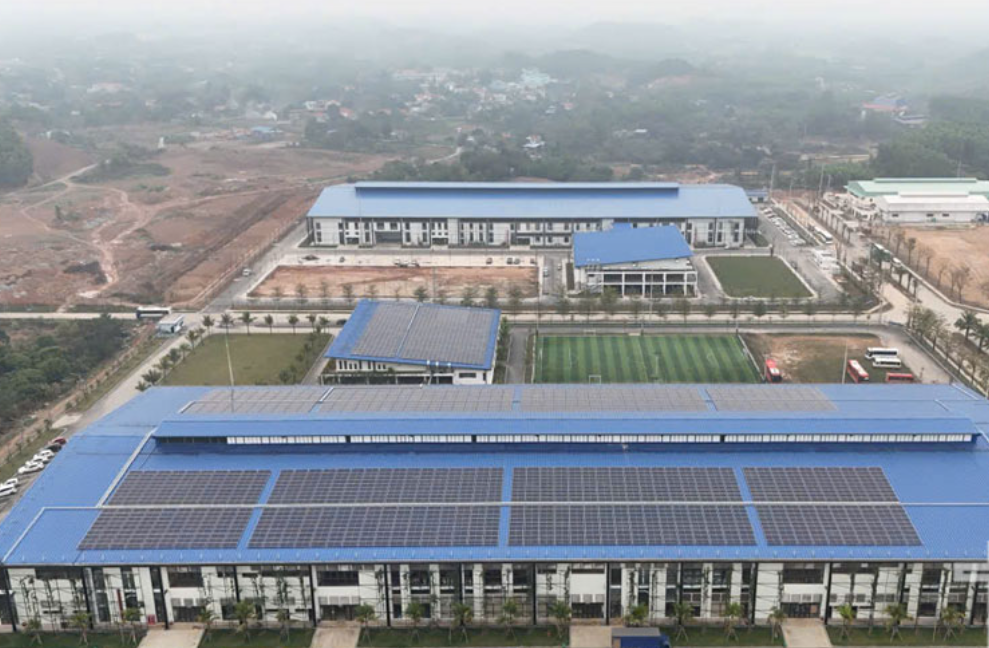
The rooftop solar power system installed at the TNG Viet Thai Factory in Son Cam Industrial Cluster has been put into operation. (Photo: Thai Nguyen Newspaper)
Mr. Dao Duc Thanh, in charge of corporate governance at TNG, shared: Since 2020, TNG has exported to North American and European markets. Therefore, green transition has become a mandatory requirement for the textile and garment industry to enhance competitiveness and integration, especially when exporting to major markets with stringent environmental standards such as the EU and the United States. The Company’s leadership and Board of Directors are committed to implementing a comprehensive green strategy from production to environmental management, helping workers improve productivity and work under better conditions.
For factories established after 2020, TNG has adopted modern designs aligned with LOTUS green building standards. For older factories, the Company is gradually allocating resources for upgrades. Due to the high cost of green transformation, TNG has prioritized phased implementation. Initially, the Company replaced coal-fired boilers with electric boilers. By the end of 2024, TNG had fully replaced 100% of coal-fired boilers with biomass and electric boilers. This has significantly reduced greenhouse gas emissions and created a cleaner working environment for employees.
Currently, TNG is making major investments in large-scale rooftop solar systems, saving on average over VND 700 million in electricity costs per month. The use of clean energy enhances the Company’s image and helps meet increasingly stringent export market requirements.
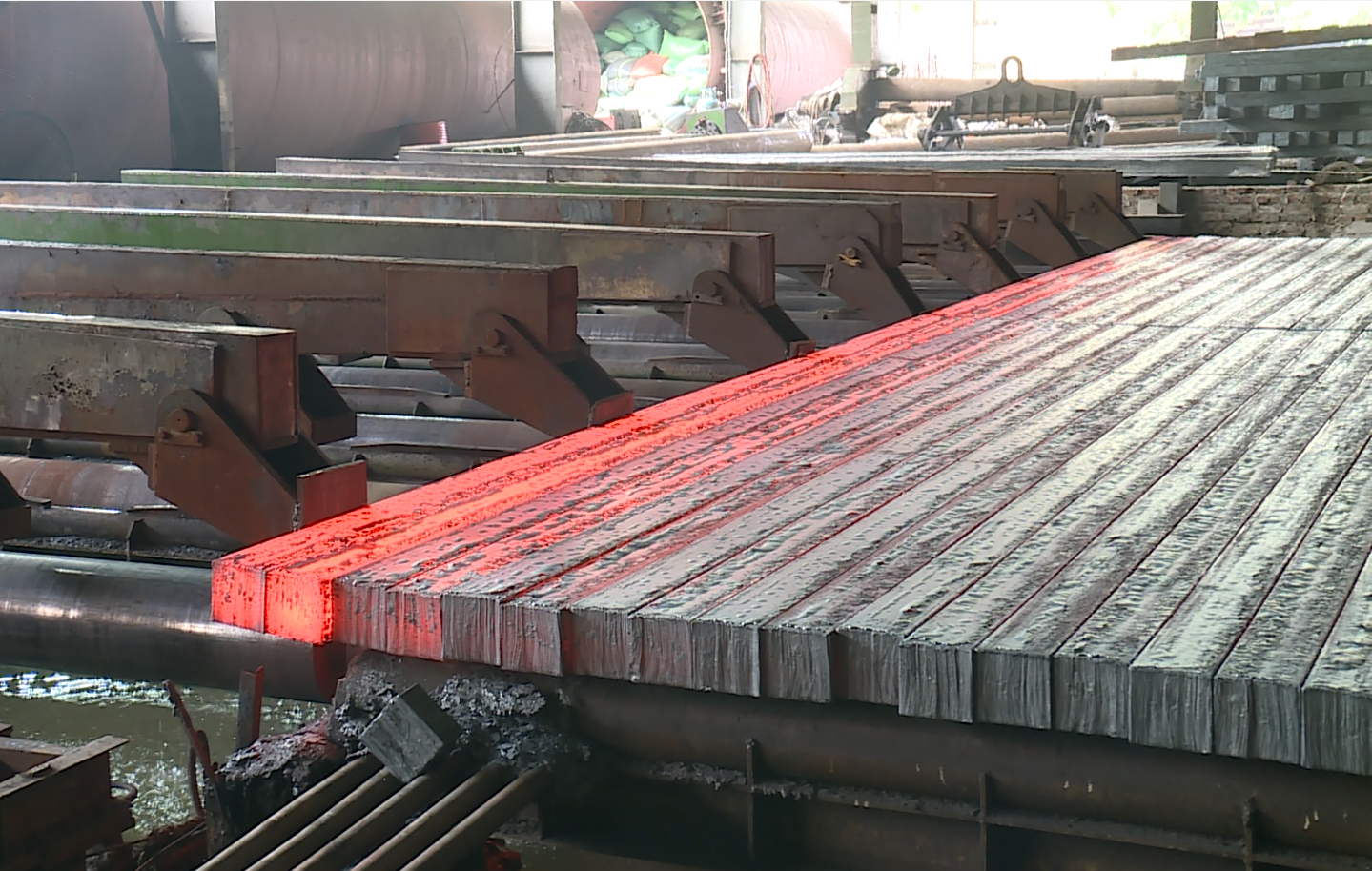
Toan Thang Steel Joint Stock Company utilizes the chemical heat of molten iron in steel production.
Similarly, Toan Thang Steel Joint Stock Company (Song Cong I Industrial Park) has implemented various effective energy-saving solutions.
Mr. Ngo Sy Nha, Deputy Director in charge of technology at the steel plant, stated:
“The Company has invested in a steel billet production line starting from ore and iron. Through pelletizing and sintering processes, materials are fed into the blast furnace to produce molten iron, which is then transferred to the steelmaking plant. Previously, this process relied heavily on electricity; however, it now utilizes the chemical heat of molten iron for steelmaking, reducing electricity consumption. In the future, Toan Thang Steel aims to recover heat generated during steel production to produce steam for power generation, thereby reducing electricity demand.”
“The Company has invested in a steel billet production line starting from ore and iron. Through pelletizing and sintering processes, materials are fed into the blast furnace to produce molten iron, which is then transferred to the steelmaking plant. Previously, this process relied heavily on electricity; however, it now utilizes the chemical heat of molten iron for steelmaking, reducing electricity consumption. In the future, Toan Thang Steel aims to recover heat generated during steel production to produce steam for power generation, thereby reducing electricity demand.”
It can be affirmed that, with coordinated efforts from authorities, sectors, enterprises, and the public, Thai Nguyen is gradually forming a culture of efficient energy use, contributing to energy security and sustainable development.


More
-
 Enhancing Production Efficiency Through Energy Optimization
10:38 - 15/09/2026
-
-
 Dong Lam Cement Promotes Energy Efficiency to Enhance Sustainable Production
14:04 - 28/08/2026
-
 Polytex Pioneers Energy Efficiency in the Textile and Dyeing Industry
14:36 - 25/08/2026
-
 VNSTEEL Thang Long Optimizes Energy Use, Moving Toward Green Production
10:16 - 11/08/2026
-
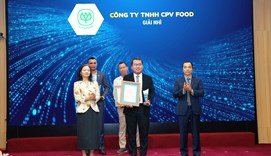 CPV Food's Journey Toward Energy Efficiency and Environmental Protection
15:17 - 05/08/2026
EVENTS
-
 27/10/2025
WEBINAR 3 - ESCO Model, A key to promote energy efficiency and conservation
-
06/10/2025
WEBINAR 2 - Financial Support Industrial Enterprises in Energy Efficiency - Opportunities and Challenges
-
22/09/2025
WEBINAR 1 - Scaling Up Energy Efficiency in Vietnam


