


Wednesday, 09/09/2026 | 10:30
Case study
From the Foundation of 5S to the Journey of Energy Optimization at Meiko Thang Long
15:20 - 08/09/2026

From maintaining 5S practices and raising employees’ awareness of energy use to implementing management solutions and technical improvements, Meiko Thang Long Electronics Co., Ltd. has achieved significant results in energy efficiency.
In addition to investing in technological upgrades, Meiko Thang Long Electronics Co., Ltd. has fostered a culture of energy efficiency through management measures, employee awareness-raising, and technical improvements. This integrated approach has helped the company significantly reduce energy consumption, lower production costs, and move towards sustainable development.
As a 100% Japanese-invested enterprise engaged in the design, development, and manufacture of printed circuit boards (PCBs), Meiko Thang Long established a strong foundation for energy management from the early days of its operations. One practice the company consistently maintains is applying the 5S methodology (Sort – Set in Order – Shine – Standardize – Sustain) in production. Implementing 5S not only contributes to a tidy and safe working environment but also raises employees’ awareness, laying the groundwork for continuous improvement and efficient energy use throughout the factory.
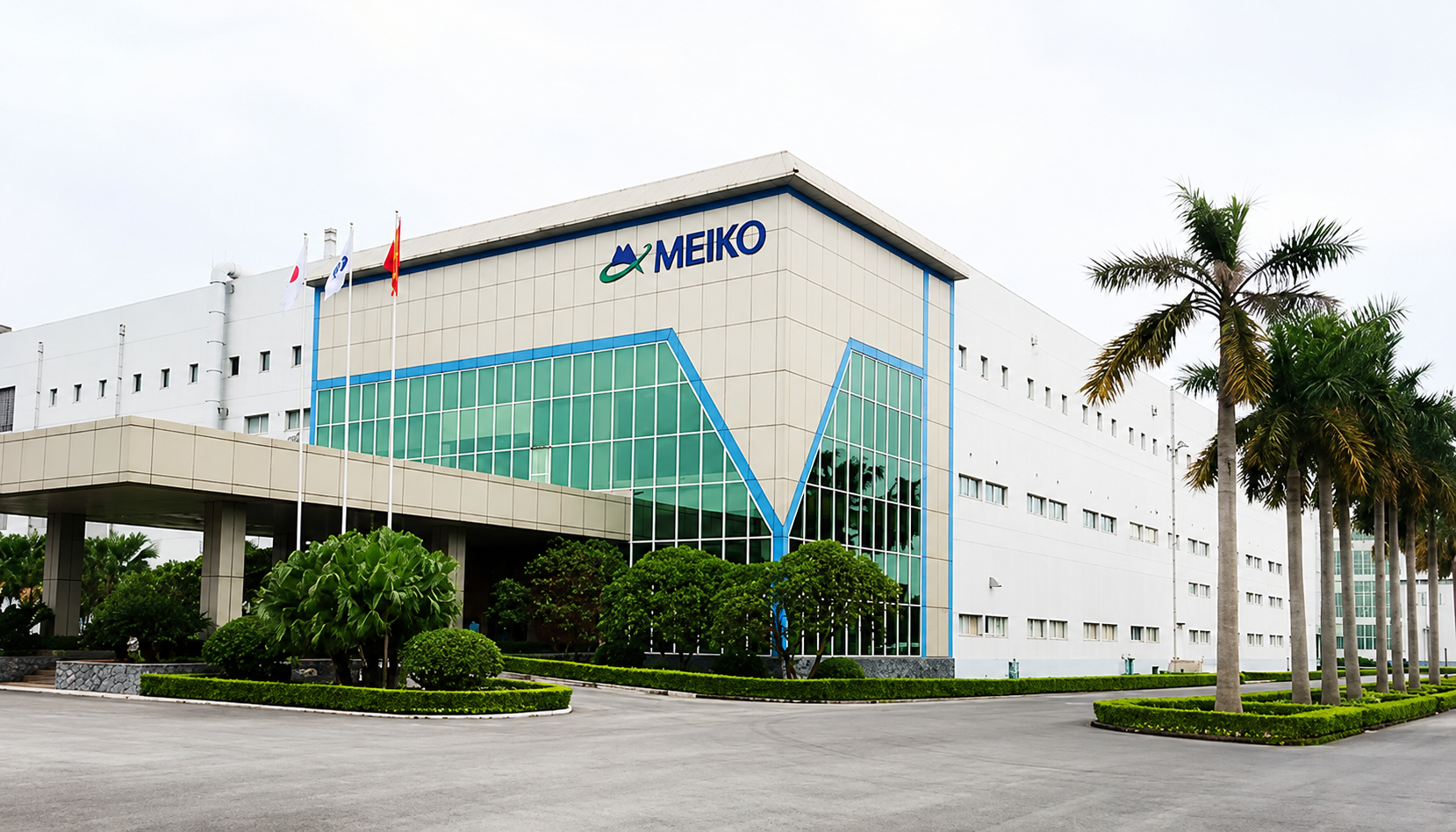
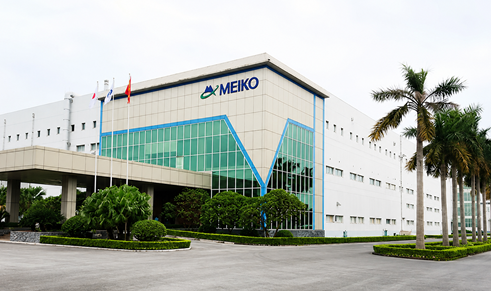
Meiko Thang Long Electronics Co., Ltd.
Alongside maintaining 5S practices, the company has established an energy monitoring system for key energy-consuming areas, introduced regulations on efficient energy use, and regularly organized training and communication activities to raise awareness among employees. Equipment maintenance is also carried out periodically to enable early detection of abnormalities that could cause energy losses during operation.

Illustration of the 5S process in production.
To enhance management effectiveness, the company established an Energy Management Committee responsible for setting energy-use objectives and targets, monitoring the implementation of energy efficiency programs, and exploring investment options for equipment modernization and technological innovation.
In addition to management measures, Meiko Thang Long places particular emphasis on technical investments to reduce electricity consumption. For its lighting system, the company replaced all 18W LED lamps with 12W LED lamps while maintaining the luminous flux required by applicable standards. This measure saves approximately 414,720 kWh of electricity annually, with a payback period of about 2.5 years.
On its chemical processing lines, the company installed variable frequency drives (VFDs) for water-rinsing pumps, resulting in annual electricity savings of approximately 151,790 kWh. VFDs were also installed for the hot-oil pumps of hot-press systems, while wet-process lines were integrated with a standby operating mode, thereby reducing electricity consumption when equipment does not need to operate at high capacity.
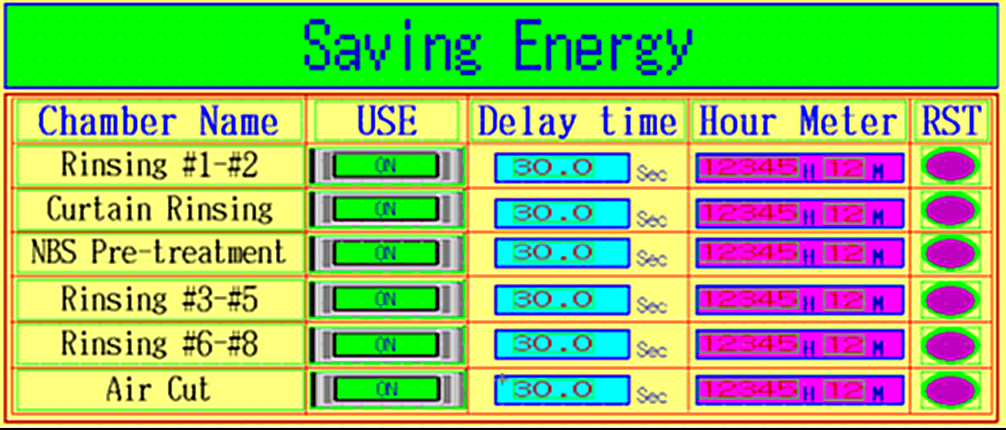
Variable frequency drive management system installed on chemical processing lines.
Alongside equipment improvements, many production processes at Meiko Thang Long have been automated and connected to a centralized monitoring system. The system enables the company to monitor the energy consumption of individual pieces of equipment, control operating status, monitor temperatures in production areas, and promptly detect and address abnormalities.
Through the coordinated implementation of management and technical measures, the company has achieved total electricity savings of more than 1.58 million kWh, equivalent to cost savings of over VND 2.85 billion.
From maintaining 5S practices and raising employees’ awareness of energy use to implementing management solutions and technical improvements, Meiko Thang Long Electronics Co., Ltd. has achieved significant results in energy efficiency. These efforts not only help reduce production costs but also improve energy-use efficiency across the company’s operations, supporting its progress towards sustainable development.


More
-
-
 Dong Lam Cement Promotes Energy Efficiency to Enhance Sustainable Production
14:04 - 28/08/2026
-
 Polytex Pioneers Energy Efficiency in the Textile and Dyeing Industry
14:36 - 25/08/2026
-
 VNSTEEL Thang Long Optimizes Energy Use, Moving Toward Green Production
10:16 - 11/08/2026
-
 CPV Food's Journey Toward Energy Efficiency and Environmental Protection
15:17 - 05/08/2026
-
 Hanoi – Thanh Hoa Beer Optimizes Energy Efficiency in Production
14:59 - 20/07/2026

EVENTS
-
 27/10/2025
WEBINAR 3 - ESCO Model, A key to promote energy efficiency and conservation
-
06/10/2025
WEBINAR 2 - Financial Support Industrial Enterprises in Energy Efficiency - Opportunities and Challenges
-
22/09/2025
WEBINAR 1 - Scaling Up Energy Efficiency in Vietnam


