


Saturday, 28/11/2026 | 05:52
News
Expanding the ESCO Model to Promote Energy Efficiency and Conservation
14:05 - 27/11/2026

The ESCO model offers numerous opportunities to promote energy efficiency, helping enterprises access advanced technologies, reduce costs, and improve production efficiency.
ESCOs Driving Energy Efficiency and Conservation
The energy service company (ESCO) model is opening up a new approach to promoting energy efficiency and conservation in Vietnam. In addition to helping enterprises reduce costs and improve production efficiency, this model facilitates the adoption of advanced technologies, contributing to green growth objectives. However, to fully realize the potential of ESCOs, several challenges related to mechanisms, policies, and financial resources remain to be addressed.
Speaking on the sidelines of the recent consultation workshop on the Vietnam Energy Efficiency Fund (VNEEF) organized by the Ministry of Industry and Trade (MOIT), Mr. Tran Viet Nguyen, Deputy Head of the Business Department of Vietnam Electricity (EVN), stated that, in addition to supplying energy, ESCOs provide solutions that help customers use energy more efficiently. This business model has been adopted in numerous countries, from the United States and European countries to Asia, with China and India among the leading markets. The effectiveness of the ESCO model has been demonstrated through practical implementation in many countries worldwide.
“In Vietnam, the ESCO model has received attention for many years. Its inclusion for the first time in the Law Amending and Supplementing a Number of Articles of the Law on Using Energy Efficiency and Conservation provides a basis for further strengthening the legal framework. On this basis, the Ministry of Industry and Trade will coordinate with relevant ministries and agencies to develop more specific regulations and guidelines for ESCO operations,” Mr. Nguyen said.
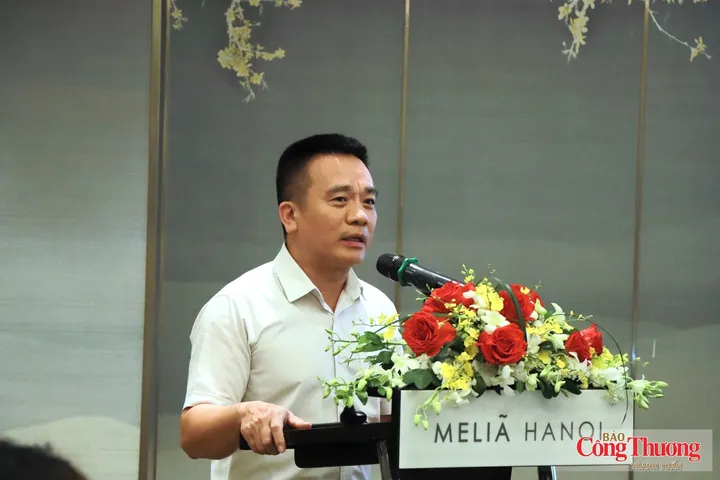
Mr. Tran Viet Nguyen, Deputy Head of the Business Department of Vietnam Electricity.
Regarding their role, the EVN representative explained that ESCOs can provide comprehensive services, ranging from surveys, assessments, and energy audits to proposing solutions, arranging financing, procuring equipment, installation, and turnkey handover to customers. Customers specify their desired energy savings or energy performance targets, while ESCOs develop and implement appropriate solutions.
According to Mr. Nguyen, customers engage ESCOs primarily to improve energy efficiency, comply with policy and regulatory requirements, and reduce costs. Rather than independently researching technologies, selecting solutions, or accessing financing, customers can receive professional support throughout the implementation process.
“Another important benefit is the opportunity to access advanced equipment and technologies. Energy efficiency solutions that deliver long-term benefits are often associated with technological innovation. With their technical expertise, ESCOs can advise customers and select appropriate technologies to improve energy performance,” the EVN representative explained.
Beyond economic benefits, ESCO solutions also contribute to environmental protection, climate change mitigation, and meeting green and sustainable development requirements. The adoption of energy efficiency solutions enables enterprises to demonstrate their environmental responsibility through concrete, measurable actions while enhancing their corporate image and brand reputation.
Mr. Nguyen noted that another factor contributing to the attractiveness of the ESCO model is its ability to reduce implementation risks for customers. Through contractual commitments, ESCOs assume responsibility for technical solutions and energy savings performance, giving customers greater confidence in using their services.
Unlocking Resources
Regarding the potential for ESCO development in Vietnam, the EVN representative noted that the model could be considered for most energy-consuming activities, particularly those involving electricity. Potential applications include street lighting systems, lighting systems in industrial parks, factories and production facilities, rooftop solar power, air conditioning and ventilation systems, and motors used in production processes.
“For rooftop solar power in particular, during the implementation of the new pricing mechanism, EVN’s electricity service companies were already involved in supplying and installing systems for customers. Drawing on this practical experience, individual energy-consuming systems and equipment can be assessed to identify appropriate solutions and service delivery models,” Mr. Nguyen explained.
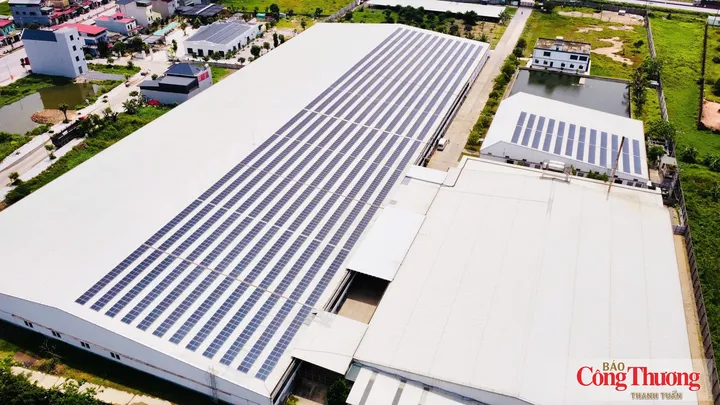
With its broad application potential, the ESCO model is expected to promote energy efficiency, improve electricity use efficiency, and support green growth.
However, according to Mr. Nguyen, challenges remain as Vietnam has yet to establish a unified set of standards for measuring and evaluating energy efficiency programs. Meanwhile, each manufacturing sector, from iron and steel and cement to textiles and garments, has distinct technological and energy consumption characteristics, requiring appropriate assessment methodologies.
In addition to regulatory barriers, Mr. Nguyen emphasized the need to strengthen communication and awareness-raising activities on the ESCO model. During the pilot phase, only a limited number of enterprises participated in the market, resulting in relatively low customer awareness. As the legal framework is gradually strengthened, wider dissemination of information about the model, cooperation arrangements, and specific benefits will help customers gain a better understanding, thereby promoting the development of Vietnam’s ESCO market.
The EVN representative recommended that MOIT continue to prioritize communication activities, while noting that the ability to arrange financing remains a significant constraint. Even for EVN, the availability of capital for project implementation is limited, with investment in pilot projects amounting to slightly over VND 1 billion per project.
For small-scale ESCOs, financial challenges are even greater, particularly when they are required to provide upfront investment capital and assume risks during the investment recovery period. Therefore, according to Mr. Nguyen, the support and participation of banks and financial institutions are essential.
“A distinctive feature of this model is that energy savings can only be measured and verified once the solution becomes operational. At the investment proposal preparation stage, energy savings are merely projected results based on surveys and calculations. This is also one of the factors that make it difficult for enterprises to access credit,” the EVN representative explained.
Against this backdrop, EVN supports the establishment of the VNEEF. According to Mr. Nguyen, the Fund will serve as an important source of support, encouraging the participation of financial institutions while providing enterprises with greater opportunities to access financing for the implementation of energy efficiency solutions.
In light of the aforementioned challenges, Mr. Nguyen recommended that relevant ministries and agencies, particularly the Ministry of Finance and the Ministry of Industry and Trade, continue to develop and issue guidelines that provide a basis for agencies and organizations using state budget funds to implement the ESCO model.
According to Mr. Nguyen, the public sector should take the lead in implementing energy efficiency solutions, creating a wider impact and encouraging participation from individuals and enterprises. There remains considerable energy-saving potential within administrative agencies and public service institutions. Regulatory barriers should therefore be addressed promptly to effectively realize this potential.
Furthermore, Mr. Nguyen emphasized the role of ESCO associations in serving as a bridge between enterprises and government agencies, consolidating recommendations for improving mechanisms and policies, and communicating challenges arising during practical implementation.
“If these issues are addressed, ESCOs will be able to operate more effectively, creating favorable conditions for market expansion and the practical implementation of energy efficiency solutions in the coming years,” the EVN representative expressed.
Expanding the ESCO model is one of the key solutions for promoting energy efficiency, helping enterprises optimize costs, advance technological innovation, and move toward sustainable development.
Original: Hoa Binh - Cong Thuong Newspaper.


More
-
 Expanding the ESCO Model to Promote Energy Efficiency and Conservation
14:05 - 27/11/2026
-
-

-

-
 Viglacera: Energy Efficiency from Factories to Buildings (Part 1)
14:24 - 23/10/2026
-
 Energy Efficiency Becomes a Driver of Improved Production Performance
14:02 - 21/10/2026


EVENTS
-
 27/10/2025
WEBINAR 3 - ESCO Model, A key to promote energy efficiency and conservation
-
06/10/2025
WEBINAR 2 - Financial Support Industrial Enterprises in Energy Efficiency - Opportunities and Challenges
-
22/09/2025
WEBINAR 1 - Scaling Up Energy Efficiency in Vietnam


