


Sunday, 11/10/2026 | 12:34
Case study
Polytex Pioneers Energy Efficiency in the Textile and Dyeing Industry
14:36 - 25/08/2026

During the 2020–2025 period, the average energy intensity of Far Eastern Polytex (Vietnam) Ltd. showed a steady downward trend. In 2024 alone, energy intensity reached 0.167 TOE/ton of product, down 15.9% from 0.199 TOE/ton in 2020.
According to the Vietnam Textile and Apparel Association (VITAS) and the United States Agency for International Development (USAID), Vietnam’s textile and garment industry spends approximately USD 3 billion annually on energy consumption, accounting for around 8% of the industrial sector’s total energy demand and generating approximately 5 million tons of CO₂ emissions. In Vietnam, energy currently accounts for around 8–10% of the industry’s total production costs, and can even reach 20–25% in energy-intensive processes such as dyeing and washing.
Against this backdrop, many textile and garment enterprises have proactively implemented energy-efficiency measures. Far Eastern Polytex (Vietnam) Ltd. (Polytex) is a notable example of an enterprise that has adopted energy-efficiency solutions and achieved tangible results.
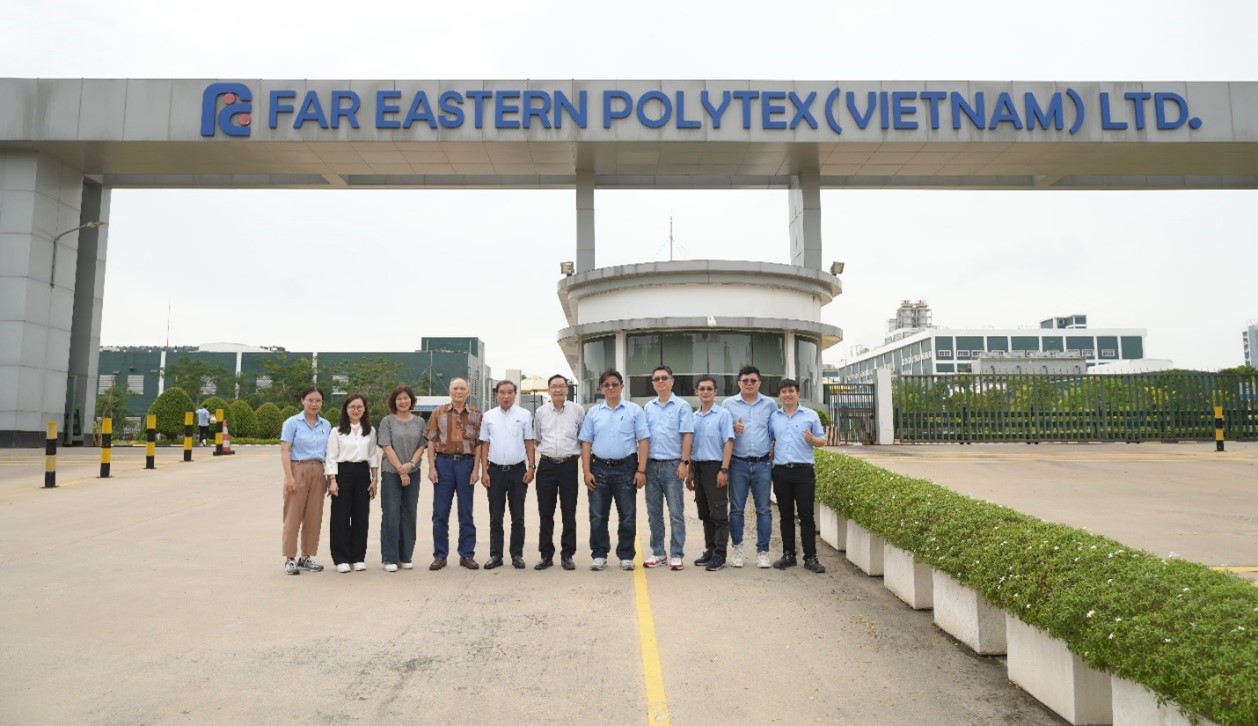
Far Eastern Polytex Vietnam Co. Ltd. at Bau Bang Industrial Park, Ho Chi Minh City.
A member of the Far Eastern Group (Taiwan), Polytex is currently one of Vietnam’s large-scale synthetic fiber manufacturers. Located in Bau Bang Industrial Park, the factory covers approximately 220 hectares and employs more than 2,600 people.
To manufacture high-quality products that meet market demand while becoming more environmentally friendly, conserving resources, and reducing production costs, Polytex has stepped up the implementation of energy-efficiency measures.
Sharing the company’s practical experience, Mr. Hoang Van Tam, Deputy Director of Polytex’s Technical Department, said that as a textile, fiber, and dyeing enterprise using a diverse range of energy sources, including electricity, DO fuel oil, coal, and biomass pellets, Polytex considers energy management not merely a technical issue, but also a matter of corporate management.
Based on this approach, the company has gradually implemented equipment improvement measures to enhance production efficiency. One notable solution is the use of an absorption chiller system, which uses steam generated during production to produce chilled water. This solution has significantly reduced the need to operate electrically driven compressor chillers, thereby lowering electricity consumption for the cooling system and generating economic benefits of approximately VND 7.5 billion per year.
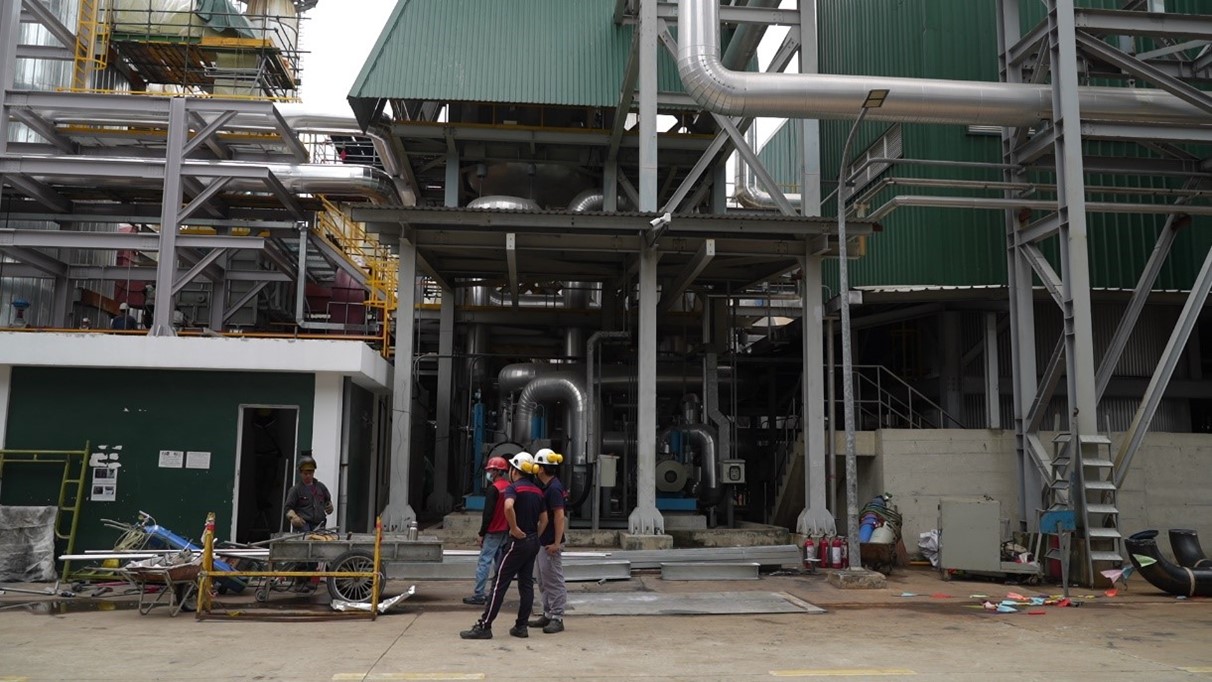
Upgrading and replacing old equipment helps Polytex improve production efficiency and maintain its competitive advantage.
In addition, the company has implemented a range of improvement measures across its operations. At the textile and dyeing workshop, Polytex replaced the motors of the air-supply fans for the evaporative cooling system, as well as motors used in production equipment, with higher-efficiency models, improving energy efficiency. Furthermore, replacing all lighting in the knitting workshop with high-efficiency LED lights has helped Polytex save nearly 96,000 kWh of electricity annually.
For the wastewater treatment system, after determining that the actual wastewater flow was lower than the system’s design capacity, Polytex installed variable frequency drives (VFDs) for the pumps. This allows the flow rate to be adjusted according to actual operating requirements, thereby reducing unnecessary electricity consumption.
Polytex’s improvements in energy efficiency are driven not only by equipment and technology upgrades, but also by the development and operation of an energy management system. To periodically assess energy consumption across different production areas, the company has deployed an integrated PLC and HMI control system, enabling real-time monitoring and adjustment of operating parameters. In addition, adjusting the temperature settings of the system using recycled materials has helped the company save approximately 108,000 kWh of electricity annually, reduce CO₂ emissions by 71 tons, and generate economic benefits of more than VND 207 million per year.
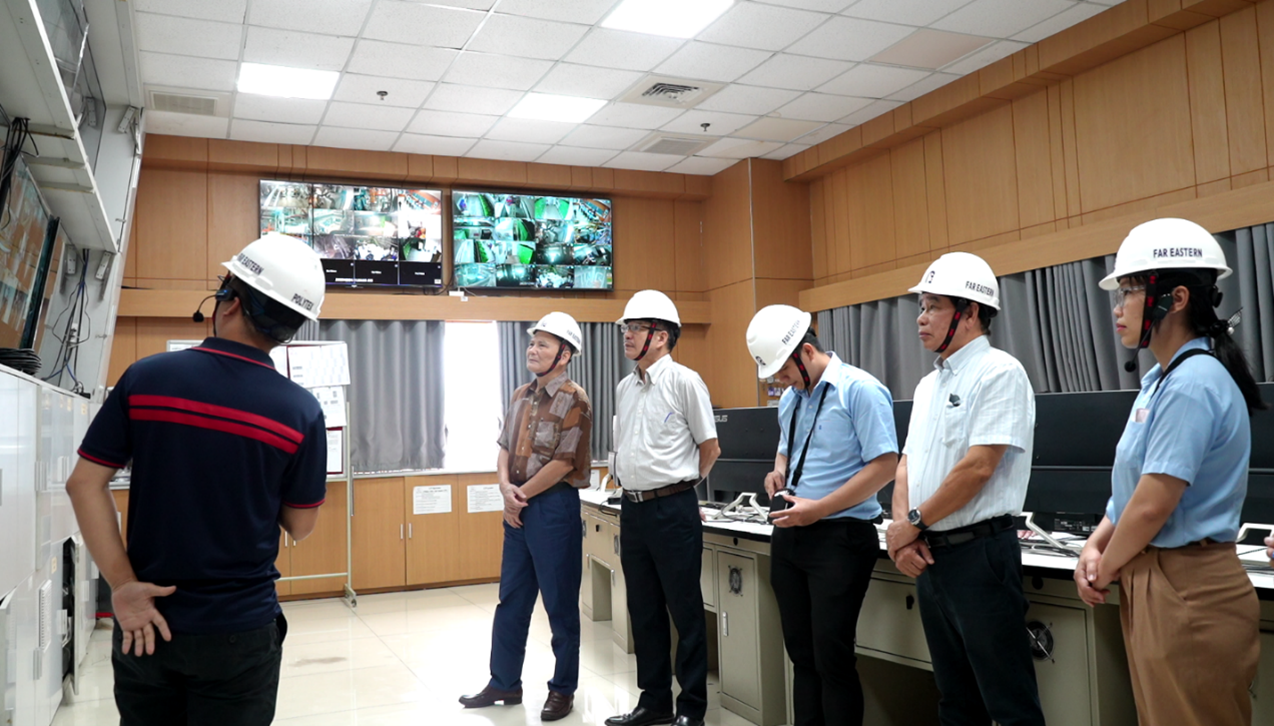
The management system helps optimize energy use and improve energy efficiency.
In addition to electricity, Polytex places particular emphasis on optimizing thermal energy use. By appropriately adjusting the drying temperature during the cotton drying process, the factory has reduced steam consumption by approximately 300–360 tons per month, equivalent to savings of more than 64,000–77,000 kg of coal per year. The installation of a system to collect coal dust generated during operations for reuse as fuel also helps save an average of approximately 700 kg of coal dust per day.
Through the coordinated implementation of these measures, Polytex has achieved significant improvements in energy efficiency. “During the 2020–2024 period, the factory’s average energy intensity declined steadily year by year. In 2024, it reached 0.167 TOE per ton of product, representing a 15.9% reduction compared with 0.199 TOE per ton in 2020. The energy-saving rate also increased from 0.9% in 2020 to 2.4% in 2024,” Mr. Hoang Van Tam emphasized.
As the textile and fiber industry continues to face growing pressures related to costs, energy consumption, and environmental performance, Polytex’s results demonstrate the practical value of energy efficiency in improving production performance and supporting the transition toward sustainable development.


More
-
 Enhancing Production Efficiency Through Energy Optimization
10:38 - 15/09/2026
-
-
 Dong Lam Cement Promotes Energy Efficiency to Enhance Sustainable Production
14:04 - 28/08/2026
-
 Polytex Pioneers Energy Efficiency in the Textile and Dyeing Industry
14:36 - 25/08/2026
-
 VNSTEEL Thang Long Optimizes Energy Use, Moving Toward Green Production
10:16 - 11/08/2026
-
 CPV Food's Journey Toward Energy Efficiency and Environmental Protection
15:17 - 05/08/2026
LATEST NEWS
EVENTS
-
 27/10/2025
WEBINAR 3 - ESCO Model, A key to promote energy efficiency and conservation
-
06/10/2025
WEBINAR 2 - Financial Support Industrial Enterprises in Energy Efficiency - Opportunities and Challenges
-
22/09/2025
WEBINAR 1 - Scaling Up Energy Efficiency in Vietnam


