


Thursday, 15/10/2026 | 01:50
News
Electricity Savings During Peak Demand Season: Responsibilities and Solutions
15:10 - 23/06/2026

On June 22, the Vietnam Government Portal organized a talk show titled “Electricity Savings During Peak Demand Season: Responsibilities and Solutions.”
The event featured Mr. Dang Hai Dung, Deputy Director of the Innovation, Green Transition and Industrial Promotion Agency (IGIP - Ministry of Industry and Trade); Mr. Ngo Son Hai, Deputy General Director of Vietnam Electricity (EVN); Mr. Ha Dang Son, Energy Expert; and Mr. Dang Nguyen Ngu, General Director of Schneider Electric Vietnam and Cambodia.
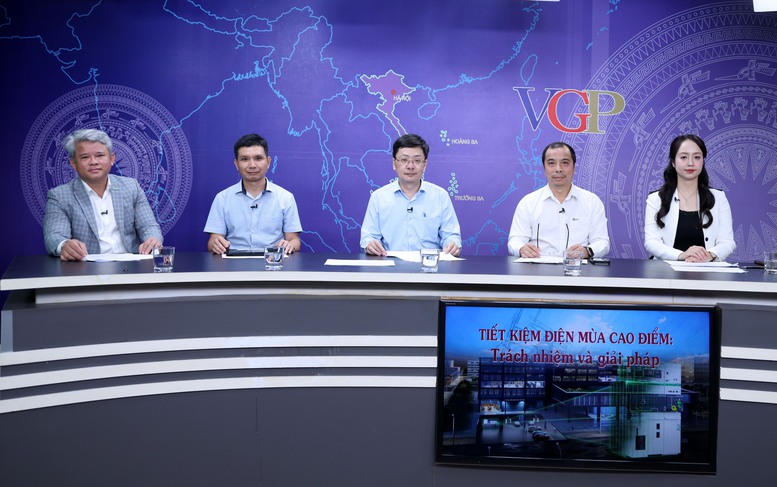
Speakers at the talk show.
Rapid Growth in Electricity Demand
Mr. Dang Hai Dung, Deputy Director of IGIP under the Ministry of Industry and Trade (MOIT), stated that the national power system’s peak demand has recently exceeded 58,000 MW, while daily electricity consumption has surpassed 1 billion kWh on certain days. This level of consumption reflects the robust growth of the economy and the steadily increasing demand for energy.
Energy demand growth is closely linked to economic growth. As Vietnam pursues a target of double-digit economic growth, electricity demand for production, business activities, and daily life is expected to continue rising significantly in the coming years.
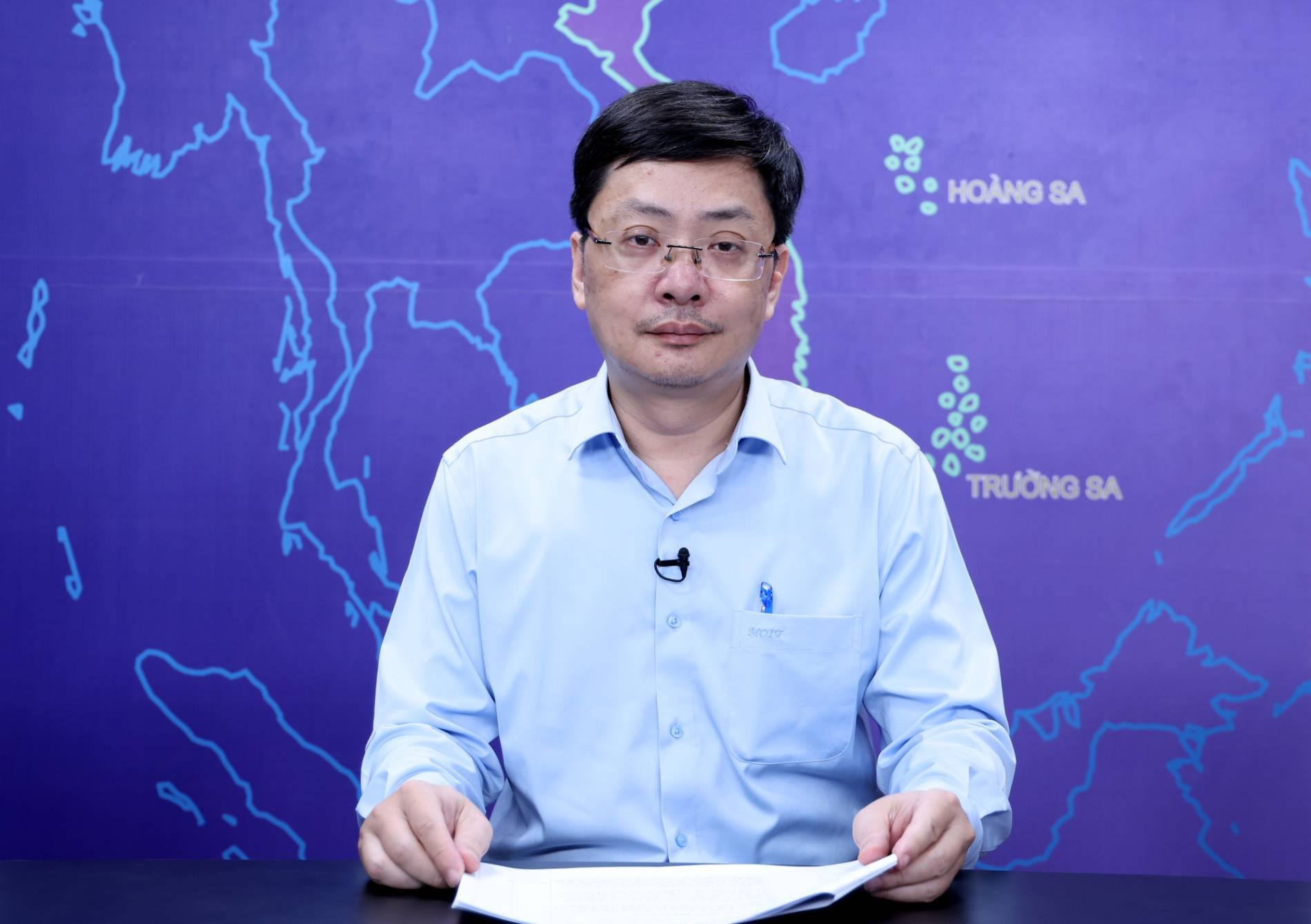
Mr. Dang Hai Dung, Deputy Director of IGIP (MOIT).
However, ensuring an adequate electricity supply faces numerous challenges. Geopolitical uncertainties around the world may directly affect energy supply chains, driving up coal, oil, and gas prices as well as electricity generation costs. New requirements related to carbon emission reduction, green taxes, and mechanisms such as the Carbon Border Adjustment Mechanism (CBAM) in major export markets are also creating pressure to transition toward cleaner energy sources.
In addition, the increasing share of renewable energy in the power mix makes forecasting and operating the power system more complex due to its dependence on weather conditions. Against the backdrop of increasingly unpredictable climate change, maintaining a balance between electricity supply and demand has become even more challenging.
Ensuring Electricity Supply During Peak Demand Periods
Speaking at the discussion, Mr. Ngo Son Hai, Deputy General Director of Vietnam Electricity (EVN), noted that recent fluctuations in the global energy market have directly affected both fuel prices and supply schedules for power generation.
EVN’s power plants currently utilize both domestically produced and imported coal. Liquefied natural gas (LNG) for power generation is supplied through companies within Vietnam’s oil and gas sector. To proactively respond to market fluctuations, EVN instructed its power generation units as early as March 2026 to coordinate with coal and gas suppliers to review and adjust fuel supply plans.
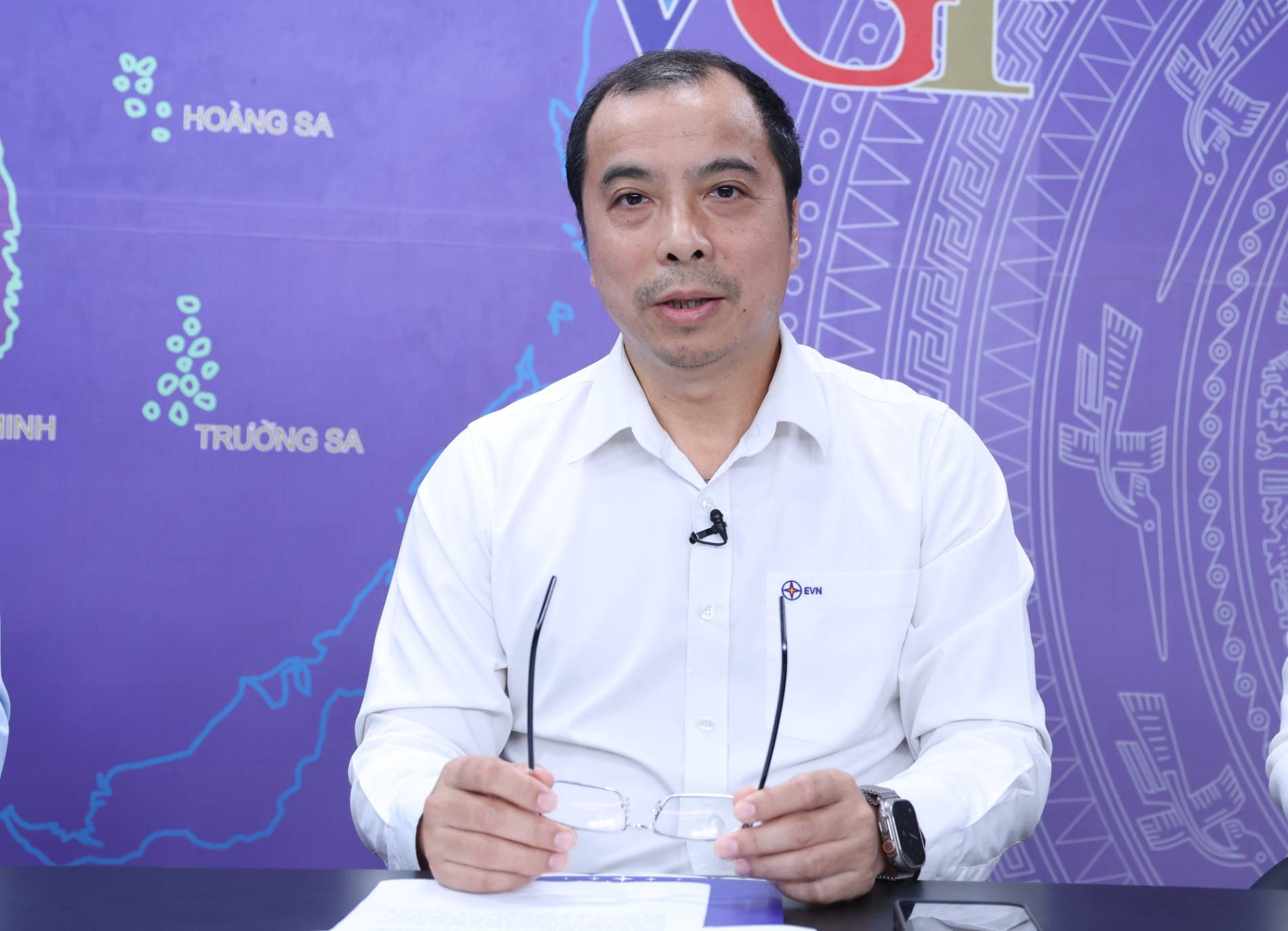
Mr. Ngo Son Hai, Deputy General Director of Vietnam Electricity.
According to Mr. Hai, despite prolonged periods of extreme heat, coal and gas supplies have generally remained sufficient to meet the operational requirements of the power system. However, ensuring electricity supply requires not only adequate fuel but also a high level of availability and reliability from power generating units. Maintenance, repair, and safe operation of power plants are particularly critical during peak demand periods.
Currently, EVN-owned generation assets account for only about 37% of total national generating capacity. Therefore, ensuring a reliable electricity supply requires coordinated efforts from all power generation units across the entire power system.
“With the participation of all stakeholders in the electricity sector, combined with proactive fuel supply management and improved operational readiness of power plants, electricity supply in 2026 will continue to be secured,” Mr. Ngo Son Hai emphasized.
Electricity Conservation as a Key Strategy
According to Mr. Dang Hai Dung, energy efficiency and electricity conservation will continue to be among Vietnam’s key strategic priorities in the years ahead.
From the Law on Energy Efficiency and Conservation enacted in 2010, its amended version adopted in 2025, and Resolution No. 70-NQ/TW of the Politburo, energy efficiency and conservation has been identified as a central element of Vietnam’s economic development strategy and national energy security framework.
The Government requires public agencies and businesses to develop energy management plans, targets, and consumption norms while strengthening monitoring and raising energy efficiency standards and regulations. The Ministry of Industry and Trade is also promoting energy audits, supporting businesses in technology upgrades, developing networks of energy efficiency consultants, and studying the establishment of an Energy Efficiency and Conservation Fund to provide financial support for energy-saving projects.
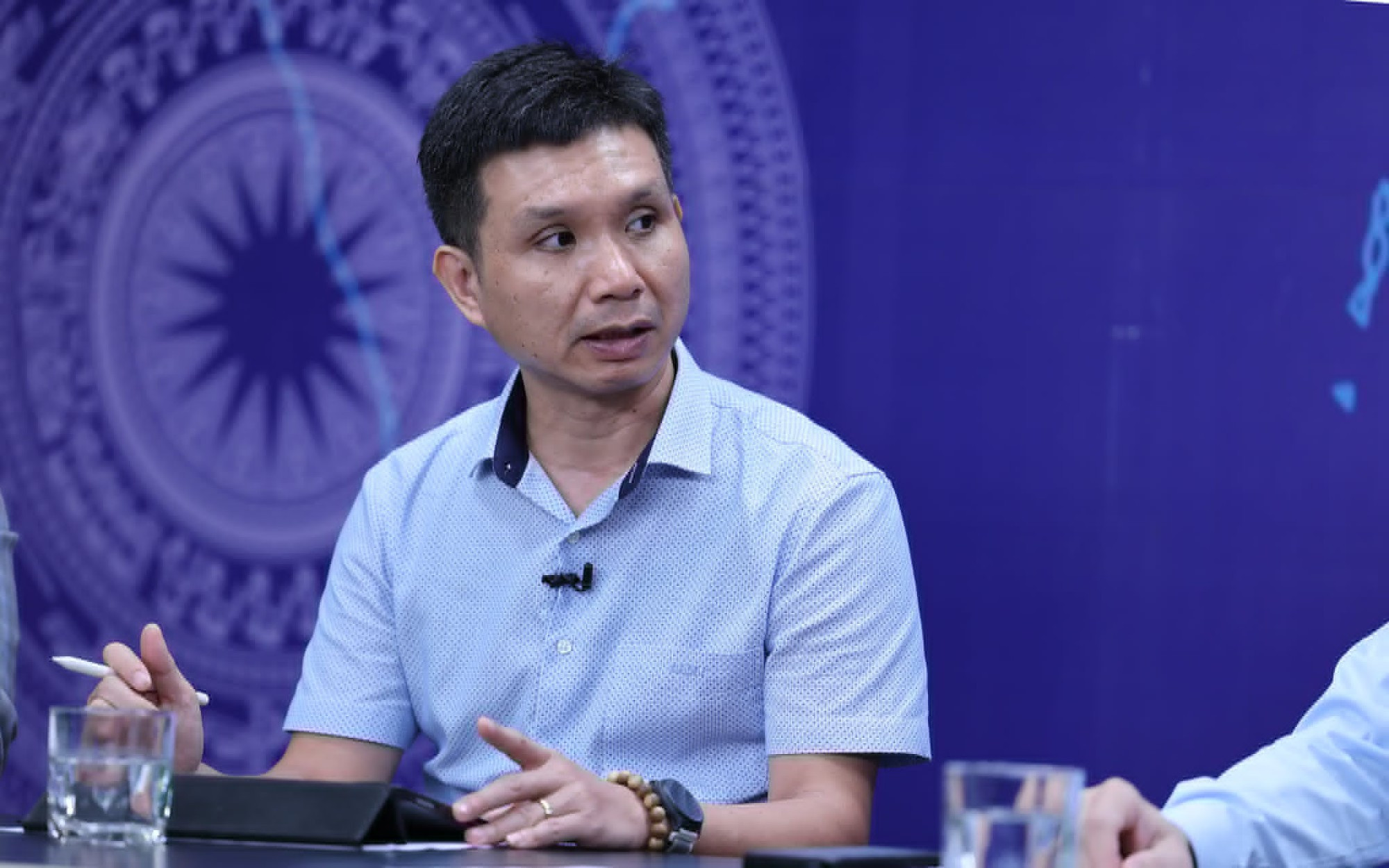
Mr. Ha Dang Son, Energy Expert.
According to Mr. Ha Dang Son, Director of the Center for Energy and Green Growth Research, awareness of electricity conservation among businesses has improved significantly after more than 15 years of implementing the Law on Energy Efficiency and Conservation. For enterprises, electricity savings are not only a social responsibility but are also directly linked to production costs, profitability, and competitiveness.
However, among residential consumers, who account for approximately 30% of the country’s electricity consumption, awareness of efficient electricity use remains limited. Many people still believe that as long as they can afford to pay, they have the right to use electricity freely, without fully understanding the broader impacts of wasteful consumption on system operating costs and infrastructure investment.
Additional barriers include a preference for low-cost appliances over energy-efficient ones, limited incentives for demand-side management, and a lack of regular monitoring of electricity consumption.
“You cannot manage what you do not measure. To save electricity effectively, you must first monitor, assess, and control your own consumption,” Mr. Ha Dang Son stressed.
From the power sector’s perspective, Mr. Ngo Son Hai stated that electricity conservation not only reduces costs for households and businesses but also enhances energy security, reduces the need for investment in new generation capacity, and lowers overall system operating costs. According to Mr. Hai, saving just 2% of electricity demand is equivalent to avoiding the need to invest in approximately 1,000 MW of new power generation capacity.
To improve electricity efficiency, EVN recommends that consumers: Set air-conditioners at around 26°C; Maintain equipment regularly; Prioritize energy-efficient products; and Avoid operating multiple high-power appliances simultaneously during peak hours. For enterprises, investments in modern technology, energy management systems, and participation in demand response programs can deliver significant long-term economic benefits.
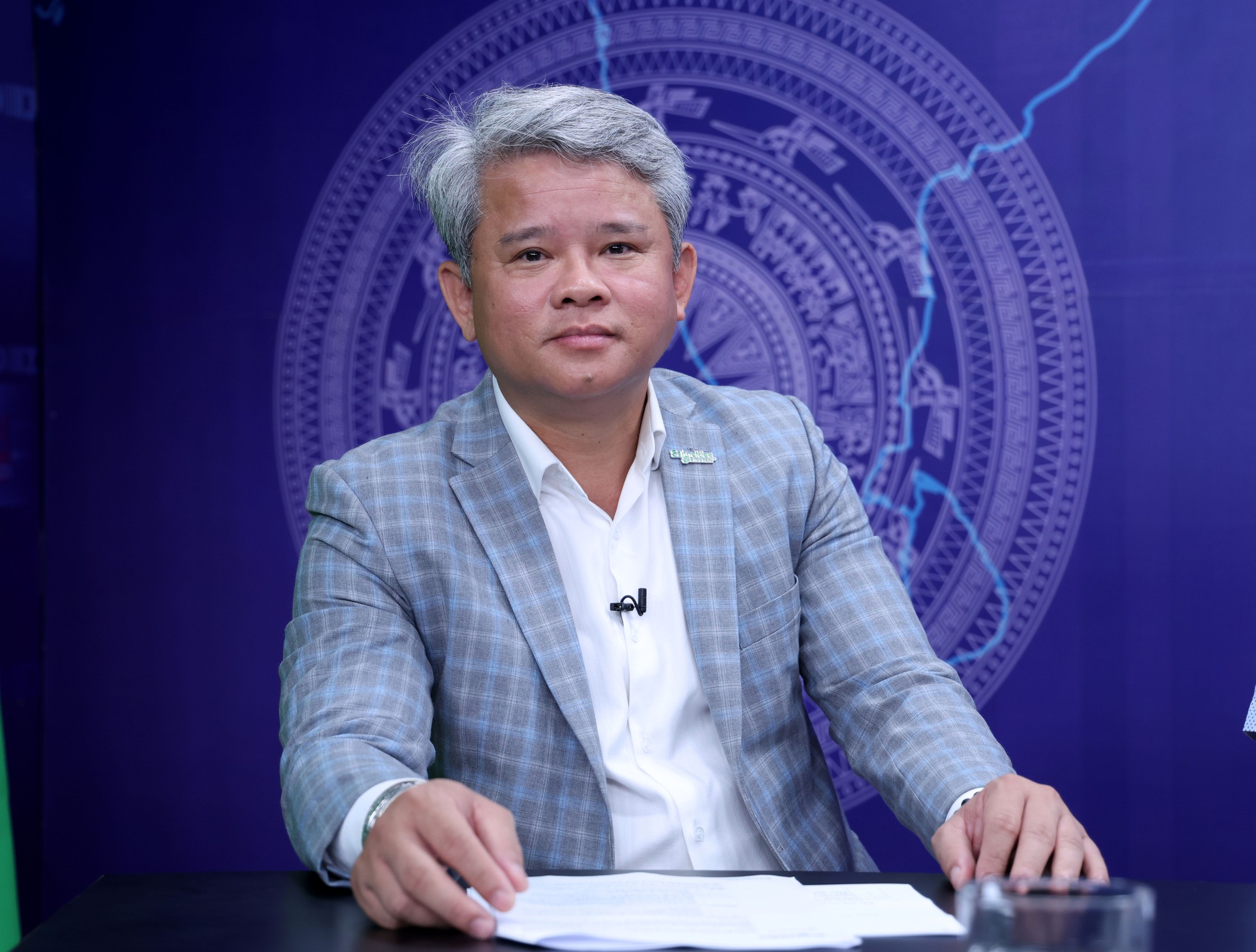
Mr. Dang Nguyen Ngu, Country President of Schneider Electric Vietnam and Cambodia.
According to Mr. Dang Nguyen Ngu, Country President of Schneider Electric Vietnam and Cambodia, electricity saving does not mean mechanically reducing or stopping electricity use.
The goal is not to limit production activities or lower quality of life, but rather to optimize electricity use so that greater value can be generated with lower consumption. Energy efficiency should therefore be implemented at all levels—from households and buildings to enterprises and the national economy.
Mr. Ngu also emphasized the need to change the traditional perception of energy-efficiency investments. “Energy efficiency is no longer a cost; it is an investment,” he stated.
Improve energy efficiency through digital technology and AI.
According to Mr. Dang Nguyen Ngu, in recent years, the Government, the Ministry of Industry and Trade, and the Vietnam Electricity Group (EVN) have implemented many comprehensive solutions to raise awareness and change the energy usage behavior of businesses and people.
As a result, energy-saving activities in general and electricity saving in particular have seen many positive changes. However, there are still some misconceptions that need to be changed. When mentioning saving, many people immediately think of reducing or eliminating consumption. But we cannot stop production or economic activities. Therefore, saving electricity does not mean mechanically cutting consumption. The core issue is how to save energy and improve operational efficiency. This requires optimizing electricity use at all levels, from households, buildings, factories, to the entire economy.
According to Schneider Electric, the rapid advancement of digital technologies and artificial intelligence (AI) is creating a major transformation in energy management. Whereas new technologies previously required decades to move from concept to practical application, today that process may take only years or even months.
Smart Homes, Smart Buildings, Smart Factories, and Smart Grids are being deployed on an increasingly large scale. AI enables real-time monitoring, analysis, and optimization of energy consumption, improving efficiency while reducing electricity use. Once systems are digitized, peak loads can be managed and adjusted in real time, creating significant opportunities for improving electricity efficiency.
Schneider Electric’s leadership noted that Vietnam has already established a National Strategy on Energy Efficiency and Conservation. The current challenge is translating that strategy into concrete action programs for each industry, enterprise, and locality.
“From the perspective of an FDI company operating in the energy technology sector, Schneider Electric views energy management and electricity conservation not merely as cost-reduction measures but as core competitive capabilities and an integral part of the green transition,” emphasized the Country President of Schneider Electric Vietnam and Cambodia.
At the discussion, Schneider Electric reaffirmed its commitment to working alongside the Government, the Ministry of Industry and Trade, and EVN to promote energy-efficient electricity use.
As climate change becomes increasingly complex, electricity demand continues to rise, and the need for strong economic growth remains pressing, energy security is no longer solely about developing additional clean energy sources—it is also about using electricity more efficiently.
Every kilowatt-hour used efficiently today contributes to strengthening energy security, enhancing the competitiveness of the economy, and advancing Vietnam’s goal of green and sustainable development.


More
-
-

-
 Energy Efficiency and Conservation in the Chemical Industry
15:34 - 21/09/2026
-
 Enhancing Production Efficiency Through Energy Optimization
10:38 - 15/09/2026
-
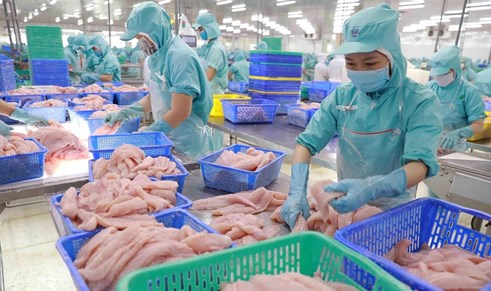
 Improving Energy Efficiency in Seafood Processing Industrial Sector
14:25 - 09/09/2026
-
LATEST NEWS
EVENTS
-
 27/10/2025
WEBINAR 3 - ESCO Model, A key to promote energy efficiency and conservation
-
06/10/2025
WEBINAR 2 - Financial Support Industrial Enterprises in Energy Efficiency - Opportunities and Challenges
-
22/09/2025
WEBINAR 1 - Scaling Up Energy Efficiency in Vietnam


