Energy Efficiency and Conservation Requires the Participation of the Entire Society
The event was held in both in-person and online formats, livestreamed through the digital platforms of Hanoi Television, Newspaper, and Radio, as well as the communication channels of the Vietnam National Energy Efficiency Programme and Vietnam Electricity (EVN).
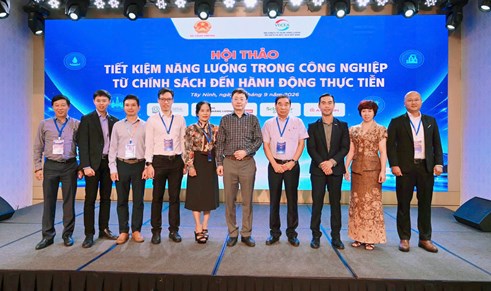
The forum featured the participation of: Mr. Hoang Viet Dzung – Deputy Head of the Energy Efficiency and Green Transition Division, the Innovation, Green Transition, and Industrial Promotion Agency (IGIP); Mr. Nguyen Dinh Hiep – Chairman of the Vietnam Energy Conservation and Energy Efficiency Association (VECEA); Mr. Nguyen Anh Tuan – Standing Vice Chairman and Secretary General of the Vietnam Energy Association; Mr. Pham Viet Thach – Deputy Head of the Environment and Sustainable Development Department, Vietnam Electricity (EVN); Mr. Dao Quang The – Head of Administration Department, MBT Electrical Equipment Joint Stock Company.
Speakers participating in the forum.
Dual Pressure from Climate Change and Growing Demand
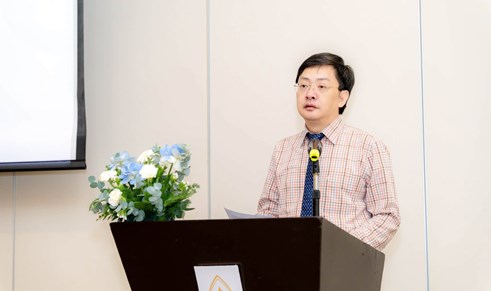
Speaking at the forum, Mr. Hoang Viet Dzung, Deputy Head of the Energy Efficiency and Green Transition Division under IGIP-MOIT, stated: Climate change is no longer merely an environmental issue; it has become one of the major challenges to energy security for many countries, including Vietnam. Extreme weather phenomena such as El Niño, prolonged droughts, storms, abnormal flooding, and sea-level rise are increasingly affecting all three pillars of energy security: the ability to ensure energy supply, the sustainability of the energy system, and energy costs for the economy.
First, climate change directly impacts the nation’s energy infrastructure. Events such as major storms, flash floods, landslides, inundation, and saltwater intrusion can damage power plants, transmission lines, substations, fuel storage facilities, and energy logistics systems. When critical links in the energy supply chain are disrupted, energy security risks may extend beyond local areas and affect the entire economy.
For the power sector, the increasing frequency and intensity of extreme weather events make power system operation more complex, requiring higher reserve capacity and generating additional costs for the system. El Niño conditions often bring severe heatwaves, prolonged droughts, and significantly reduced rainfall. This leads to lower water levels in major hydropower reservoirs—particularly in northern and central Vietnam—and substantially reduces the generation capacity of hydropower plants, placing additional pressure on the transmission network and other power generation sources.
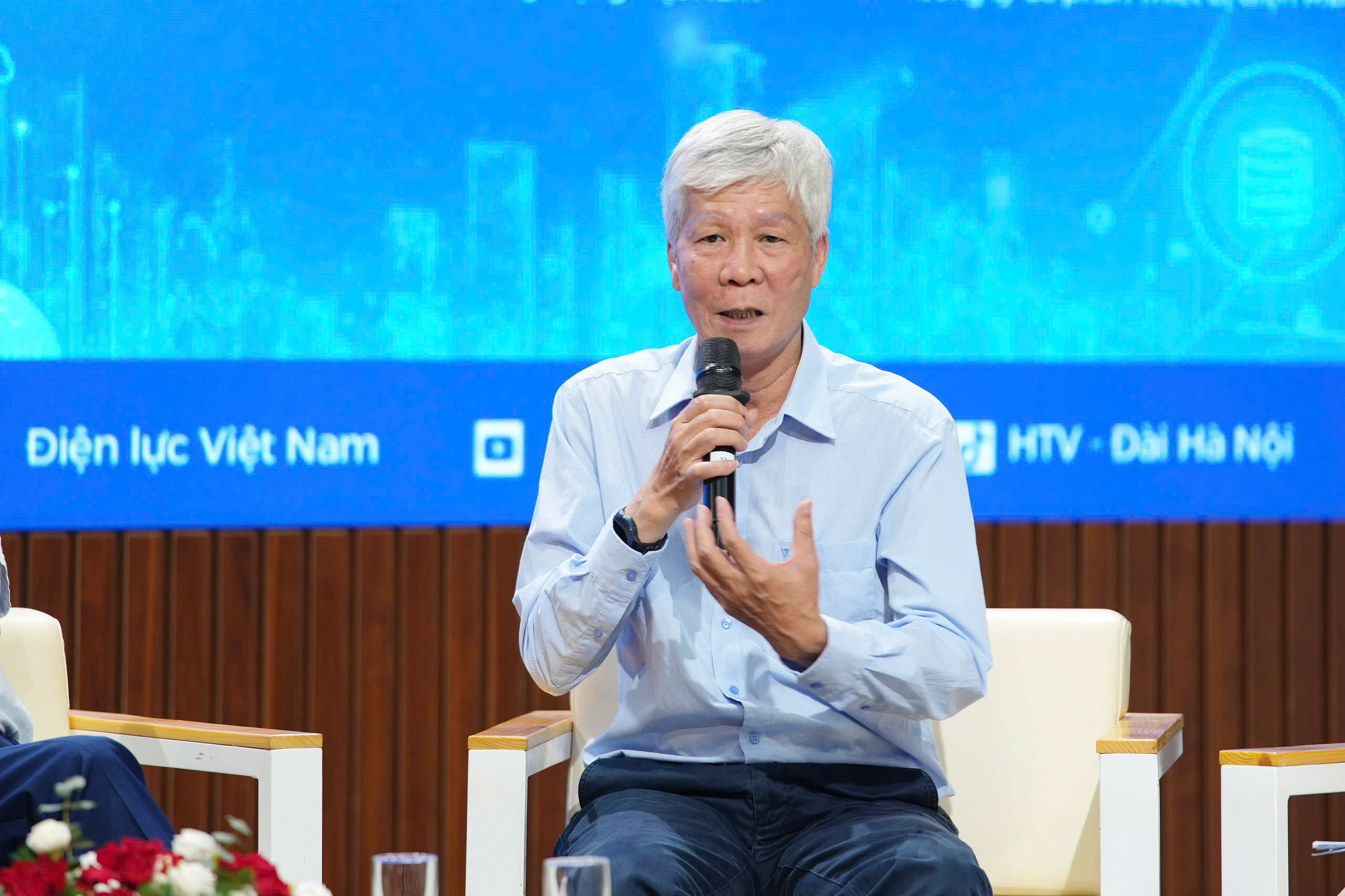
“It can be said that climate change is simultaneously increasing supply risks, infrastructure risks, and energy cost risks,” emphasized Mr. Hoang Viet Dzung, Deputy Head of the Energy Efficiency and Green Transition Division under IGIP-MOIT.
Mr. Hoang Viet Dzung – Deputy Head of the Energy Efficiency and Green Transition Division, IGIP-MOIT.
Representing Vietnam Electricity (EVN), Mr. Pham Viet Thach, Deputy Head of the Environment and Sustainable Development Department, stated that the national power system has continuously set new records for peak electricity demand. On May 27, 2026, the system’s peak load reached 57,189 MW, an increase of 5% compared to the 2025 peak. In Northern Vietnam alone, peak demand reached nearly 29,900 MW, up more than 27% compared to the same period last year. The sharp increase in electricity demand over a short period has placed greater operational pressure on power generation units and the transmission network, requiring equipment to operate continuously at high capacity.
Mr. Nguyen Anh Tuan, Standing Vice Chairman and Secretary General of the Vietnam Energy Association, also emphasized that to achieve a GDP growth target of over 6%, electricity demand must increase by approximately 11–12%.
According to current plans, one generating unit of the Quang Trach Thermal Power Plant is expected to begin operation by July, with a second unit scheduled to come online by the end of the year. As a result, the total additional generation capacity introduced in 2026 will be only about 1,400 MW. Meanwhile, to meet growing demand and ensure safe system operation, Vietnam’s power system needs to add approximately 6,000–7,000 MW of new capacity every year.
Energy Efficiency and Conservation as a Key Solution
Amid increasing pressure on the balance between electricity supply and demand, Mr. Hoang Viet Dzung stressed that energy conservation is considered the “first energy source” because it is a low-cost solution that delivers rapid results while generating economic, environmental, and social benefits simultaneously.
“Energy efficiency and conservation does not mean mechanically reducing consumption; rather, it means using energy more intelligently and efficiently. It is a sustainable solution that enables Vietnam to pursue economic growth while ensuring energy security in the context of increasingly severe climate change,” Mr. Dzung affirmed.
Sharing the same view, Mr. Nguyen Dinh Hiep, Chairman of VECEA, explained that achieving an effect equivalent to 1 MW of power capacity through energy savings requires only about one-quarter of the investment cost needed to build 1 MW of new power generation capacity.
Vietnam still possesses substantial untapped energy-saving potential. The industrial sector, which accounts for more than 50% of the country’s total energy consumption, could reduce energy use by 10–20% if technological and management solutions were implemented comprehensively.
In addition, the building sector is also considered to have enormous energy-saving potential. Hotels, office buildings, shopping centers, railway stations, airports, and many other public facilities can significantly reduce electricity consumption through improved architectural design, optimized air-conditioning and lighting systems, better operational management, and the adoption of high-efficiency equipment. According to numerous studies, the electricity-saving potential in this group of buildings alone could reach approximately 35–40%.
Mr. Nguyen Dinh Hiep, Chairman of the Vietnam Energy Conservation and Energy Efficiency Association.
Mr. Pham Viet Thach pointed out that electricity conservation not only reduces costs for consumers and businesses but also generates long-term benefits for society by improving resource efficiency, reducing fossil fuel consumption, and supporting sustainable development and greenhouse gas emission reduction goals.
From a power system operation perspective, electricity conservation and demand-side management play a particularly important role. Even modest changes in electricity consumption behavior by a portion of customers—especially during peak hours or prolonged heatwaves—combined with business participation in demand response programs, can significantly ease pressure on the national power system.
Mr. Pham Viet Thach – Deputy Head of the Environment and Sustainable Development Department
Improving Policies to Promote Energy Efficiency and Conservation
Mr. Hoang Viet Dzung noted that Vietnam has established a relatively comprehensive legal and policy framework for energy efficiency and conservation. The key legal foundation is the Law on Energy Efficiency and Conservation, promulgated by the National Assembly in 2010, along with the amended law passed on June 8, 2025. These legal instruments provide a favorable framework for promoting energy efficiency activities across society.
Based on this foundation, the Government and ministries have issued numerous decrees and circulars to guide implementation. In addition, Vietnam has launched the Vietnam National Energy Efficiency Programme for the 2019–2030 period (VNEEP3), which aims to promote energy-saving solutions in industry, construction, transportation, and residential sectors, targeting savings of 8–10% of total national energy consumption by 2030.
Notably, in March 2026 alone, the Prime Minister issued two directives—Directive No. 09/CT-TTg and Directive No. 10/CT-TTg—to further strengthen energy efficiency efforts amid rising energy demand and increasingly urgent green transition requirements.
“From the Law and national programs to the Prime Minister’s directives, all clearly demonstrate a consistent viewpoint: energy efficiency and conservation is not merely a technical solution but a crucial pillar of national energy security,” Mr. Dzung emphasized.
According to Mr. Nguyen Dinh Hiep, Vietnam has steadily improved its legal framework for energy efficiency, from legislation to implementation guidelines. Through successive phases of VNEEP, Vietnam has largely achieved its targets, reflecting highly positive results.
Public and business awareness has also improved significantly. Consumers increasingly prioritize energy-labeled products, while many businesses have become more focused on energy management, technological innovation, and improving energy performance.
Nevertheless, Vietnam’s energy-saving potential remains substantial, particularly among designated key energy users and within the manufacturing sector. Therefore, energy conservation should be regarded as a long-term strategy to be implemented continuously, not only during hot weather periods or times when the power system faces pressure.
Looking ahead, further efforts are needed to improve policies, support businesses in adopting modern technologies, strengthen law enforcement and monitoring, and enhance the role of local authorities. At the same time, changes in energy-use behavior among businesses and citizens, together with proactive adoption of energy-saving measures, will play a vital role in ensuring energy security and sustainable development.
Mr. Nguyen Anh Tuan, Standing Vice Chairman and Secretary General of the Vietnam Energy Association.
Mr. Nguyen Anh Tuan also highly appreciated the Ministry of Industry and Trade’s efforts in promoting energy efficiency in recent years. These efforts include strengthening the legal framework, organizing training programs, communication campaigns, and implementation guidance, and coordinating with EVN, energy corporations, and local authorities to translate policies into practice, thereby improving energy efficiency nationwide.
However, he suggested that communication activities should be expanded further through television, newspapers, and digital platforms so that energy-efficient behavior becomes a routine habit for both citizens and businesses.
He also called for the early development of support mechanisms such as the Energy Service Company (ESCO) market and the establishment of a Vietnam Energy Efficiency Fund. These mechanisms would provide important incentives to mobilize social resources, support technological upgrades, and accelerate the adoption of energy-saving solutions on a sustainable basis.
“With close cooperation among government agencies, businesses, and society as a whole, energy efficiency and conservation will increasingly become a practical reality, contributing to energy security and promoting green, sustainable economic development,” Mr. Tuan expressed confidently.
Joint Efforts from Businesses and Communities
At the forum, Mr. Dao Quang The, Head of Administration of MBT Electrical Equipment Joint Stock Company, shared that the company has implemented numerous energy-saving and energy-efficiency measures in its manufacturing operations, achieving highly positive results.
The company invested in a rooftop solar power system, which has been in operation since 2021. Solar power has enabled the company to become more self-sufficient in energy supply and reduce dependence on the national grid, particularly during peak midday hours.
The company has also actively adopted high-efficiency technologies and equipment. For example, it uses power electronic devices combined with variable frequency drives (VFDs) to reduce motor starting currents, optimize operations, and improve electricity utilization efficiency.
In terms of energy management, MBT closely monitors electricity consumption across departments, switches off unnecessary equipment, gradually replaces conventional lighting with energy-efficient LED lamps, and performs regular maintenance on machinery and equipment to ensure optimal performance and reduce power losses.
In addition to technical measures, the company actively promotes employee awareness of energy conservation and has gradually fostered an energy-saving culture throughout the organization.
Mr. Dao Quang The, Head of Administration, MBT Electrical Equipment Joint Stock Company.
According to Mr. Pham Viet Thach, public and business awareness regarding electricity conservation has improved considerably in recent years. Many businesses have invested in technology upgrades, implemented energy management systems, and participated in demand response programs, while households increasingly pay attention to high-efficiency appliances and electricity consumption monitoring.
EVN remains committed to working closely with government agencies, businesses, and consumers to promote efficient electricity use through communication campaigns, customer support initiatives, and the development of responsible energy-use habits for the benefit of both individuals and society.
“When each household and each business makes even a small change in electricity consumption behavior, the combined impact can be tremendous, helping ensure reliable electricity supply and strengthening national energy security,” Mr. Thach emphasized.
Experts at the forum agreed that energy conservation should be practiced consistently and over the long term, rather than only during heatwaves or periods of stress on the power system. Alongside improved policies, support for technological innovation, and stronger communication efforts, changing the energy-use habits of every individual will be a decisive factor.
The forum concluded that energy efficiency and conservation not only reduce costs and alleviate pressure on the power system but also contribute significantly to ensuring national energy security, addressing climate change, and achieving Vietnam’s goals of green and sustainable development.











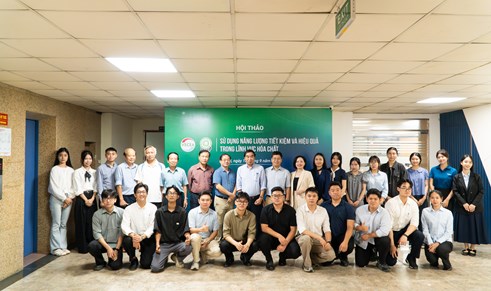
 Energy Efficiency and Conservation in the Chemical Industry
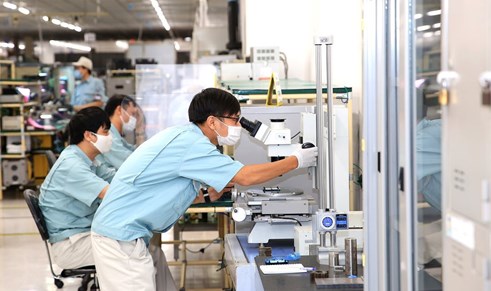
 Enhancing Production Efficiency Through Energy Optimization
 Improving Energy Efficiency in Seafood Processing Industrial Sector

 27/10/2025


