Ministry of Industry and Trade Consults on the Vietnam Energy Efficiency Fund in Hanoi
Thứ ba, 20/10/2026 - 15:23
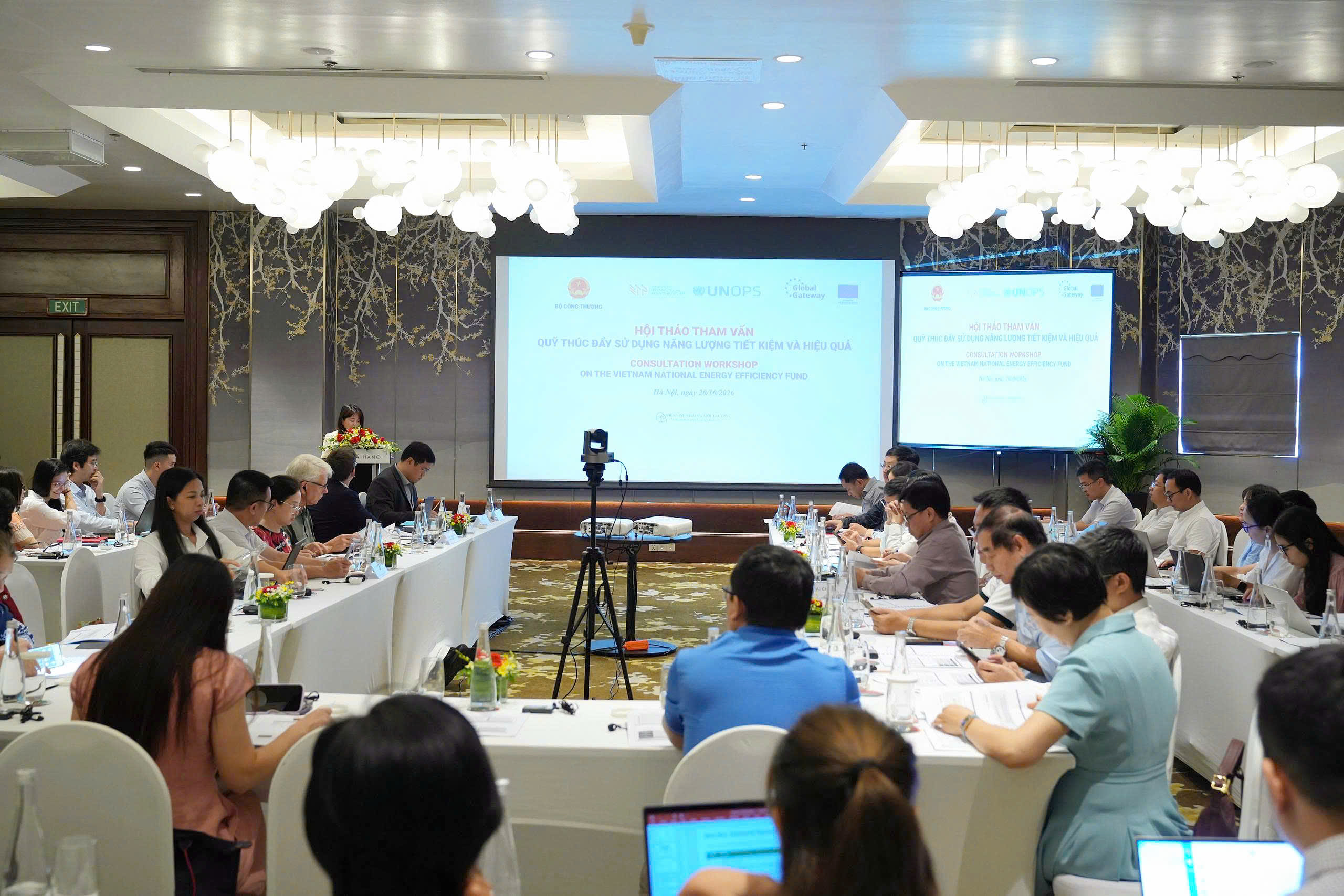
On October 20, 2026, in Hanoi, the Department of Energy and Petroleum under the Ministry of Industry and Trade (MOIT) organized the “Consultation Workshop on the Vietnam Energy Efficiency Fund.”
The workshop was attended by representatives from ministries, sectors, local authorities, development partners, financial institutions, banks, and the business community.
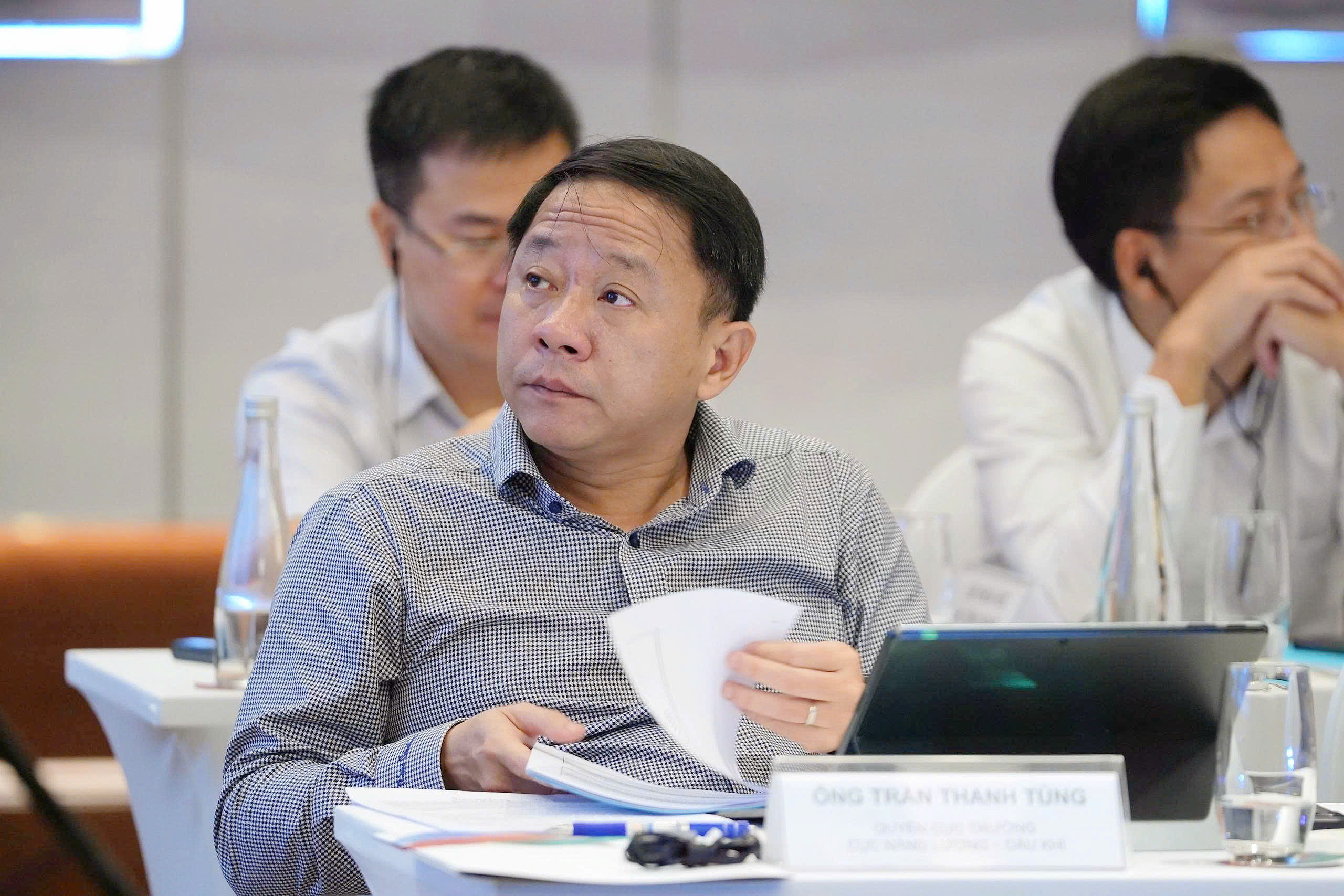
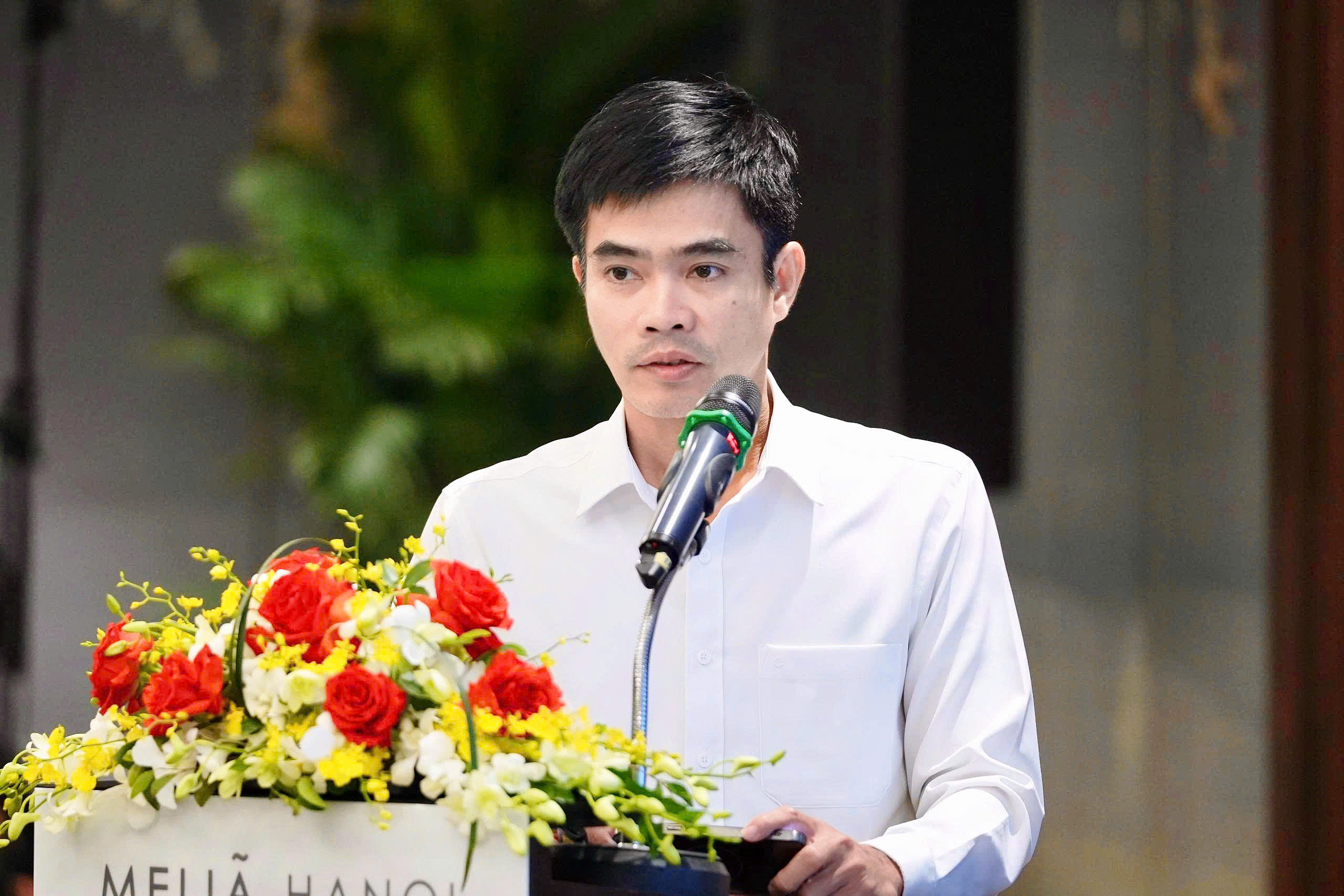
Mr. Tran Thanh Tung, Acting Director of the Energy and Petroleum Department under the Ministry of Industry and Trade (MOIT), attends the workshop.
Speaking at the workshop, Mr. Dang Hai Dung, Deputy Director of the Energy and Petroleum Department (MOIT), noted that as energy demand for economic development continues to increase and global energy markets experience significant fluctuations, energy efficiency and conservation are becoming increasingly important for both the country and individual enterprises. Improving energy efficiency helps reduce pressure on energy supply, lower production and business costs, reduce emissions, and enhance the competitiveness of the economy.
Law No. 77/2025/QH15 amending and supplementing a number of articles of the Law on Using Energy Efficiency and Conservation, together with Government Decree No. 30/2026/ND-CP, has introduced provisions on the Energy Efficiency Promotion Fund, establishing a legal basis for developing a financial support mechanism for this sector.
The Vietnam Energy Efficiency Fund (the Fund) is proposed as a means of helping address these barriers. Envisaged as an off-budget state financial fund operating on a non-profit basis, the Fund is expected to connect domestic and international resources as well as private and other non-state resources, combining financial support with technical assistance to provide enterprises with greater opportunities to access preferential financing for effective energy efficiency measures.
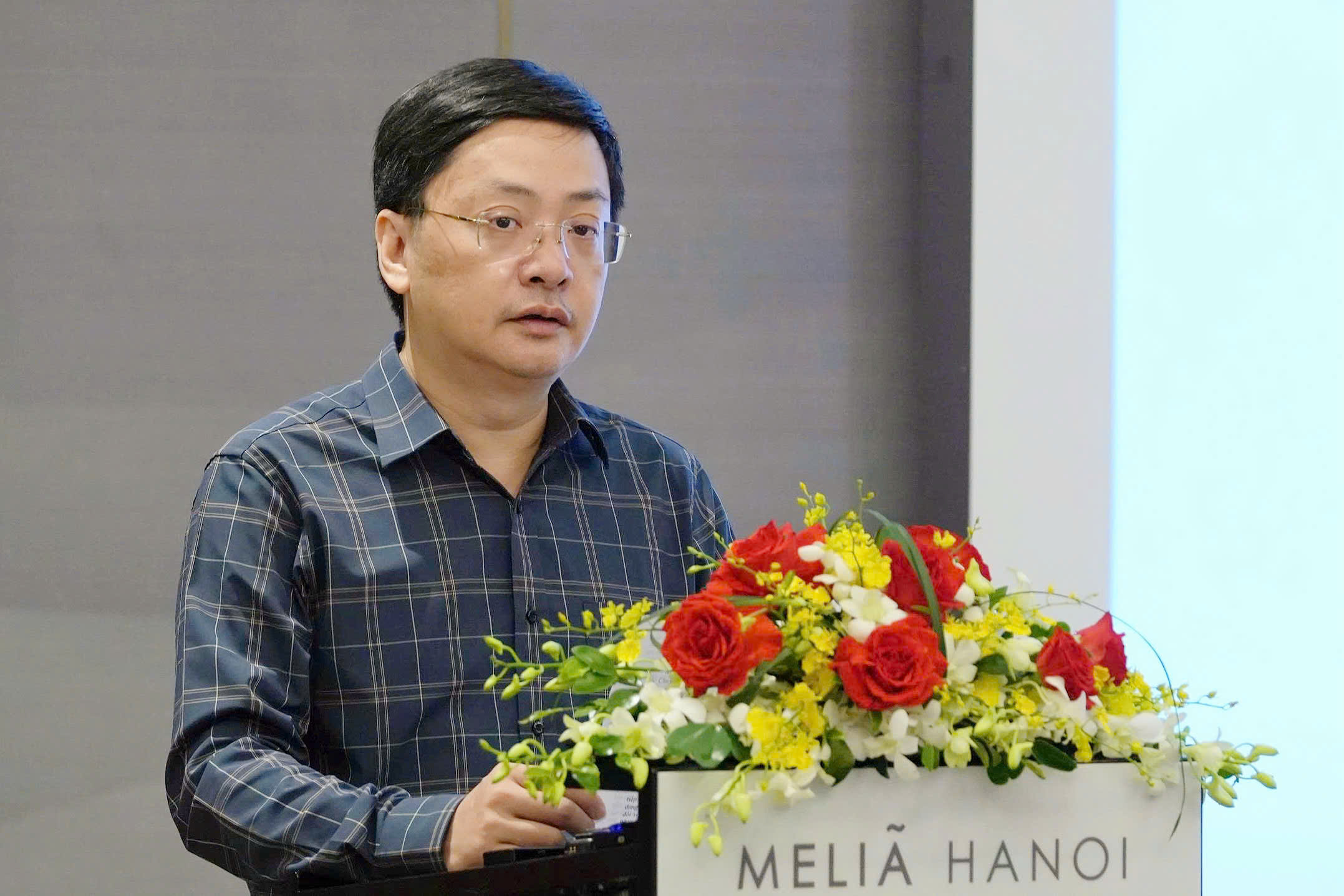
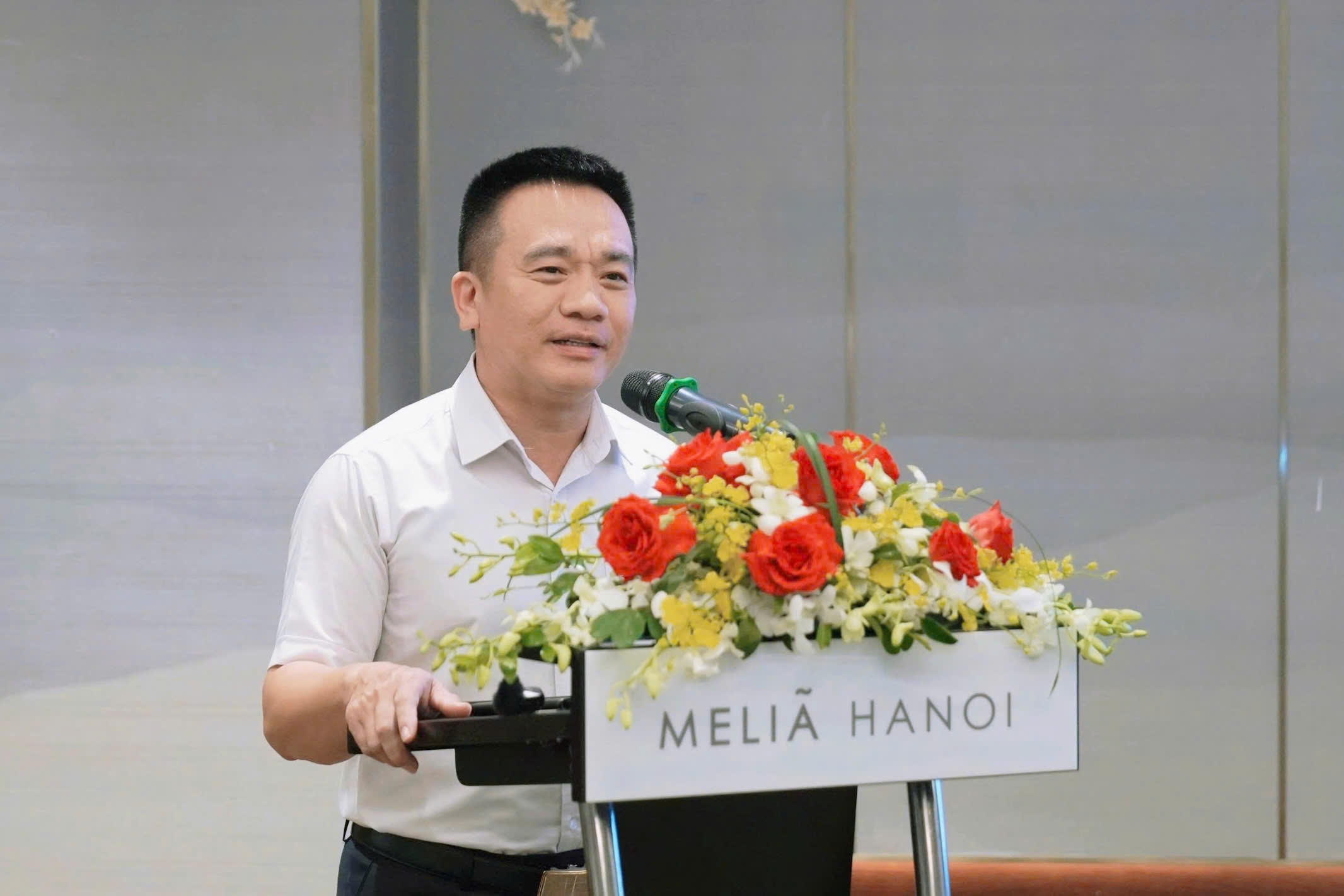
Mr. Dang Hai Dung, Deputy Director of the Energy and Petroleum Department (MOIT), delivers the opening remarks at the consultation workshop.
“Through this consultation workshop, I hope delegates will openly exchange views on the Fund’s organizational model, operational mechanisms, and capacity to mobilize resources. The forms of support should be aligned with enterprises’ needs and integrate technical assistance, project preparation, and access to finance.
The Ministry of Industry and Trade highly values and will carefully consider the comments and recommendations received as it continues to finalize the dossier for establishing the Fund before submitting it to the Prime Minister for consideration and decision. The Ministry also looks forward to continued coordination with ministries, sectors, local authorities, development partners, financial institutions, and the business community throughout the establishment and operation of the Fund,” Mr. Dang Hai Dung emphasized.
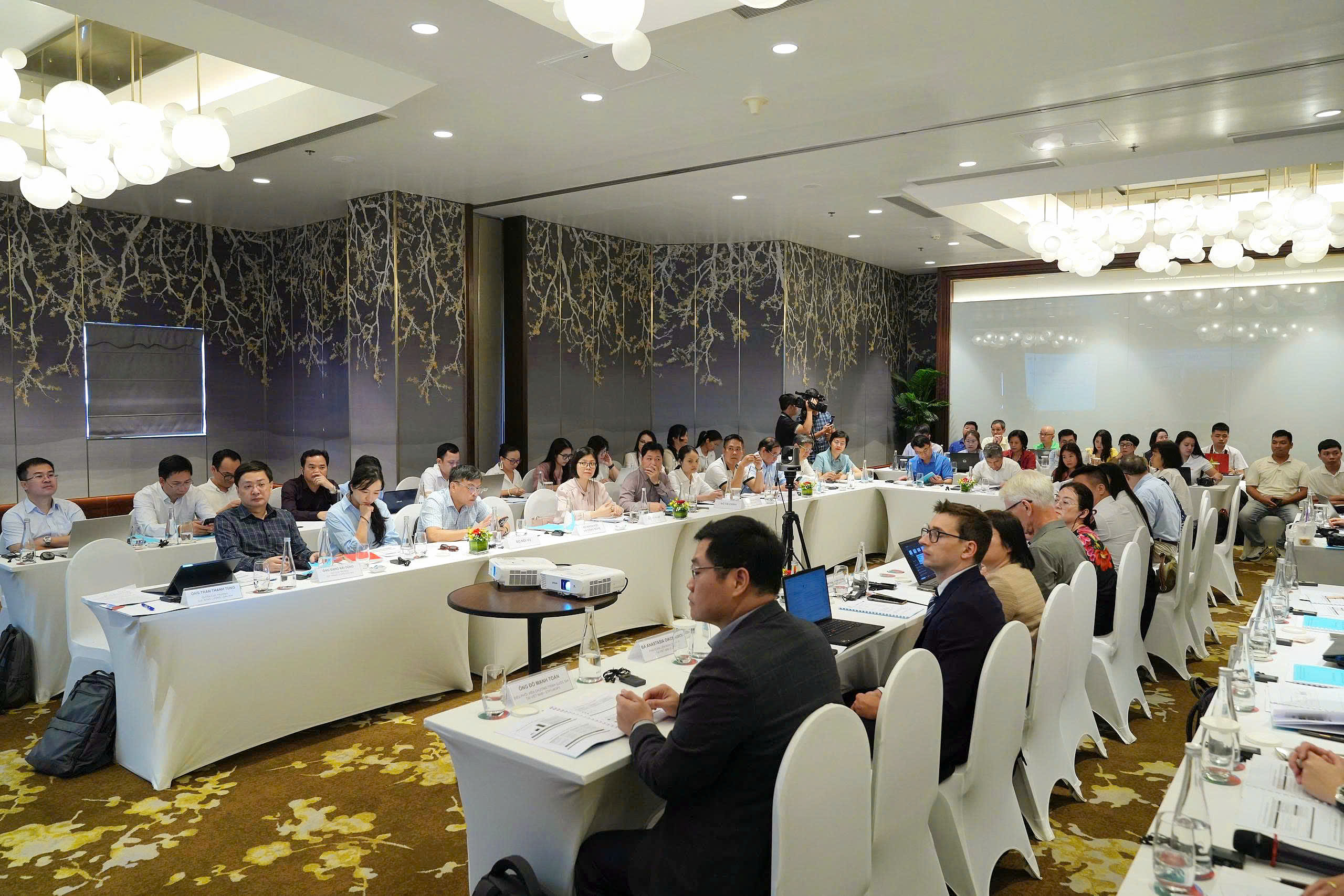
At the workshop, delegates exchange views and discuss issues related to the Vietnam Energy Efficiency Fund.
Speaking online at the workshop, Mr. John Robert Cotton, Director of the Southeast Asia Energy Transition Partnership (ETP), emphasized the importance of developing a feasible Fund model that responds to practical needs and helps unlock investment capital for energy efficiency projects.
According to Mr. Cotton, Law No. 77/2025/QH15 and Decree No. 30/2026/ND-CP have established the legal basis for setting up the Fund. The current priority is to study an appropriate organizational model, governance arrangements, capital mobilization options, and financial instruments that can encourage banks to increase lending and enable enterprises to invest in projects that reduce energy consumption and production costs.
Through a technical assistance program running from September 2026 to August 2027, ETP will work with the Ministry of Industry and Trade to assess investment potential and financial barriers, while proposing financial design options and operational mechanisms for the Fund. The objective is to provide a basis for the Government to consider and decide on the establishment of the Fund, with a view to mobilizing resources from the state budget, commercial banks, development partners, and climate finance.
“Feedback from stakeholders, particularly banks and enterprises participating in the workshop, is critical to refining the Fund’s design and ensuring that the proposed financial mechanisms are aligned with actual needs and can be effectively implemented in practice,” Mr. John Robert Cotton emphasized.
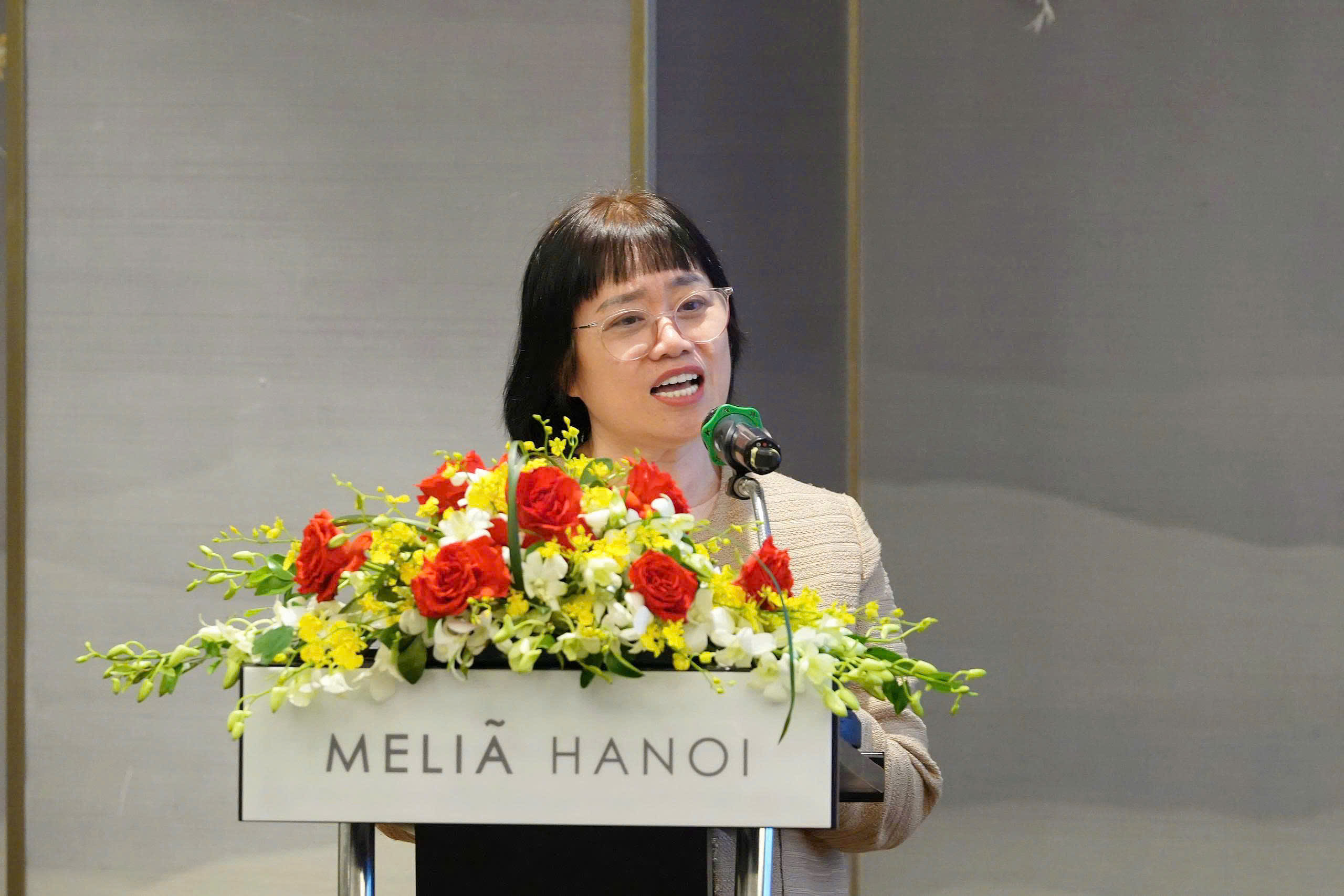
Dr. Nguyen Thi Mai Anh, Energy Expert, Ecology and Environment Institution.
At the workshop, Dr. Nguyen Thi Mai Anh, stated that the objective of the “Project to Support the Operationalization of the Vietnam Energy Efficiency Fund” is to develop a comprehensive Fund design that is scientifically sound and practically feasible, providing a basis for the establishment and operation of the Fund. Expected outcomes include enhancing the Fund’s readiness for establishment and operation, developing financial mechanisms and a capital mobilization strategy, and clearly identifying beneficiaries and access mechanisms.
Discussing key considerations for the establishment and operation of the Fund, Dr. Nguyen Thi Mai Anh also emphasized that the Energy Efficiency Promotion Fund would be an off-budget state financial fund operating on a non-profit basis. Its operating principles would include mobilizing non-state resources, maintaining financial independence, avoiding duplication with the state budget, and minimizing additional costs for enterprises. The Fund’s resources would comprise only equity capital, mobilized capital, and entrusted funds. Its charter capital would be allocated from public investment capital in accordance with public investment planning procedures. The state budget would provide charter capital once the Fund meets three required conditions, while operating expenses would be covered by the Fund’s own revenues. Mobilized capital must be consistent with the Fund’s repayment capacity, while foreign borrowing would comply with public debt legislation. The Fund would not accept deposits or issue bank guarantees.
According to Dr. Nguyen Thi Mai Anh, the Fund is intended to pursue the following objectives: First, to operate with financial independence and mobilize capital, provide wholesale lending, make investments, provide support, and receive entrusted funds nationwide; Second, to use public resources effectively, improve the efficiency of state budget resources and grants, and promote public-private partnerships; Third, to support enterprises in enhancing green competitiveness and complying with CBAM, ETS, and green requirements imposed by the EU, the United States, and Japan on exported goods; Fourth, to provide preferential instruments, interest-rate support, technical assistance, and market support for energy efficiency and conservation projects; Fifth, to promote technological transformation, contribute to reducing energy intensity, and expand the market for energy service companies (ESCOs); and Sixth, to serve as a policy instrument that complements the financial market without replacing or competing with credit institutions.
The Fund’s main functions would include capital mobilization, preferential lending, interest-rate support, technical assistance, market transformation, and policy-oriented investment.
Regarding recommendations and the proposed roadmap, the Fund is expected to be submitted to the Prime Minister in December 2026 for approval as an entity under the Ministry of Industry and Trade. A Decision comprising five articles and Regulations comprising 47 articles in six chapters would be promulgated, with effect from January 1, 2027. During 2027–2029, the Ministry of Finance would be assigned to allocate charter capital and administrative funding, while the Ministry of Finance and the State Bank of Vietnam would appoint officials to participate in the Fund’s Management Council.
Sharing international experience and key considerations for the Fund’s operation, Prof. Dr. Abul Quasem Al-Amin of the Harvard Asia Center, Harvard University, noted that the Project had reviewed five funds in five countries: Thailand, India, Bulgaria, Malaysia, and Tunisia. Of these, two models were examined in greater detail: Thailand’s Energy Efficiency Revolving Fund (EERF) and Malaysia’s Green Technology Financing Scheme (GTFS).
Lessons applicable to Vietnam include separating technical eligibility, credit decisions, and risk support functions, as observed across all five funds; channeling loans through banks while banks retain credit risk, as in Thailand; providing technical assistance for energy audits, project preparation, and capacity building, as practiced in India, Bulgaria, and Tunisia; and ensuring audited and publicly disclosed financial reporting, as in India and Bulgaria.
Mr. Tran Tien Dong, Financial Institutions Department, Joint Stock Commercial Bank for Investment and Development of Vietnam (BIDV).
Sharing BIDV’s experience in managing entrusted lending from funds and projects, Mr. Tran Tien Dong of the Financial Institutions Department at the Joint Stock Commercial Bank for Investment and Development of Vietnam (BIDV) noted that BIDV has extensive experience in implementing and managing entrusted funds from the Government and development partners.
Regarding its experience in servicing domestic funds, BIDV has been selected by numerous ministries, sectors, and government agencies to support the implementation of off-budget state financial funds, including the Vietnam Environment Protection Fund, Small and Medium Enterprise Development Fund, National Foundation for Science and Technology Development, National Technology Innovation Fund, and National Data Development Fund.
BIDV’s approach to servicing funds includes receiving and administering entrusted funds—covering coordination in developing mechanisms, receipt of funds, appraisal, disbursement, recovery, and reporting in accordance with applicable regulations—as well as providing integrated account infrastructure and banking services, including account opening and management, cash management, disbursement, fund recovery, domestic and international payments, digital banking, and reporting.
Mr. Tran Viet Nguyen, Deputy Head of the Business Department, Vietnam Electricity (EVN).
Sharing experience in implementing energy efficiency investment projects under the ESCO model, Mr. Tran Viet Nguyen, Deputy Head of the Business Department at Vietnam Electricity (EVN), explained that EVN’s ESCO model is based on contracts for implementing energy efficiency projects. ESCO contractual arrangements include guaranteed savings contracts and shared savings contracts.
Despite certain advantages, ESCO implementation continues to face several challenges, including the absence of a comprehensive legal framework for ESCOs and regulations governing ESCO operations, methodologies for determining energy savings, resolution of ESCO contract disputes, asset handover, and eligible users of ESCO services. Other constraints include limited communication and awareness, financing limitations, risks associated with capital recovery, and underdevelopment of the ESCO market in terms of solutions, training, expert capacity, and technical assistance.
EVN recommended establishing a financial fund to promote energy efficiency and conservation; standardizing measurement and verification procedures; introducing independent appraisal and assessment mechanisms and publishing a list of qualified ESCOs; providing accounting guidance for entities using the state budget; and strengthening the activities of the Vietnam ESCO Association.
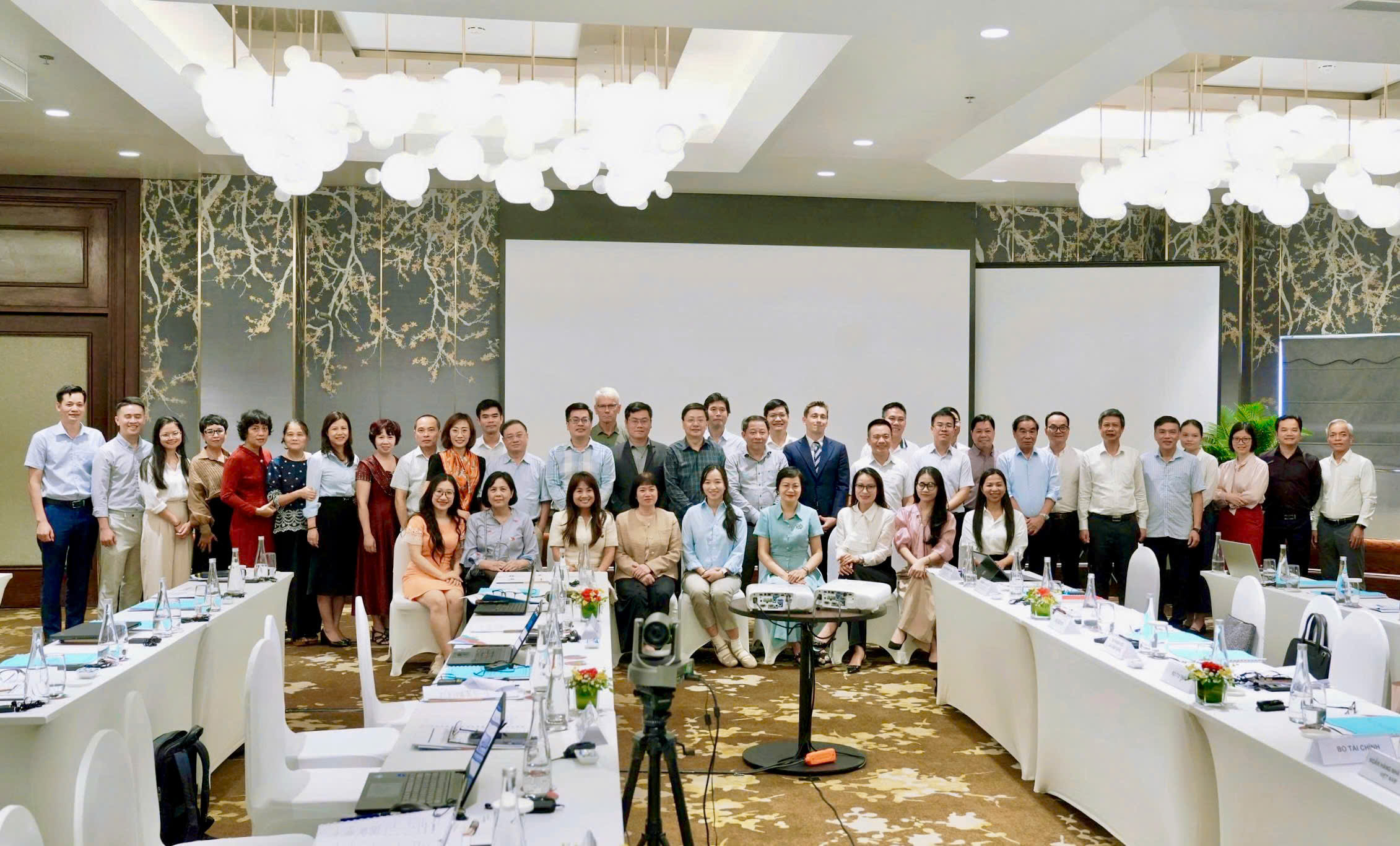
The workshop also provided time for delegates to contribute comments on issues related to the legal framework, international experience, fund management, and implementation of energy efficiency projects. Feedback gathered at the workshop will provide practical input for further finalizing the dossier for the establishment of the Fund.