Consultation Workshop on the Energy Efficiency Promotion Fund in Southern Vietnam
Thứ ba, 22/09/2026 - 15:28
On September 18, 2026, in Ho Chi Minh City, the Department for Energy and Petroleum under the Ministry of Industry and Trade (MOIT) organized a consultation workshop on the “Energy Efficiency Promotion Fund.”
Speaking at the workshop, Mr. Dang Hai Dung, Deputy Director of the Department for Energy and Petroleum, Ministry of Industry and Trade (MOIT), said that the Vietnam National Energy Efficiency Programme (VNEEP) has been widely implemented across the country, contributing to raising awareness and encouraging enterprises to adopt energy efficiency measures. Energy efficiency not only contributes to ensuring energy security but also helps enterprises reduce costs and improve productivity and competitiveness.
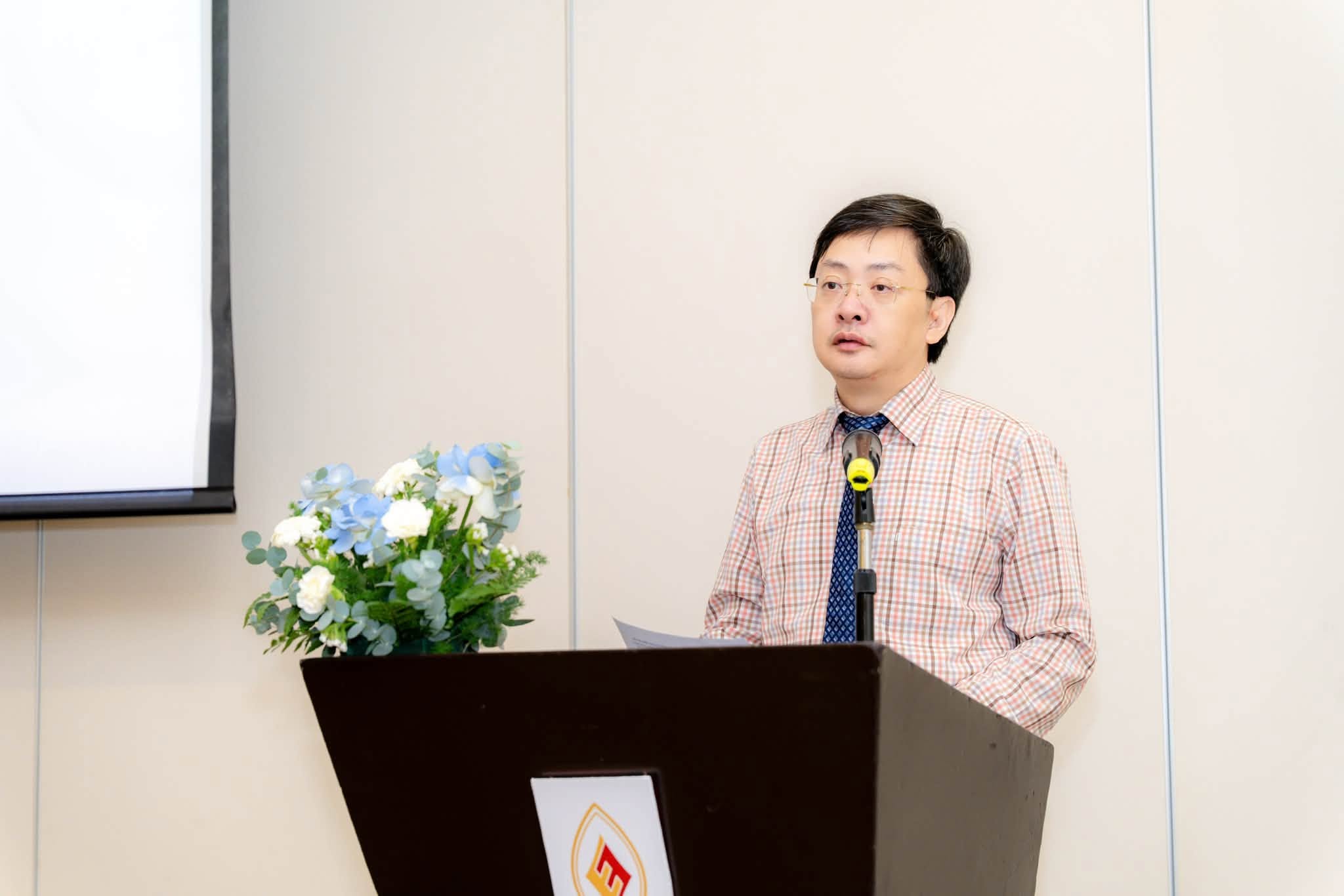
Mr. Dang Hai Dung, Deputy Director of the Department for Energy and Petroleum (MOIT), delivers the opening remarks at the consultation workshop.
2026 marks an important transition, with Law No. 77/2025/QH15 and Decree No. 30/2026/ND-CP coming into effect. Directive No. 09/CT-TTg calls for the implementation of energy efficiency and electricity-saving measures and the completion of the dossier for establishing the Fund.
According to Mr. Dang Hai Dung, considerable energy-saving potential remains in industry, construction, commerce, and many other sectors. Many enterprises have upgraded production lines, replaced low-efficiency equipment, optimized systems, and invested in new technologies. However, financing and access to finance remain major bottlenecks. Many projects offer clear economic benefits but require substantial upfront investment, while enterprises, particularly small and medium-sized enterprises, face difficulties in mobilizing capital. This creates a gap between energy-saving potential and enterprises’ capacity to invest.
Against this backdrop, the design and establishment of the Fund are of significant importance. The Fund would not only provide financial support but also serve as a mechanism for mobilizing and connecting resources from the State, the private sector, financial institutions, and development partners. In addition to financial support, the Fund could connect enterprises with technical and international resources for energy audits, project preparation, human resource training, and technology transfer, covering the entire process from identifying potential opportunities to implementing investments.
For the Fund to operate effectively, its organizational model, funding sources, management mechanisms, financial instruments, and procedures need to be further developed to ensure that enterprises can access resources conveniently and transparently.
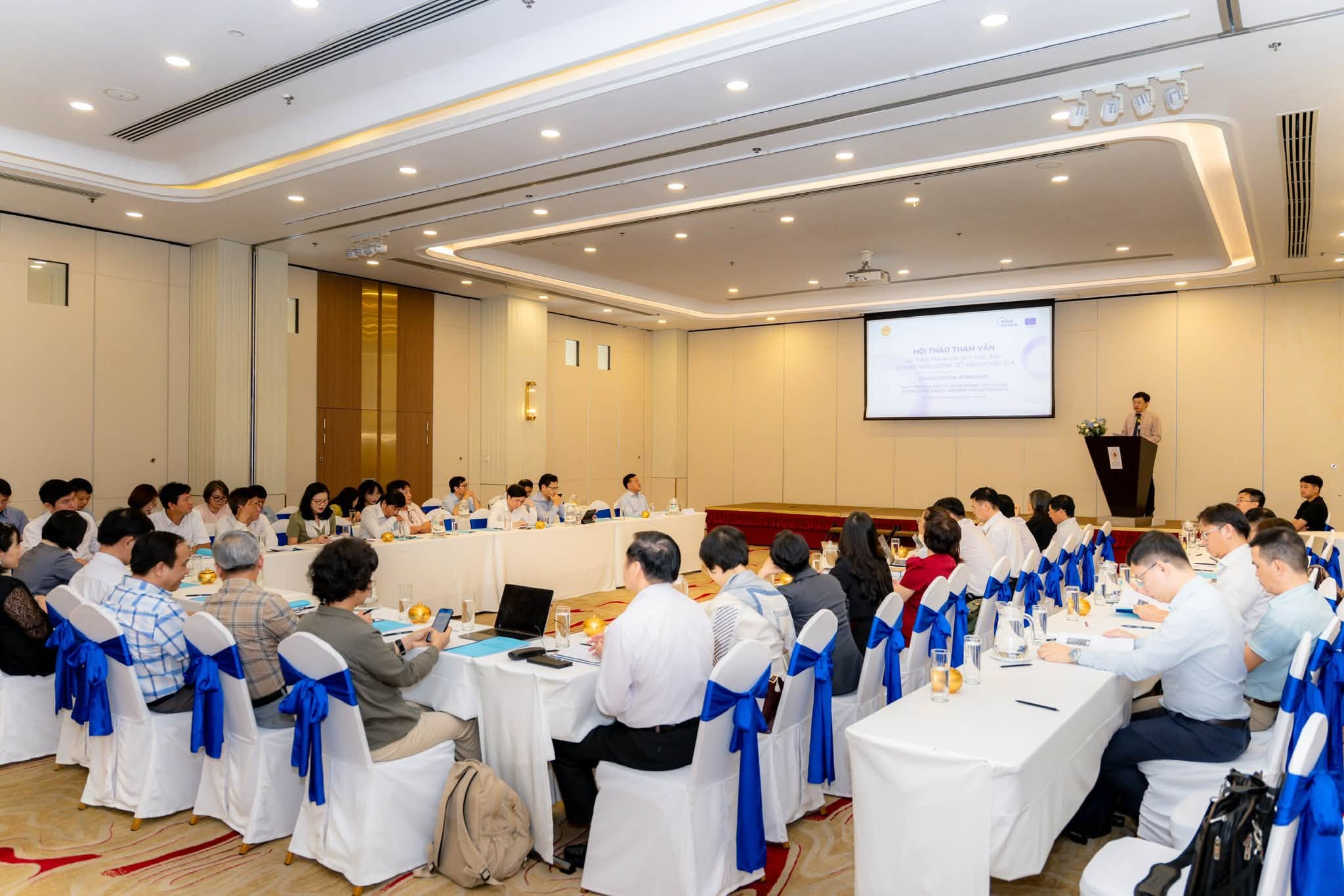
Comments and feedback from the workshop will contribute to finalizing the Fund and promoting energy efficiency and conservation activities in Vietnam.
“The comments and feedback provided at the workshop will serve as a basis for the Ministry of Industry and Trade to further refine the model of the Energy Efficiency Promotion Fund. This will help ensure its feasibility, effectiveness, transparency, and sustainability, and develop the Fund into an instrument for promoting energy efficiency investments on a larger scale,” Mr. Dang Hai Dung emphasized.
Speaking at the workshop, Ms. Tran Thuy Duong, Programme Manager at the Delegation of the European Union to Vietnam, noted that the EU and Vietnam have a long-standing partnership in sustainable development, with energy transition as one of its key pillars. The EU is committed to supporting Vietnam in developing a clean, efficient, and sustainable energy system in line with the country’s goal of achieving net-zero emissions by 2050.
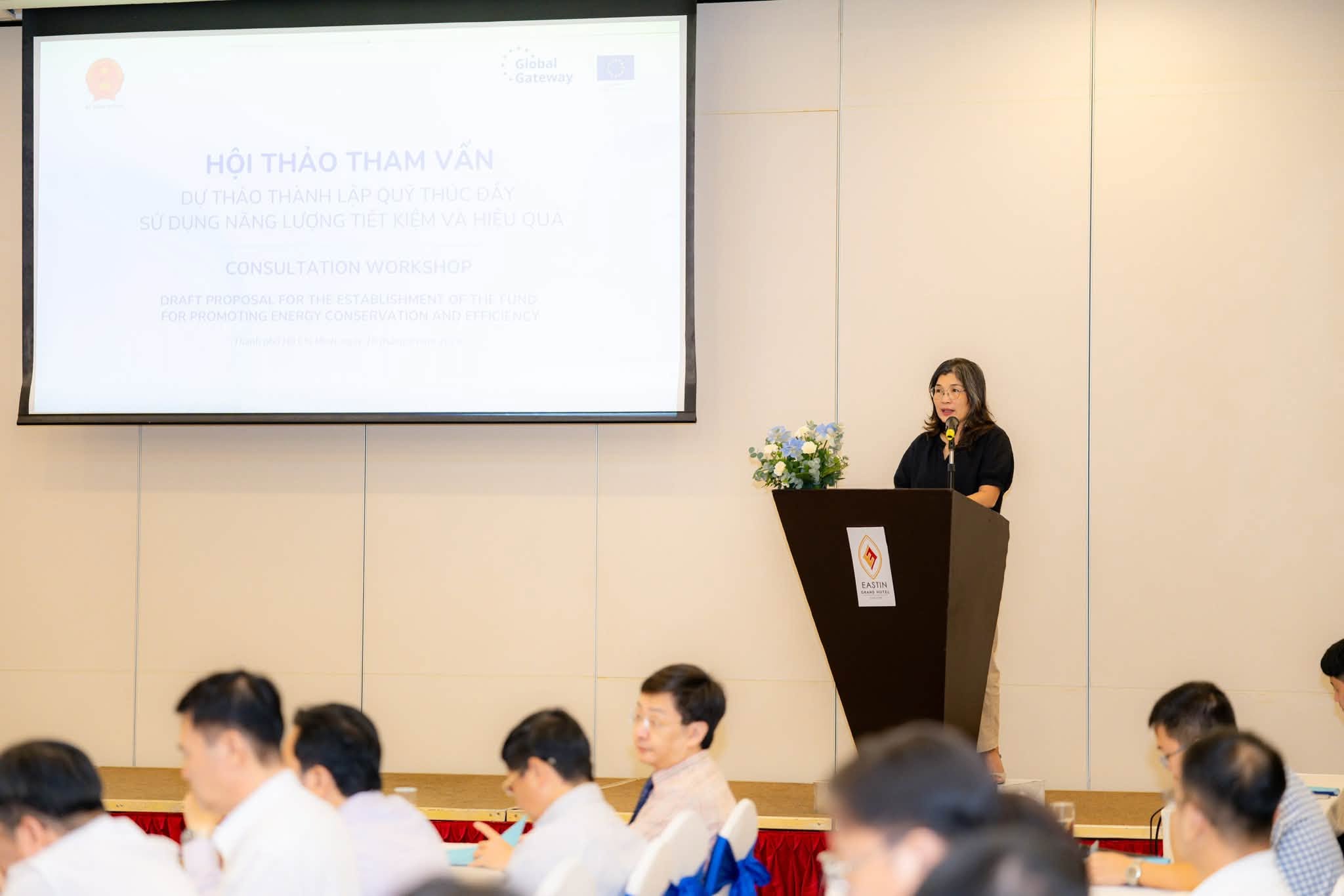
Ms. Tran Thuy Duong, Programme Manager at the Delegation of the European Union to Vietnam.
Through the Global Gateway Strategy, the EU is working with Vietnam to mobilize public and private investment and promote sustainable energy solutions. The Just Energy Transition Partnership (JETP) is a key initiative supporting a just energy transition.
Through the EU–Vietnam Sustainable Energy Transition Programme, the EU is providing 142 million euro in grant funding to support Vietnam’s transition toward a clean energy system. The Programme focuses on energy efficiency, renewable energy, and the Vietnam Energy Information System.
Ms. Duong emphasized that the EU is supporting the Ministry of Industry and Trade and the Department of Energy and Petroleum in developing recommendations for a Fund model suited to Vietnam’s conditions. Experience shows that support mechanisms should combine financial instruments with technical assistance, project preparation, measurement and verification of energy savings, and transparent governance arrangements.
Public resources can help mitigate risks and create favorable conditions for banks and private investors to participate more extensively in energy efficiency projects.
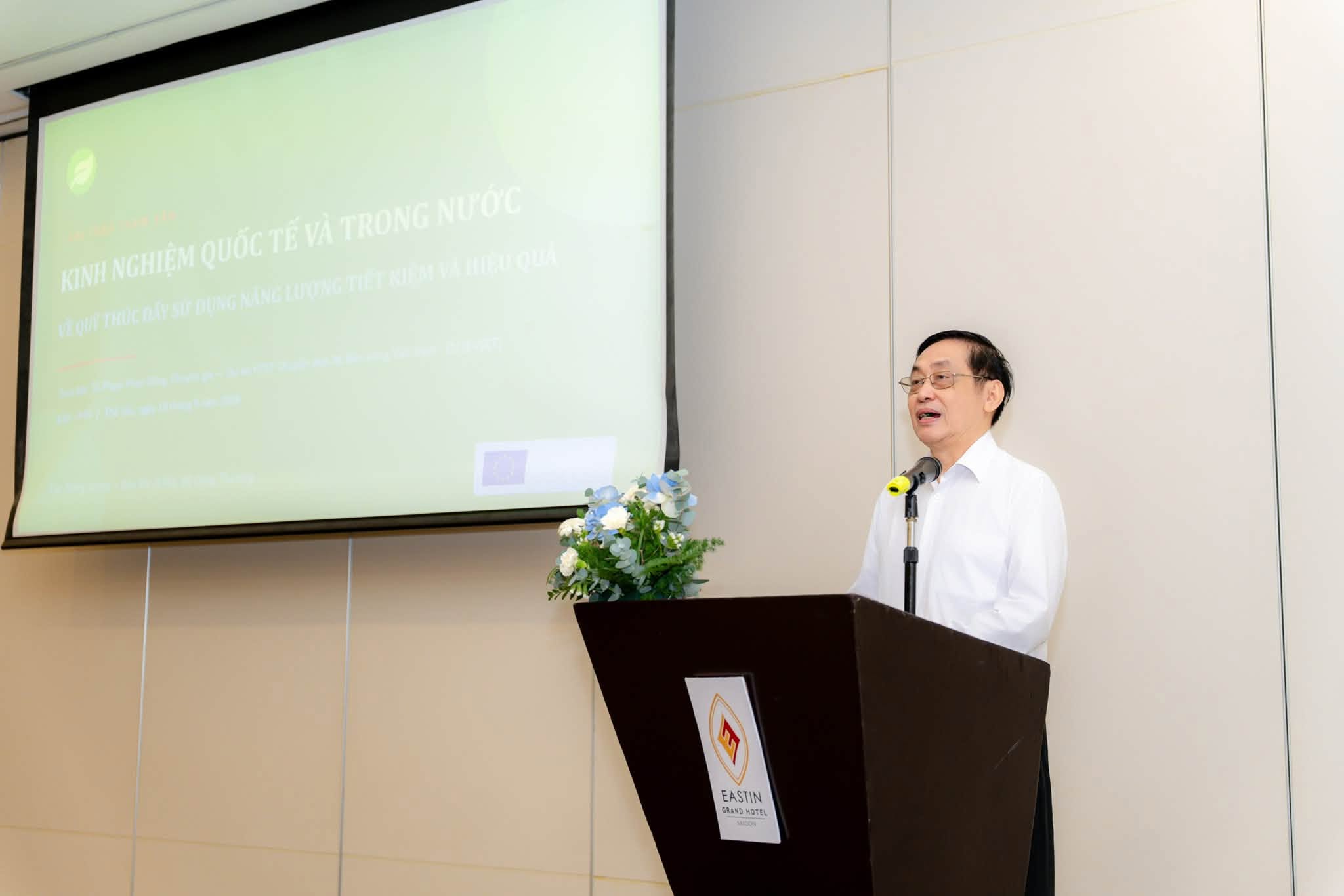
Mr. Pham Phan Dung, representative of the research team for the Vietnam Energy Efficiency Promotion Fund.
At the workshop, Mr. Pham Phan Dung, representative of the research team, presented the proposed Fund model. He explained that the Energy Efficiency Promotion Fund is a state financial fund operating outside the state budget and on a non-profit basis. The Fund would be authorized to mobilize capital, provide loans, make investments, entrust funds, and receive entrusted funds to promote energy efficiency and conservation nationwide.
The objectives related to the Fund include: First, recommending an appropriate organizational model, functions, responsibilities, management structure, and financial resources for the Fund in line with Vietnam’s legal and practical conditions. Second, proposing a roadmap for establishing the Fund, the structure of the draft Prime Minister’s Decision, and the roles and responsibilities of relevant ministries and agencies. Third, identifying technical assistance and capacity-building needs for the Department of Energy and Petroleum and relevant stakeholders in the operation of the Fund.
The Fund would operate on a non-profit basis and be required to preserve its charter capital. It would be exempt from taxes and other payments to the state budget in accordance with applicable laws. Its administrative expenses would be funded by the state budget through the Ministry of Industry and Trade’s recurrent expenditures. The Fund would be subject to inspection, examination, and audit by competent state authorities and would operate on the principles of openness, transparency, and equality.
Regarding the roadmap for submission to the Prime Minister for establishment of the Fund, the dossier would be finalized and comments sought from ministries, sectors, local authorities, and enterprises during July–August 2026. From July to October 2026, the organizational and governance structure of the Fund would be finalized, together with its Charter, financial management mechanism, and Operations Manual. During August–September 2026, international experience would be studied in Germany, Italy, Tunisia, and France, with the participation of relevant agencies, including those responsible for finance, the state budget, justice, and home affairs. In October 2026, the relevant documents would be submitted to the Prime Minister for approval, including the Decision on the establishment of the Fund, the Decision promulgating the Fund’s Charter, and the Decision stipulating the Fund’s financial management mechanism.
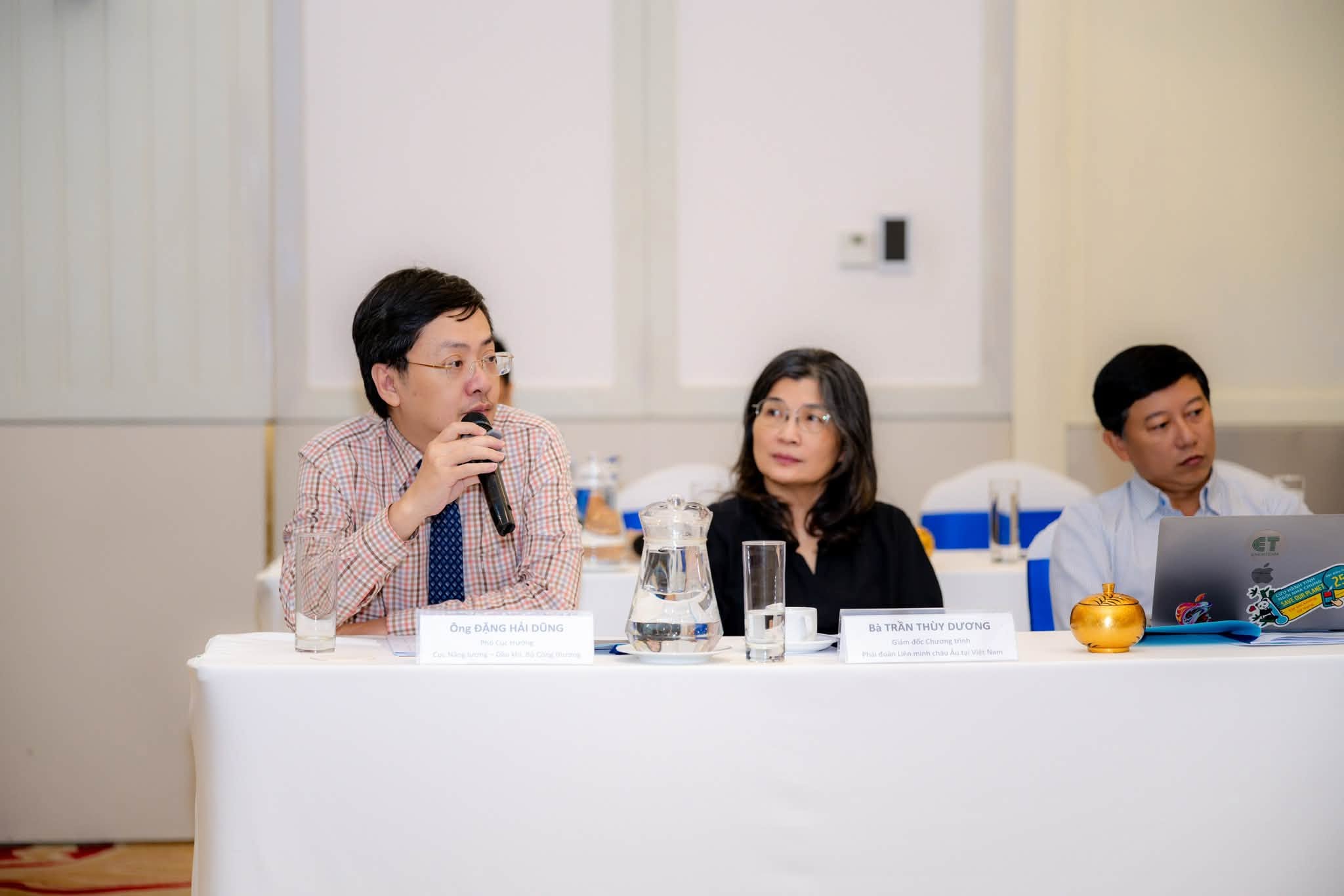
Mr. Dang Hai Dung, Deputy Director of the Department for Energy and Petroleum (MOIT), moderates the discussion session at the workshop.
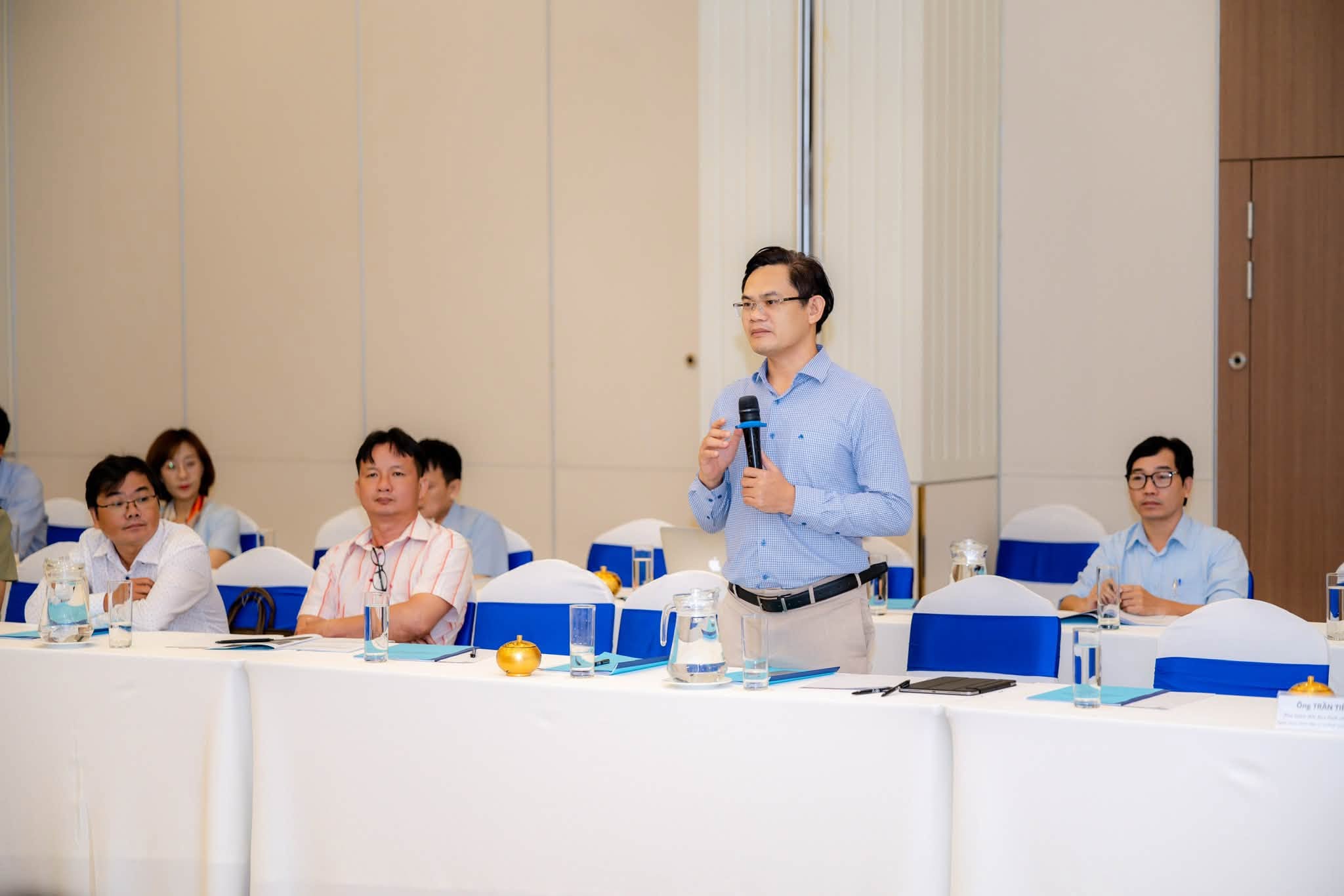
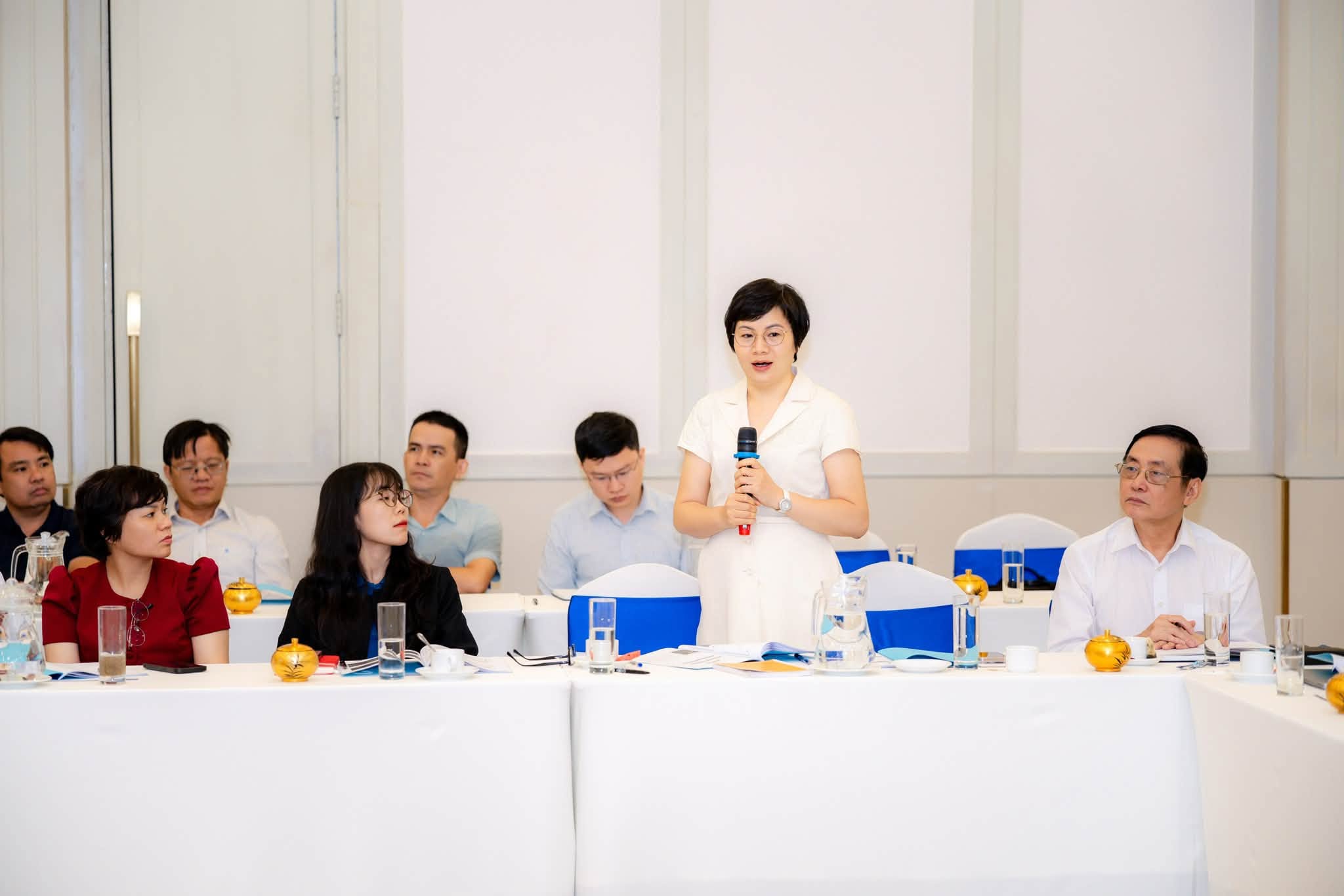
Delegates participate in discussions at the workshop.
The workshop also provided time for delegates to exchange views and discuss questions related to the Energy Efficiency Promotion Fund. Comments and recommendations gathered at the workshop will contribute to further refining the Fund and promoting energy efficiency and conservation activities in Vietnam.