Energy Efficiency and Conservation in the Chemical Industry
Thứ hai, 21/09/2026 - 15:34
On September 18, 2026, the Vietnam Energy Conservation and Energy Efficiency Association (VECEA) organized the “Workshop on Energy Efficiency and Conservation in the Chemical Industry” in a hybrid format, combining in-person and online participation.
The workshop was organized under the Vietnam National Energy Efficiency Programme for the 2019–2030 period (VNEEP3).
The workshop aimed to provide a platform for government agencies, enterprises, and relevant stakeholders to exchange views on energy use in the chemical industry, while providing updates on current regulations and orientations for implementing energy efficiency and conservation activities during the 2026–2030 period. It also provided an opportunity for stakeholders to gain a clearer understanding of the needs, potential, and opportunities for improving energy efficiency in production activities.
Participants included representatives from government agencies, VECEA, member units of the Vietnam National Chemical Group (Vinachem), enterprises in the chemical industry, experts, and organizations and entities working in the field of energy efficiency and conservation.
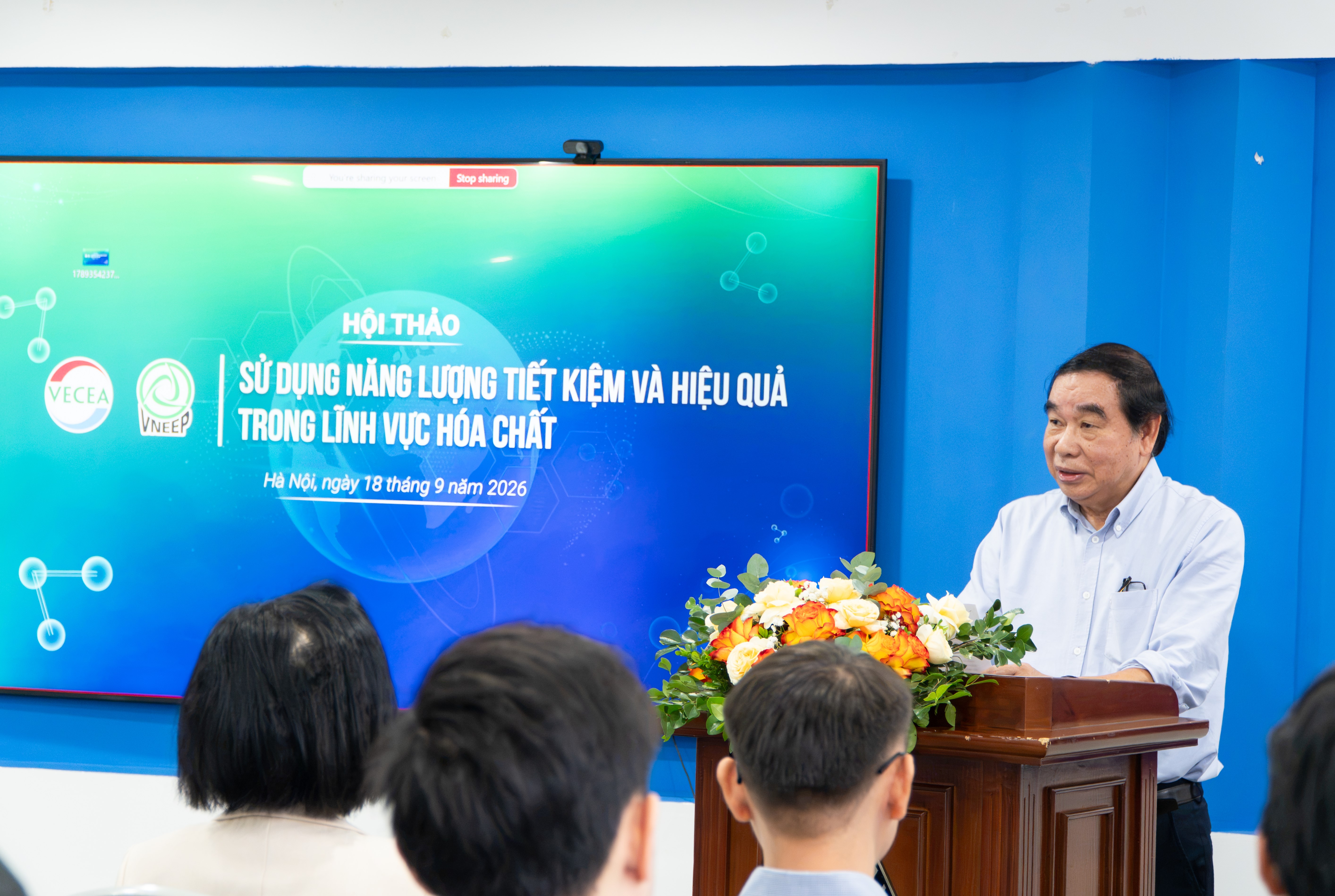
Mr. Nguyen Dinh Hiep, Chairman of the Vietnam Energy Conservation and Energy Efficiency Association, delivers the opening remarks at the workshop.
In his opening remarks, Mr. Nguyen Dinh Hiep, Chairman of VECEA, noted that Vinachem is a major economic group operating in a number of large-scale production sectors, including fertilizers, basic chemicals, acids, caustic soda-chlorine, chlorine, and mineral processing. These are energy-intensive activities with estimated energy-saving potential of more than 30%. Therefore, developing an energy efficiency and conservation plan for the 2026–2030 period is essential to reduce production costs, meet emission reduction standards, and contribute to realizing the country’s green growth and sustainable development goals.
The workshop provided an opportunity for government agencies and enterprises to exchange information and share practical experience in energy efficiency and conservation in the chemical industry, as well as to discuss Vinachem’s orientations, objectives, tasks, and solutions for energy efficiency and conservation during the 2026–2030 period.
“VECEA expects the workshop to facilitate open and practical discussions, providing the task implementation team with additional insights from actual practice to develop a Plan that reflects the specific characteristics of the chemical industry, aligns with the conditions of enterprises, and is feasible for implementation,” Mr. Nguyen Dinh Hiep emphasized.
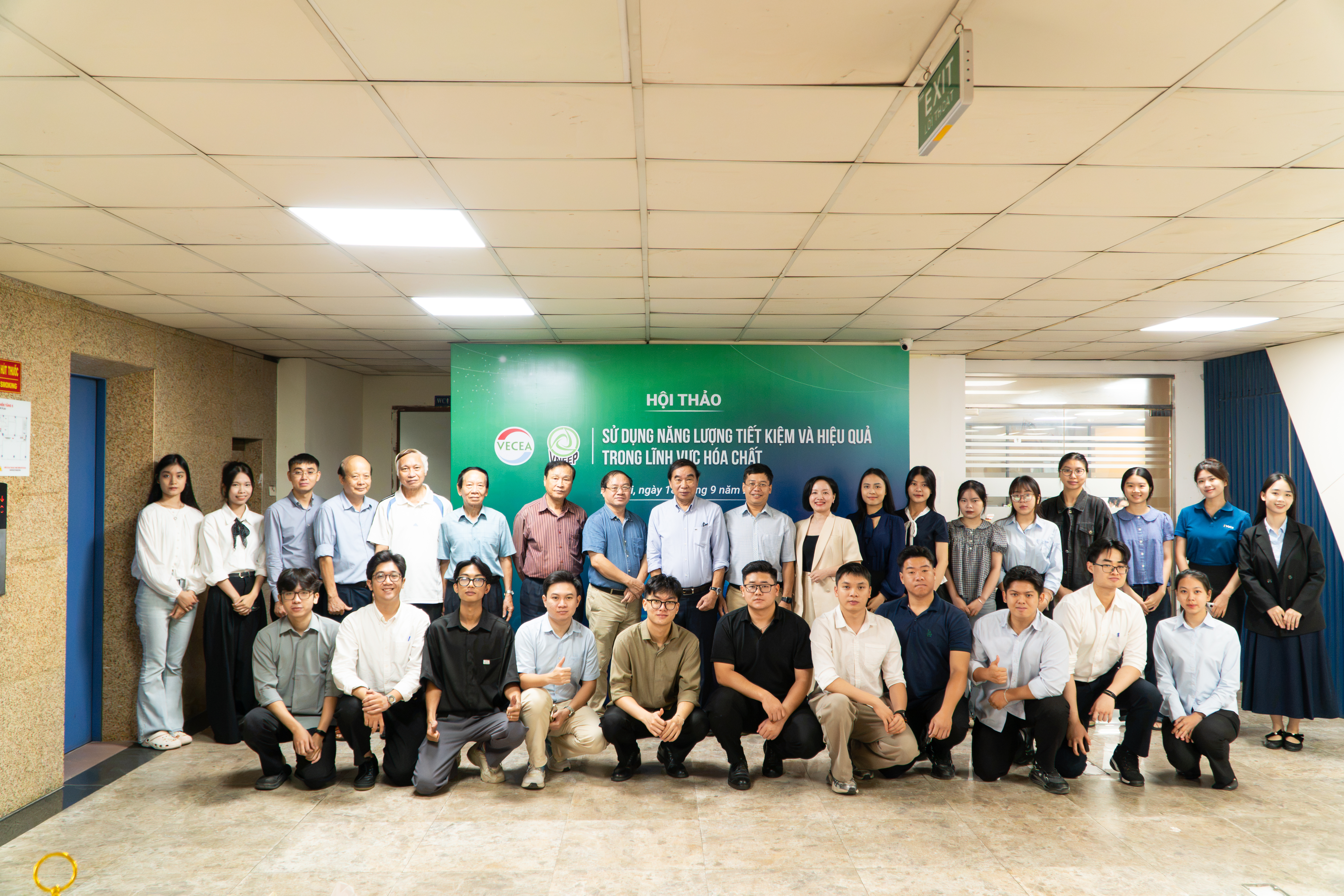
Delegates attending the workshop.
At the workshop, Mr. Nguyen Van Long, Vice Chairman and Secretary General of the Vietnam Energy Conservation and Energy Efficiency Association, provided updates on legal regulations concerning energy efficiency and conservation. These are important to help enterprises keep abreast of current regulatory orientations, legal requirements, and policies promoting energy efficiency and conservation.
Mr. Long noted that designated energy-consuming facilities in the chemical industry are responsible for conducting periodic energy audits. The benefits of energy audits include compliance with the Law on Using Energy Efficiency and Conservation and Circular No. 25/2020/TT-BCT; assessment of the current status of energy-consuming systems at facilities; identification of solutions to reduce energy consumption and operating costs; provision of a basis for developing energy-use and operational management plans; and support for enterprises in reducing emissions, enhancing competitiveness, and meeting customer requirements.
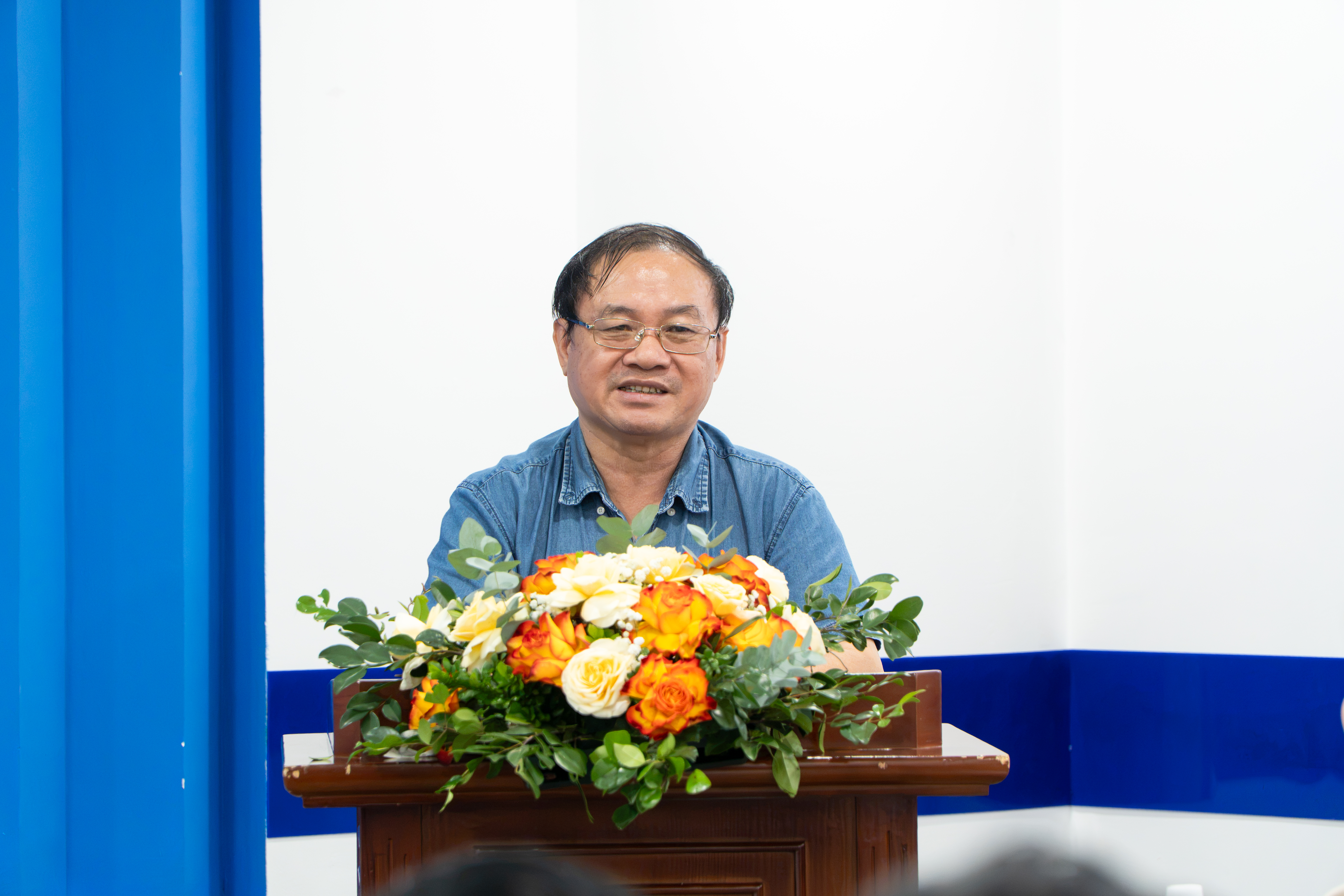
Mr. Nguyen Van Long, Vice Chairman and Secretary General of the Vietnam Energy Conservation and Energy Efficiency Association.
Regarding the development of the “Energy Efficiency and Conservation Plan for the Vietnam National Chemical Group for the 2026–2030 Period” (the Plan), the implementation methodology includes surveying and assessing energy consumption; analyzing energy-saving potential by production sector and identifying energy-saving opportunities; preparing the draft Energy Efficiency and Conservation Plan for the 2026–2030 period; organizing two workshops to present research findings and gather comments from government agencies, experts, Vinachem, and its member units for incorporation into and finalization of the draft Plan; and finalizing the report for acceptance.
To achieve the objectives, VECEA proposed that Vinachem designate a focal point to coordinate implementation of the assignment; provide complete, accurate, and timely information and data; coordinate field surveys; provide technical comments; and cooperate in organizing consultation workshops.
Mr. Nguyen Trong Hau, Head of the Solutions Consulting Department at Vietnam Technology Solutions Joint Stock Company, also presented the results of a survey and assessment of energy consumption at Vinachem member units. Specifically, during the 2023–2025 period, energy demand among chemical enterprises showed an upward trend, in line with increased production output and manufacturing activities. Fertilizer and chemical production were among the largest energy-consuming segments due to their technology-intensive processes involving thermal processes, chemical reactions, and high-capacity equipment. Energy sources used by enterprises are diverse, including electricity, coal, oil, gas, and other fuels. Enterprises have gradually implemented energy efficiency measures, upgraded equipment, switched fuels, and adopted renewable energy. However, considerable potential remains for further efficiency improvements, particularly in significant energy-consuming systems.
Mr. Hau noted that energy demand is expected to continue increasing during the 2025–2030 period. Therefore, priority should be given to controlling specific energy consumption, improving the efficiency of technologies and equipment, and ensuring that energy consumption grows at a slower rate than production output.
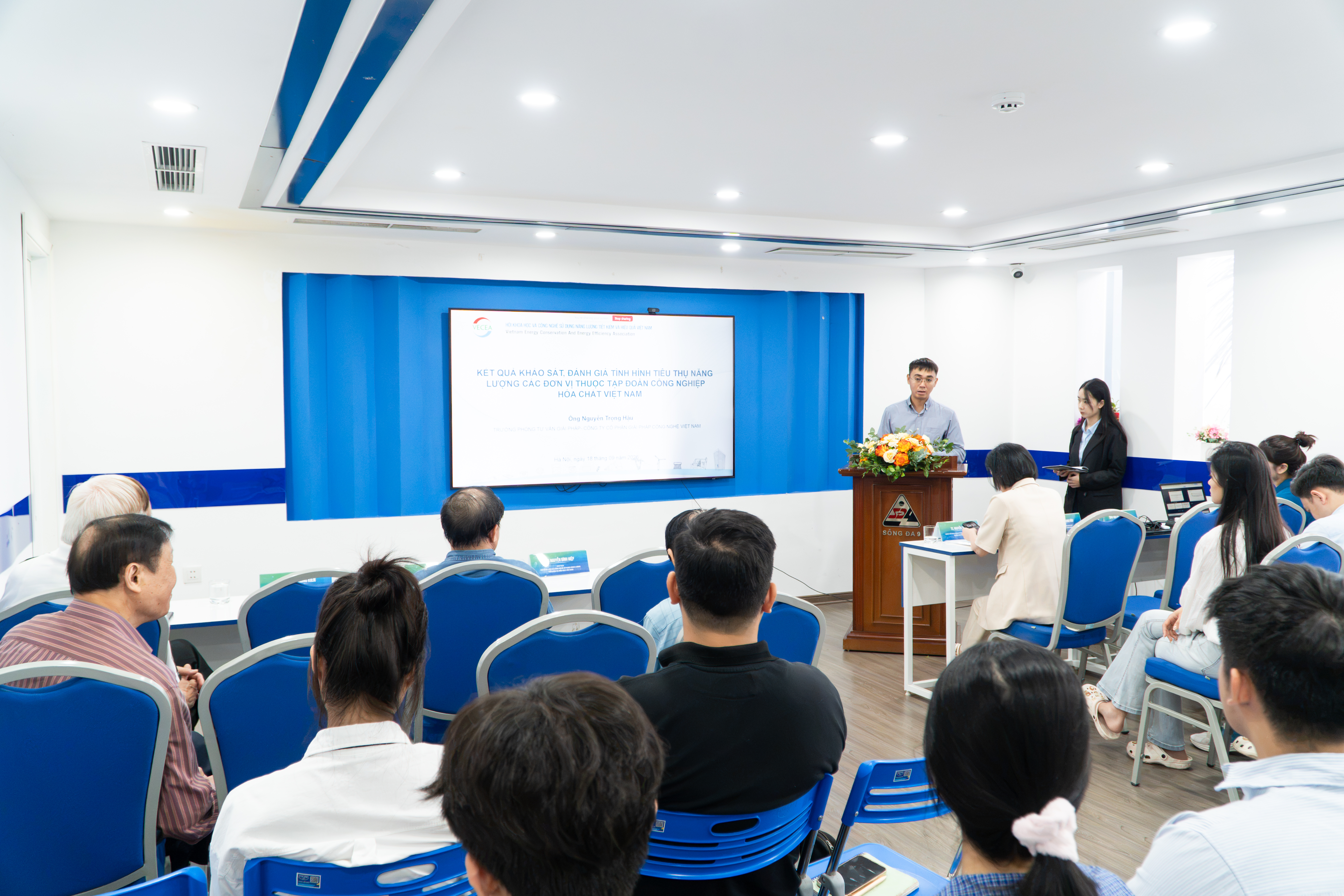
Mr. Nguyen Trong Hau, Head of the Solutions Consulting Department at Vietnam Technology Solutions Joint Stock Company.
Regarding energy-saving potential in the chemical industry, Mr. Hau stated that the NPK fertilizer production subsector has the potential to reduce purchased energy consumption by approximately 15%. This includes potential electricity savings of more than 28.4 million kWh per year and thermal energy savings of more than 661 million MJ per year. The rubber processing subsector has the potential to reduce purchased energy consumption by approximately 17%, equivalent to more than 20.3 million kWh of electricity and nearly 196.7 million MJ of thermal energy annually. For other chemical subsectors, findings from various energy audit studies indicate that the industry-wide energy optimization potential could reach up to 40% if new technological solutions are implemented comprehensively.
The proposed energy efficiency measures for different subsectors include:
Rubber subsector: Use biomass gasification technology utilizing rice husks and wood to produce gas for drying furnaces, fully replacing diesel oil and LPG; install waste heat recovery systems for drying furnace exhaust gases; improve insulation of drying chambers to reduce heat losses; install variable frequency drives (VFDs) for latex pumps and circulation pumps; replace old motors with high-efficiency IE3/IE4 motors; reduce heat losses from heating tanks; optimize steam consumption for coagulation tanks; modify roller dimensions to increase torque and reduce equipment downtime; install VFDs; and replace surface aeration with fine-bubble aeration.
Fertilizer production subsector: Insulate furnace bodies and hot-air pipelines to reduce heat losses; control the moisture content of input materials to reduce dryer loads; utilize surplus heat for preliminary drying of raw materials; optimize the “Recycle Ratio”; install VFDs to control air dampers; periodically clean cyclones/filter bags to reduce pressure losses; optimize steam injection rates; replace old motors with high-efficiency IE3/IE4 motors; use automated feeding conveyors to maintain stable loads and prevent crushers from operating under partial load; and utilize waste heat from the cooling process for material drying.
Water-based and solvent-based paint production subsector: Optimize grinding media by using beads of appropriate size and density to reduce machine operating time; replace old motors with high-efficiency IE3/IE4 motors; install VFDs to control agitator motors according to individual process stages; and use pigging systems for pipeline cleaning.
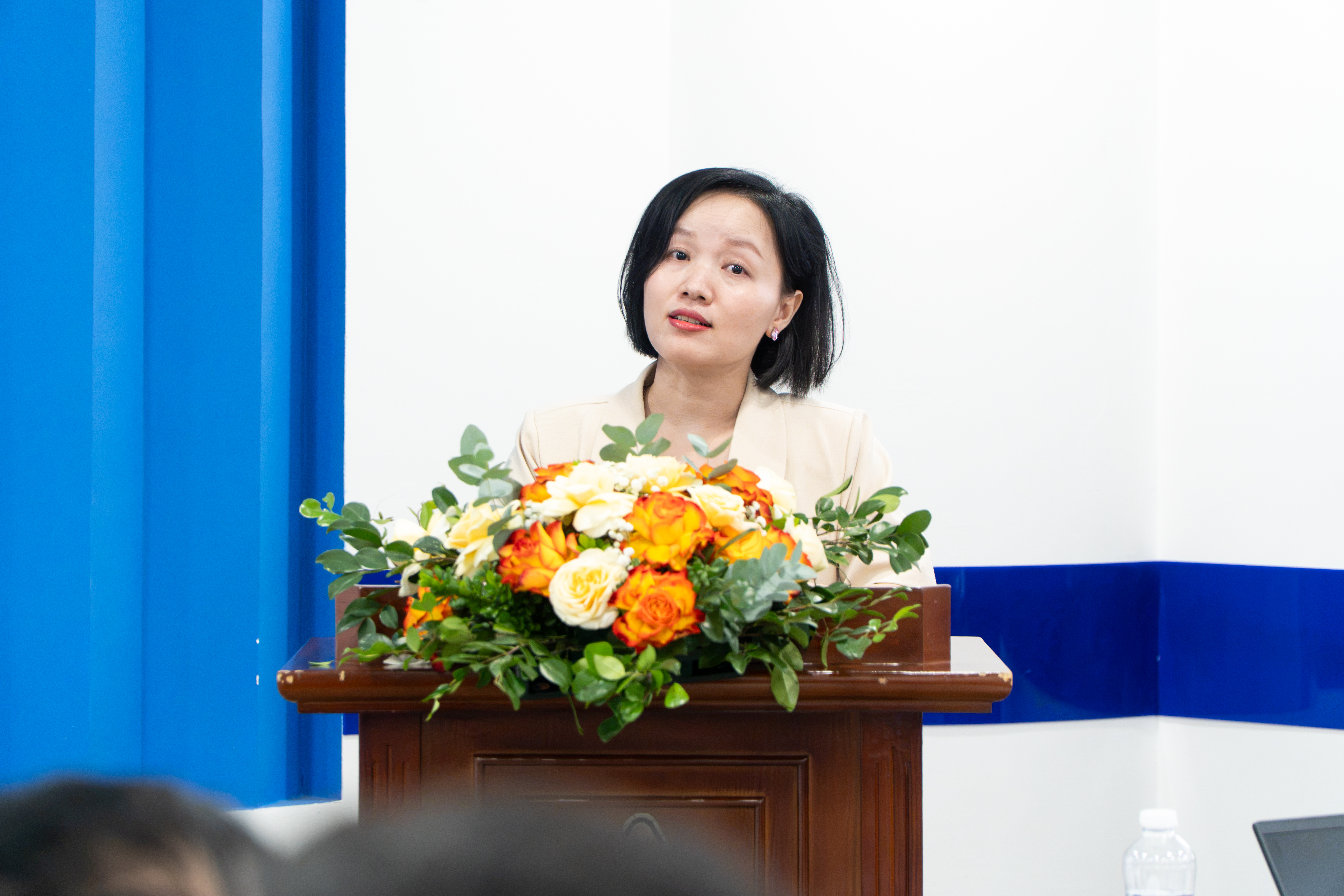
Dr. Nguyen Thi Le, Lecturer at the Faculty of Technology and Energy Management, Electric Power University, and a member of the task implementation team.
At the workshop, Dr. Nguyen Thi Le, Lecturer at the Faculty of Technology and Energy Management, Electric Power University, and a member of the task implementation team, also noted that the draft Plan covers nine main areas, including the legal and practical basis for developing the Plan; viewpoints and objectives; tasks and solutions; prioritization of programs and projects for the 2026–2030 period; implementation roadmap; annual implementation plans; and funding.
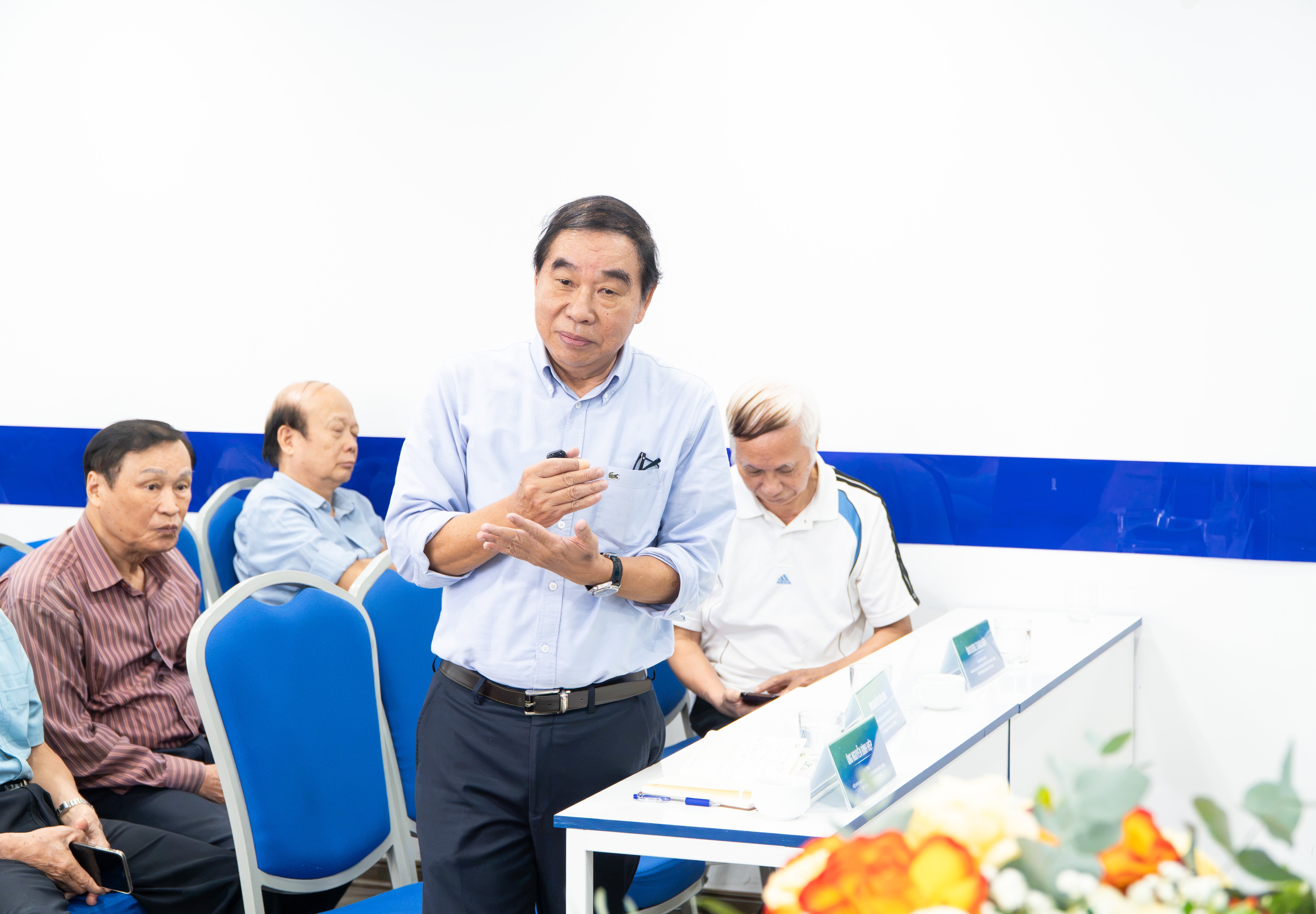

Delegates exchange views and discuss issues related to energy use in the chemical industry.
In addition to technical presentations, the workshop provided time for delegates to exchange views and discuss issues related to energy use in the chemical industry and provide comments on the draft Plan. Feedback gathered at the workshop will serve as an important source of information and practical input for further research, analysis, and refinement of the assignment’s outputs, particularly the development of the Energy Efficiency and Conservation Plan for the Vietnam National Chemical Group for the 2026–2030 period.