Dong Lam Cement Promotes Energy Efficiency to Enhance Sustainable Production
Thứ sáu, 28/08/2026 - 14:04
With a focus on sustainable development, Dong Lam Cement Joint Stock Company is implementing a range of integrated solutions to improve energy efficiency, optimize fuel consumption, and enhance operational performance, gradually building a greener production model.
Integrated Solutions to Optimize Energy Consumption
The cement industry is one of the most energy-intensive sectors, particularly in clinker production and cement grinding. Amid rising electricity and fuel costs, coupled with growing pressure to reduce greenhouse gas emissions, many enterprises have stepped up investment in technologies to reduce energy consumption per tonne of product.
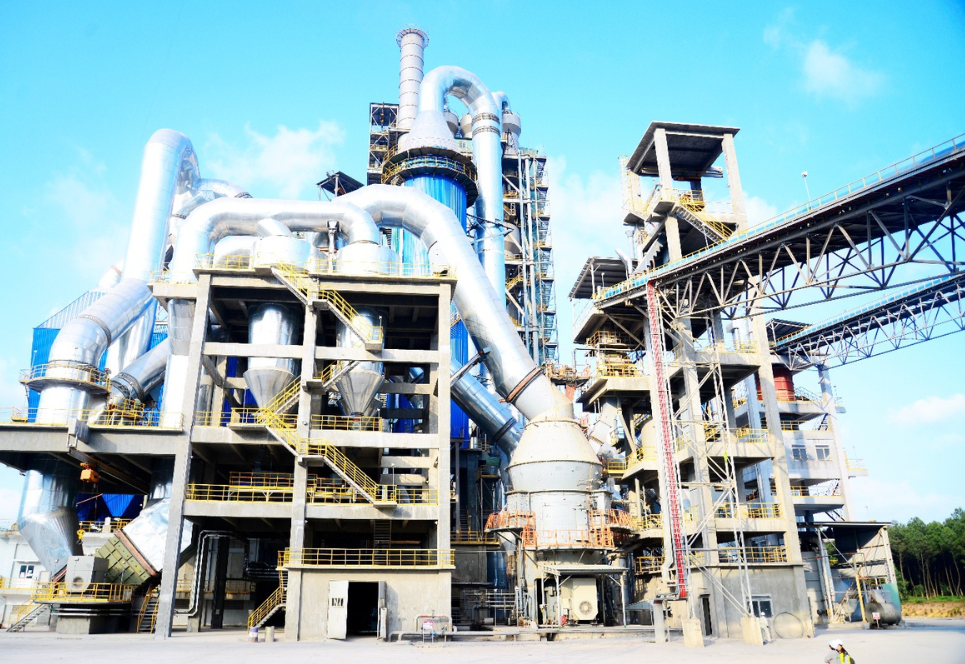
Dong Lam Cement Plant.
At Dong Lam Cement, its energy efficiency strategy is being implemented through the application of modern technological solutions throughout the production process. A key initiative is the waste heat recovery power generation system for the clinker kiln, which officially began operation in September 2025. With a designed capacity of approximately 8,700 kW, the system meets a significant portion of the plant’s electricity demand by utilizing waste heat generated during production.
According to estimates, electricity generated by the system could help the company reduce its annual grid electricity consumption by approximately 30%. Reusing energy that would otherwise be lost not only helps reduce operating costs but also improves resource efficiency.
In addition to the waste heat recovery power generation project, Dong Lam Cement has continuously upgraded its production lines to reduce fuel consumption throughout the manufacturing process.
One notable solution involves utilizing waste heat to dry raw materials for the cement mill instead of using an auxiliary combustion chamber. This approach helps reduce DO oil consumption while improving the operational efficiency of the system.
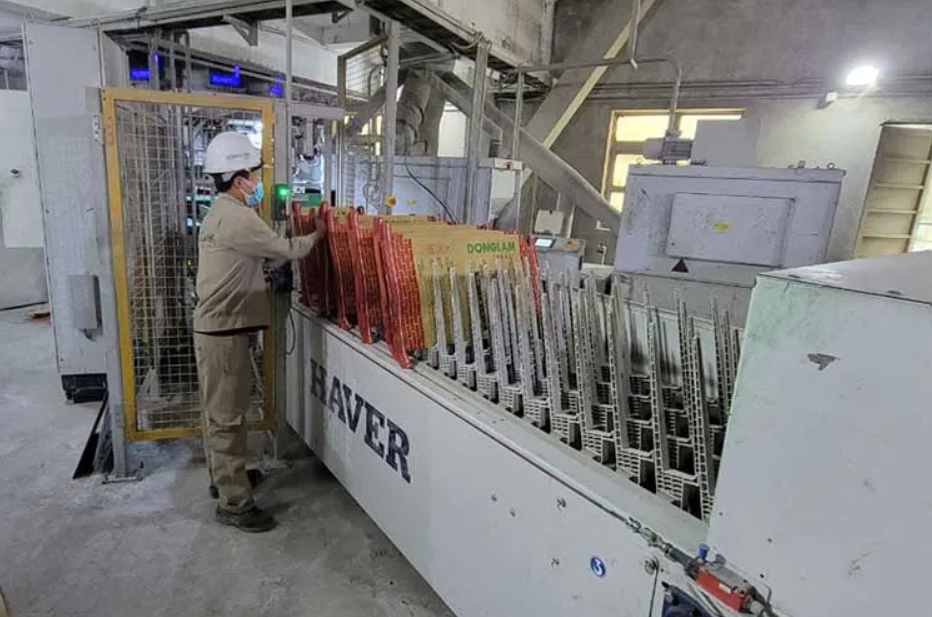
Modern, energy-efficient production line at Dong Lam Cement.
At the same time, the company is increasing the use of suitable mineral additives and industrial by-products in production to reduce clinker consumption—the most energy-intensive stage of cement manufacturing. The company is also studying the application of solar power as an additional solution to diversify the energy sources used for production.
These improvements contribute to the development of a more optimized energy management system, enabling the company to reduce production costs over the long term and strengthen its ability to adapt to fluctuations in the energy market.
Alternative Fuels Contribute to Improved Energy Efficiency
In addition to reducing electricity consumption, Dong Lam Cement is expanding the use of alternative fuels in its clinker kiln to reduce dependence on conventional coal.
In late June, the company signed an EPC contract to implement a project that will partially replace fine coal with alternative fuels in its clinker production line. Once completed, the system will be capable of receiving and processing approximately 600 tonnes of waste per day for use in the production process.
Materials being considered for use include by-products from the textile and garment, paper, plastics, and wood industries, as well as sawdust, bark, and various agricultural by-products. These materials offer potential for energy recovery while also helping reduce the volume of waste sent to landfills.
Gradually replacing fossil fuels not only enables the company to better manage exposure to fluctuations in the coal market but also creates opportunities to improve energy efficiency across the entire production line.
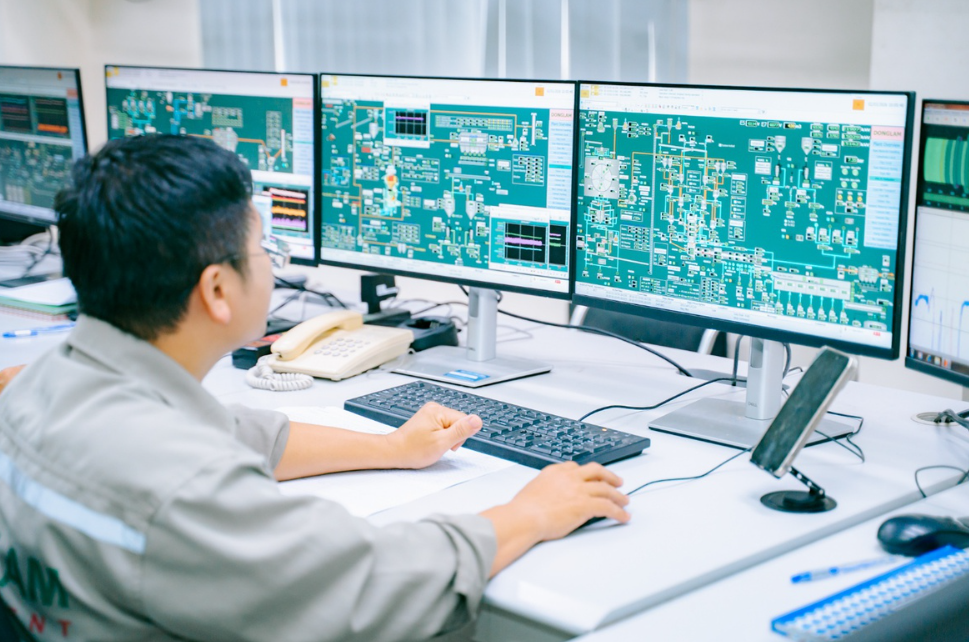
Central control room at Dong Lam Cement Plant.
According to a representative of Dong Lam Cement, investment in energy efficiency solutions is not merely aimed at reducing production costs but also represents an important step in preparing the company for its long-term sustainable development pathway.
In the coming years, the company will continue to prioritize projects that improve equipment efficiency, increase the share of renewable energy and alternative fuels, and apply advanced technologies to reduce emissions from clinker production.
By simultaneously implementing electricity-saving measures, optimizing fuel use, and recovering waste heat, Dong Lam Cement is gradually developing a more energy-efficient production model, reducing its environmental impact, and strengthening its competitiveness as the cement industry increasingly transitions toward green growth.
In the long term, investments in energy-efficient technologies are expected to deliver sustainable economic benefits while contributing to the greenhouse gas emission reduction targets of the building materials industry and supporting the transition toward a circular economy and carbon neutrality.