Conference on Energy Efficiency and Conservation in 2026
Thứ hai, 17/08/2026 - 14:59
On the morning of August 14, 2026, in Da Nang, the Ministry of Industry and Trade (MOIT) organized the 2026 Conference on Energy Efficiency and Conservation.
Representatives of central ministries and agencies; Departments of Industry and Trade and specialized agencies from provinces and cities; Vietnam Electricity (EVN) and its power sector units; international organizations, banks, funds, financial institutions, associations, research institutes, universities, experts, and businesses.
The conference served as a forum for dialogue among government authorities, local administrations, the power sector, financial institutions, experts, and the business community to review the implementation results of the Vietnam National Energy Efficiency Programme for the 2019–2030 period (VNEEP3) and identify key tasks and solutions for the coming period.
A new legal framework to promote energy efficiency
In his opening remarks, Mr. Dang Hai Dung, Deputy Director of the Innovation, Green Transition and Industry Promotion Agency (IGIP) under MOIT, said that Vietnam is facing numerous challenges in the energy sector, both in terms of energy supply and the green transition requirements of international markets. Ensuring energy security while pursuing the country’s target of double-digit economic growth presents significant challenges, particularly as Vietnam continues to restructure its two-tier local government system. Therefore, existing approaches to energy efficiency will need to be adjusted to align with the new development model and emerging challenges.
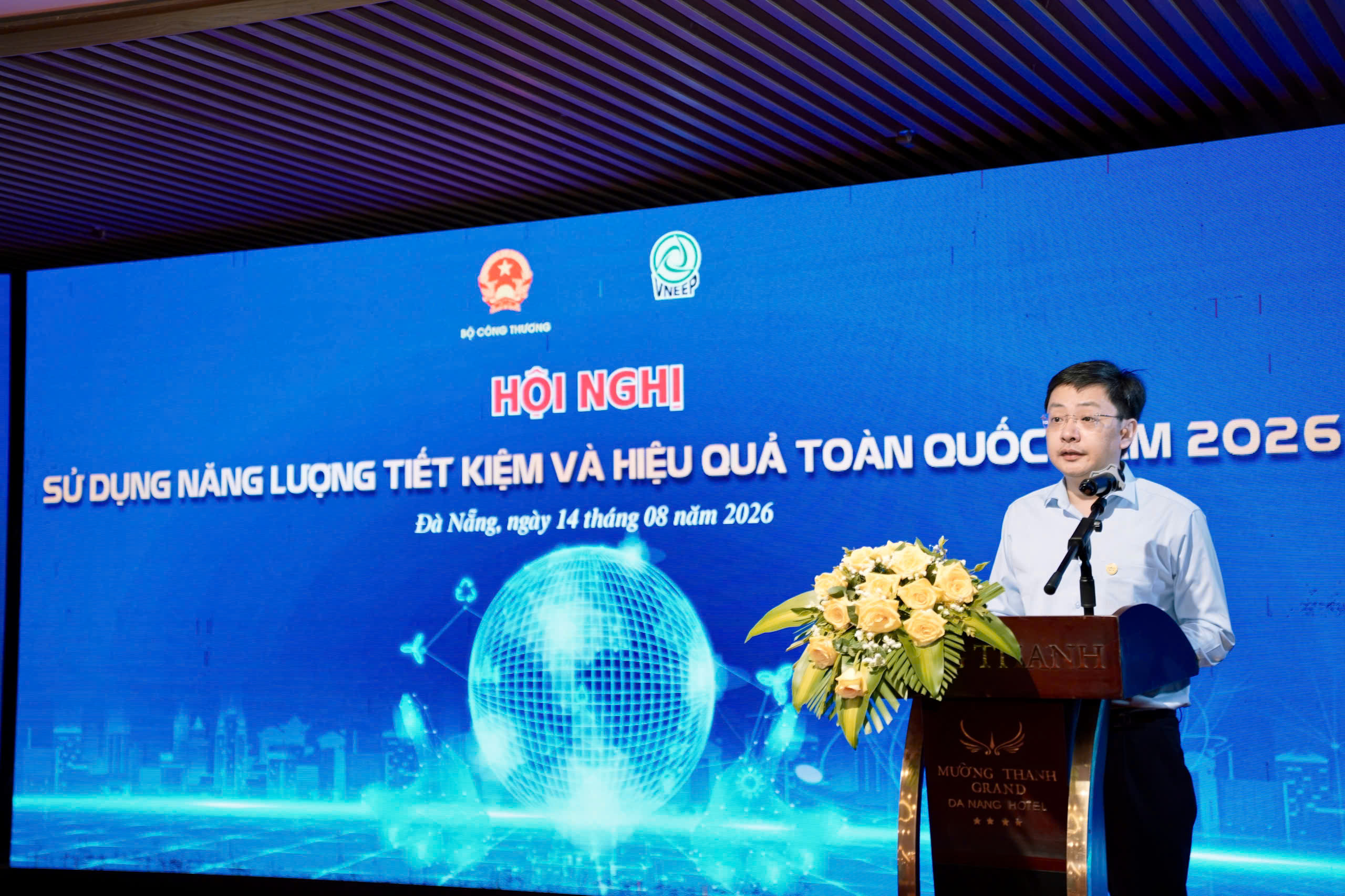
Mr. Dang Hai Dung, Deputy Director of the Innovation, Green Transition and Industry Promotion Agency (IGIP) under MOIT, delivers the opening remarks at the conference.
The year 2026 marks an important transition in the field of energy efficiency. Law No. 77/2025/QH15 and Decree No. 30/2026/ND-CP have come into effect, while Directive No. 09/CT-TTg continues to call for decisive implementation of energy and electricity-saving measures. The new legal framework introduces a new governance approach from the central to local levels, requiring the implementation of the “clearly defined” principles: clear responsibilities, clear tasks, clear content, clear timelines, and clear results.
The new legal framework provides a basis for strengthening the responsibilities of government authorities, local administrations, and energy-using facilities; promoting energy audits; applying energy management systems; investing in technological innovation; and mobilizing resources from society. The key requirement for the coming period is to translate energy efficiency regulations and solutions into coordinated and substantive action, with results that can be effectively monitored and measured.
“The conference provides an opportunity for localities to share their difficulties and challenges in implementing energy efficiency measures and integrating them into governance as they transition to the two-tier local government model. Based on these inputs, the Innovation, Green Transition and Industry Promotion Agency can consolidate the issues and advise competent authorities on developing legal documents to address these challenges and promote energy efficiency nationwide,” Mr. Dang Hai Dung emphasized.
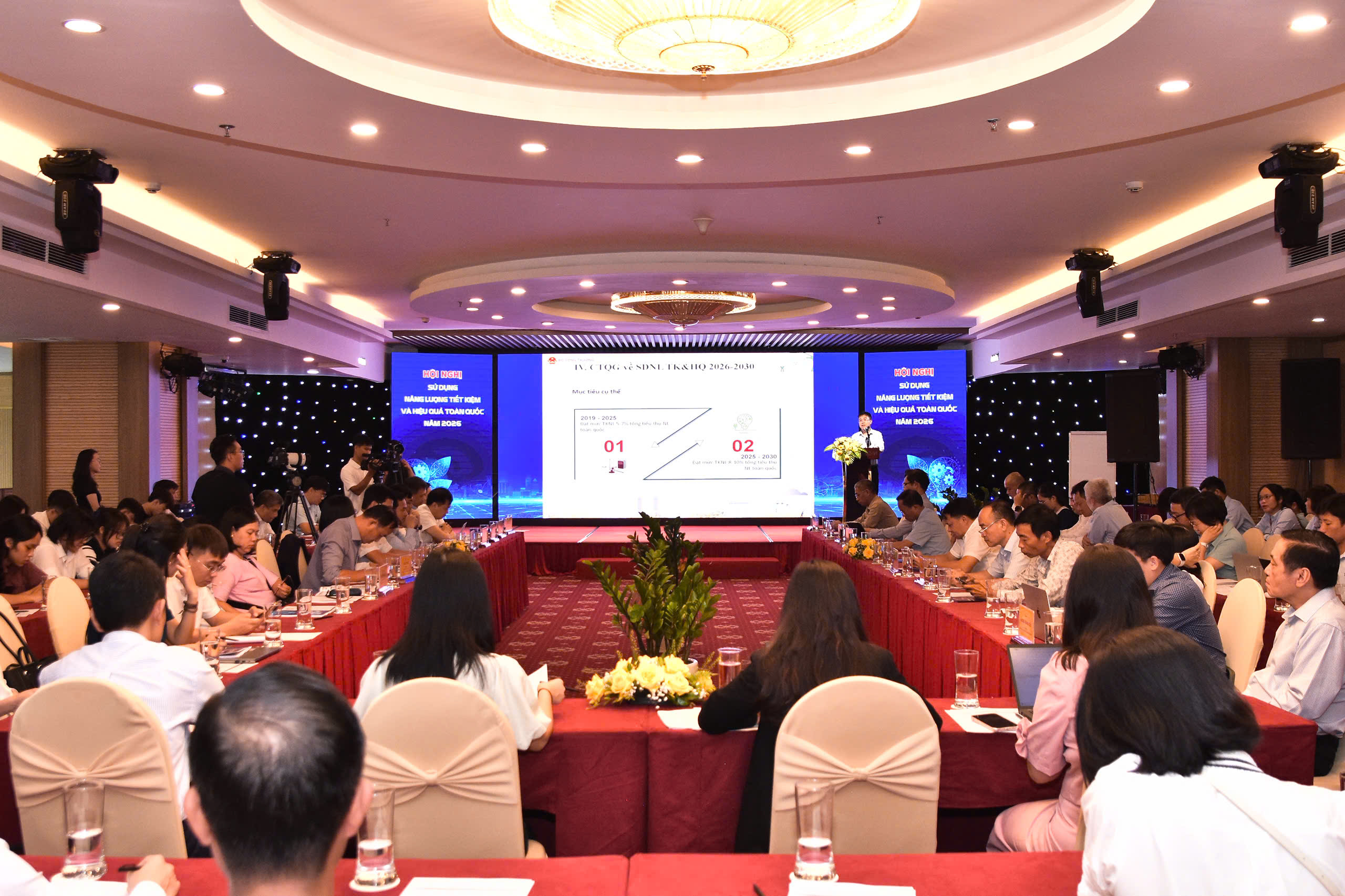
The conference was organized as part of the implementation of the Vietnam National Energy Efficiency Programme for the 2019–2030 period (VNEEP3).
From the local perspective, Mr. Nguyen Thanh Quang, Deputy Director of the Da Nang Department of Industry and Trade, said that 2026 is an important year for further translating the major orientations of the Government on green transition, low-carbon economic development, improved resource efficiency, and implementation of Vietnam’s international commitments on climate change into concrete action. Against this backdrop, energy efficiency needs to be approached from a new perspective.
Energy efficiency does not mean restricting development. Rather, it means using energy more intelligently and generating greater value from each unit of energy consumed, thereby reducing production costs, improving competitiveness, reducing emissions, and creating additional room for economic growth.
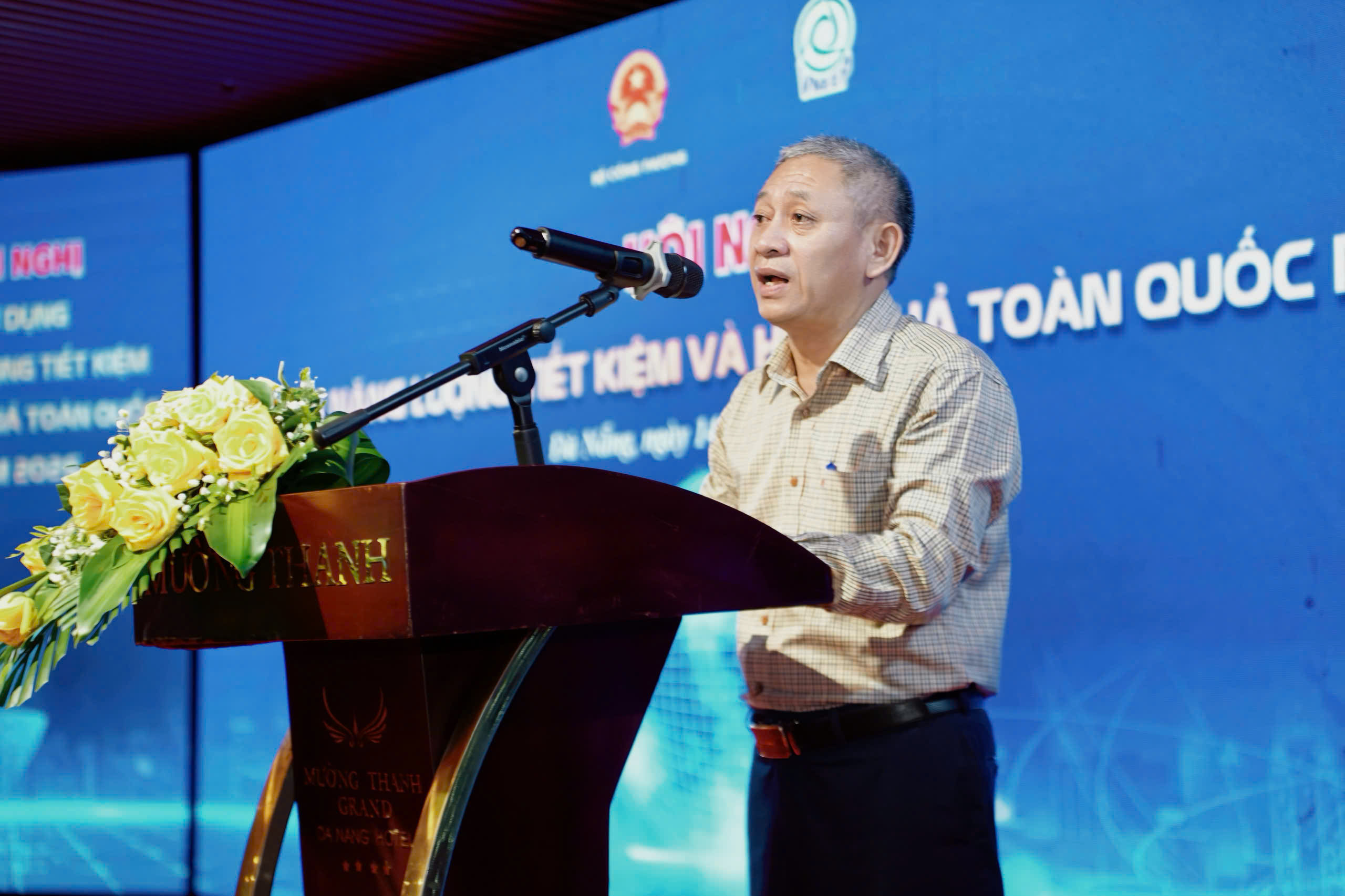
Mr. Nguyen Thanh Quang, Deputy Director of the Da Nang Department of Industry and Trade.
The potential for energy savings across the economy remains substantial, particularly in energy-intensive industries, production facilities using outdated and low-efficiency technologies, commercial and service buildings, transportation, and the residential sector. “To make energy efficiency an integral component of competitiveness, productivity, quality, and the quality of economic growth, we need to move decisively from a conventional awareness-raising approach toward modern energy management. We need to shift from individual energy-saving measures to integrated investment programs; from behavioral changes to technological innovation; and from energy savings at individual facilities to optimized energy use at the sectoral, urban, and economy-wide levels,” Mr. Quang emphasized.
Numerous notable achievements
At the conference, Mr. Hoang Viet Dung, Deputy Head of the Energy Efficiency and Green Transition Department under IGIP - MOIT, presented a report on several results achieved through the implementation of the National Program on Energy Efficiency. Mr. Dung said that in 2025 and the first six months of 2026, localities developed, issued, and implemented plans for the Program at the local level for 2026 and the 2026–2030 period. The national electricity-saving program achieved an annual electricity-saving rate of more than 2% during 2020–2025. The electricity loss rate also decreased from 7.47% in 2017 to 6.00% in 2025.
Notable results of VNEEP3 (2019–2025) include: 95% of household and industrial products covered by the energy labeling program, encompassing nearly 30 product categories and more than 40,000 products available on the market; Market transformation and support for businesses resulted in the elimination of 45 million incandescent light bulbs; air-conditioner energy efficiency improved by 13% per year; and 12 testing laboratories were established nationwide; Technical assistance was provided to 2,000 enterprises to conduct energy audits and establish energy management models; 5,355 energy expert certificates were issued; Energy data were digitized for 3,500 designated energy-consuming facilities; The national energy-efficiency information portal ( tietkiemnangluong.com.vn) reached more than 60.5 million visits, contributing to the dissemination of energy-efficiency knowledge; and Annual electricity savings reached at least 2.0% of total electricity consumption.
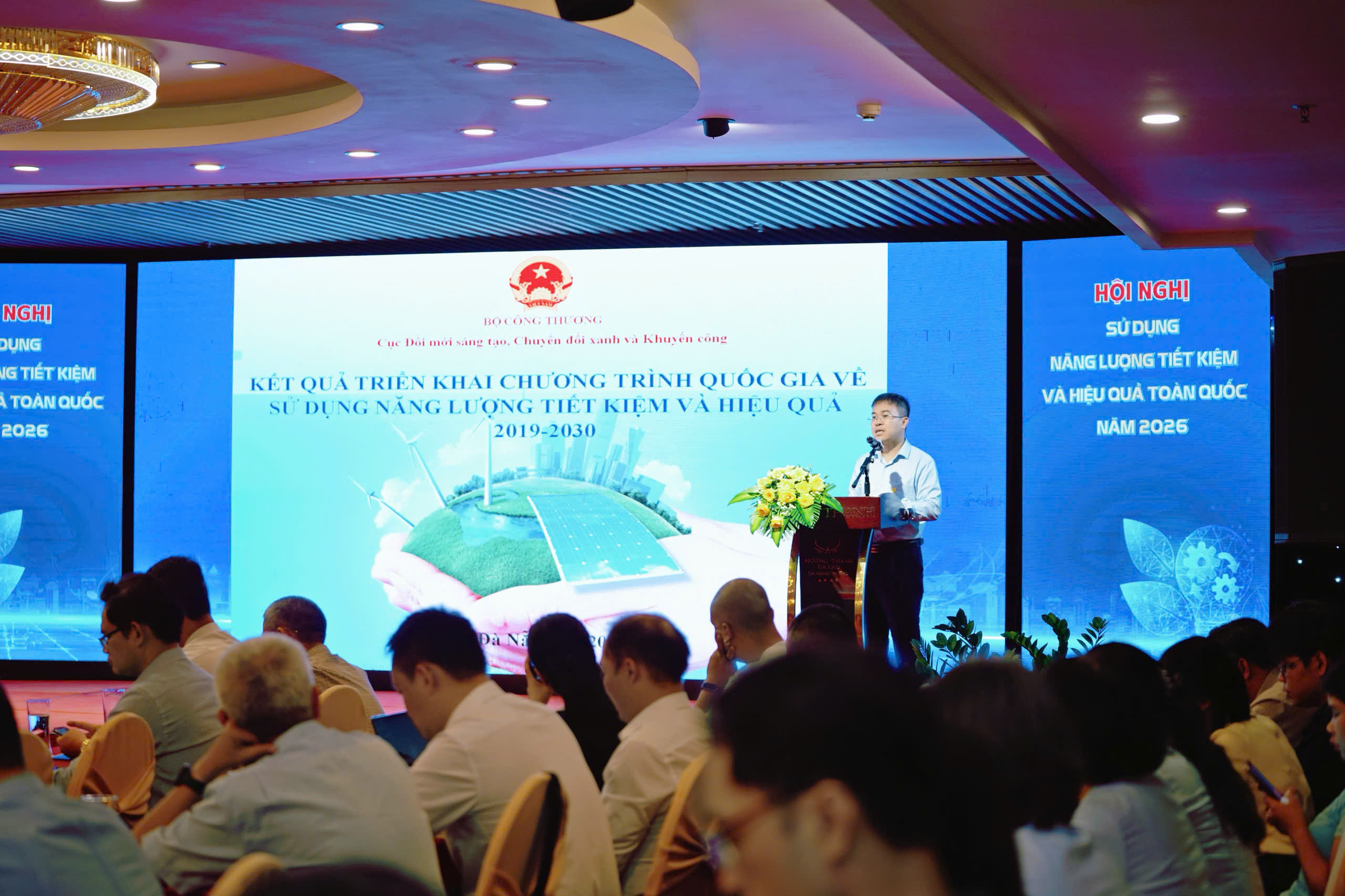
Mr. Hoang Viet Dung, Deputy Head of the Energy Efficiency and Green Transition Department under IGIP - MOIT, presents the report at the conference.
The key priorities for implementing the Program in 2026 include: Submitting for promulgation and providing guidance on the implementation of legal regulations on energy efficiency; Submitting to the Prime Minister a proposal to establish the Energy Efficiency Promotion Fund; Strengthening capacity-building and training for government authorities, organizations, and individuals; Promoting communication and awareness-raising on energy efficiency and electricity conservation; Developing, scaling up, and supporting investment in exemplary production and business models for energy efficiency and electricity conservation; Strengthening international cooperation; and Increasing inspection, monitoring, and follow-up to ensure compliance with legal requirements on energy efficiency and electricity conservation.
For the 2026–2030 period, the Program will continue to focus on improving the legal and policy framework; strengthening communication and public awareness and providing training on energy efficiency; promoting the use of high-efficiency equipment; strengthening inspection, monitoring, and enforcement of energy-efficiency regulations; enhancing capacity building for government authorities, organizations, and other stakeholders involved in energy-efficiency activities; and promoting energy efficiency and electricity conservation.
Mobilizing financial and technological resources for energy efficiency
At the conference, Mr. Pham Phan Dung, representing the research team for the Energy Efficiency Promotion Fund, shared information on the proposed Fund model. Mr. Dung said that the Energy Efficiency Promotion Fund is proposed as an off-budget state financial fund operating on a non-profit basis, with the ability to mobilize capital, provide loans, make investments, and undertake entrusted and entrusted-to activities to promote energy efficiency nationwide.
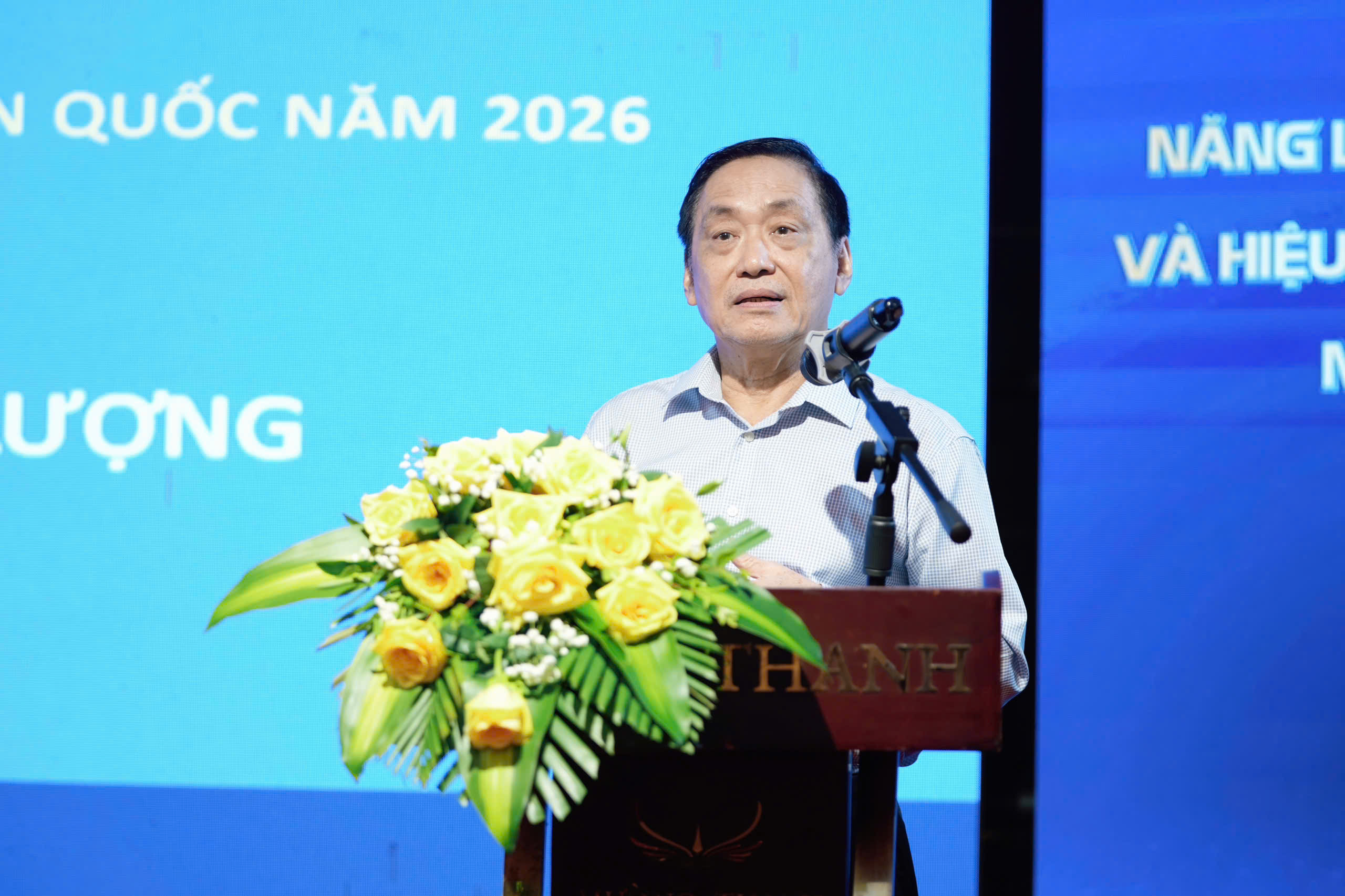
Mr. Pham Phan Dung, representative of the research team for the Energy Efficiency Promotion Fund.
The Fund's objectives include: Firstly, Recommending an organizational model, functions, responsibilities, management structure, and financial resources for the Fund that are consistent with Vietnam's legal framework and practical conditions; Secondly, Proposing a roadmap for establishing the Fund, including the structure of the draft Prime Minister's Decision and the roles and responsibilities of relevant ministries and agencies; and Thirdly, Identifying technical assistance and capacity-building needs for the Department of Innovation, Green Transition and Industrial Promotion (IGIP) and relevant stakeholders during the Fund's operation.
The Fund would operate on the following principles: non-profit operation; preservation of charter capital; exemption from taxes and state budget contributions in accordance with applicable laws; management and administrative costs funded by the state budget through the regular expenditure budget of MOIT; supervision, inspection, and auditing by competent state authorities; and transparent and equitable operations.
Roadmap for submitting the Fund for establishment by the Prime Minister, the proposed roadmap includes: July–August 2026: Finalize the establishment dossier and solicit comments from ministries, sectors, local authorities, and businesses; July–October 2026: Finalize the Fund's organizational and governance structure, develop its Charter, financial management mechanism, and Operations Manual; August–September 2026: Study international experience in Germany, Italy, Tunisia, and France, while consulting relevant Vietnamese authorities, including the Ministry of Finance, the State Bank of Vietnam, the Ministry of Justice, and the Ministry of Home Affairs; and October 2026: Submit to the Prime Minister for approval the decisions establishing the Fund, approving its Charter, and prescribing its financial management mechanism.
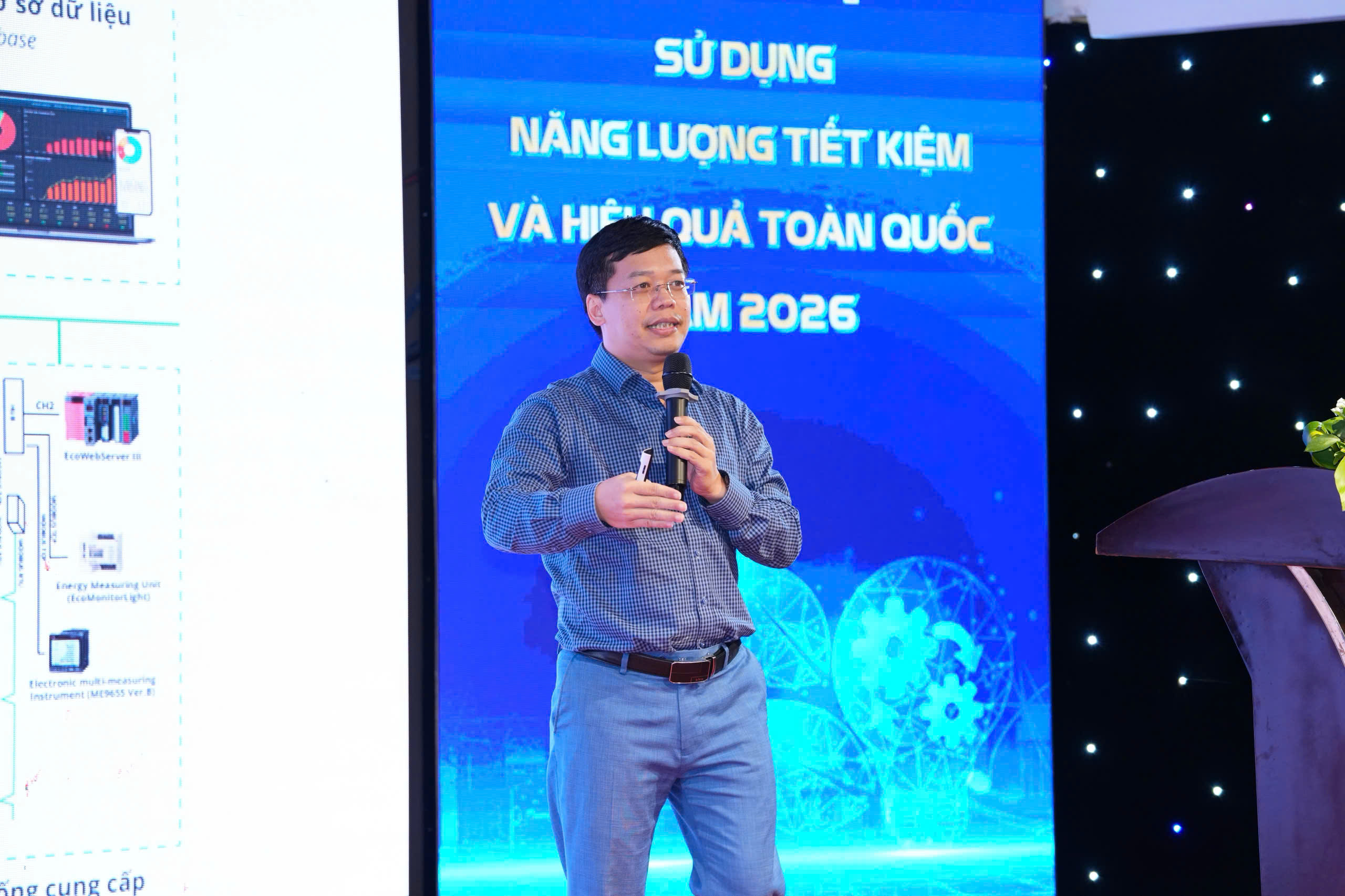
Mr. Duong Trung Kien, Chief Executive Officer of Vietnam Technology Solutions Joint Stock Company.
Regarding the role of IoT and AI in assessing, monitoring, and optimizing energy use in enterprises, Mr. Duong Trung Kien, Chief Executive Officer of Vietnam Technology Solutions Joint Stock Company, said that IoT and AI are key pillars of digital transformation in the energy sector, delivering comprehensive economic, operational, safety, and environmental benefits by reducing costs, improving equipment efficiency, and minimizing failures. In particular, IoT and AI provide the data foundation for Smart Factories and Smart Buildings, helping businesses gain a significant competitive advantage.
Putting energy efficiency measures into practice
Sharing the results of the electricity-saving program, Mr. Pham Viet Thach, Deputy Head of the Environment and Sustainable Development Department at Vietnam Electricity (EVN), said that during the first six months of the year, electricity-saving measures were implemented comprehensively among both customers and EVN's internal operations.
Internally, EVN strengthened electricity-saving efforts during peak-demand months. Its member companies developed annual electricity-saving plans, enhanced monitoring of electricity consumption at headquarters, offices, and production facilities, and promoted electricity-saving practices among employees both at work and at home.
At the local level, the Power Corporations proactively coordinated with People's Committees and Departments of Industry and Trade to advise on the development of electricity-saving plans and organize inspections of electricity use.
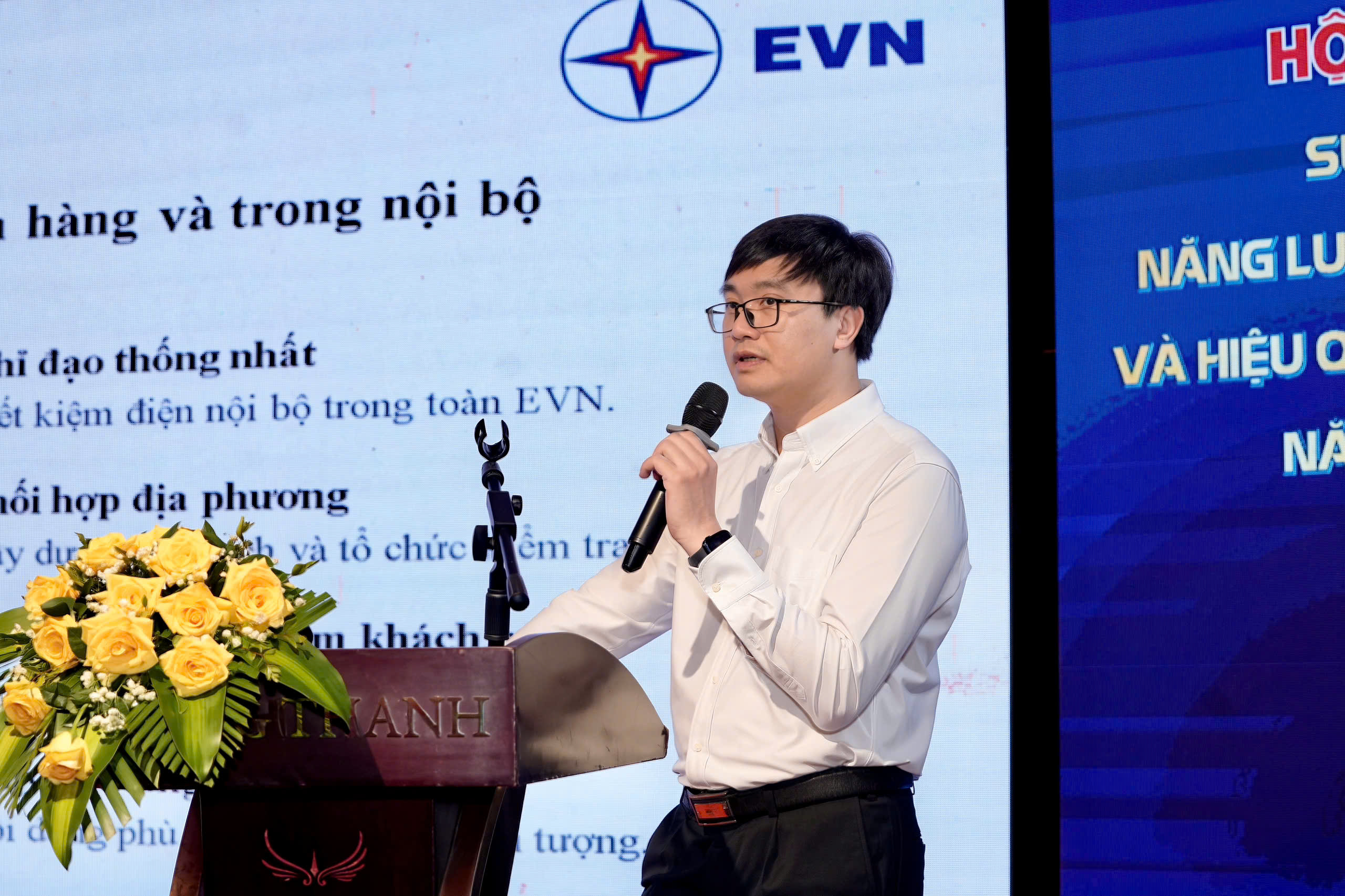
Mr. Pham Viet Thach, Deputy Head of the Environment and Sustainable Development Department at Vietnam Electricity (EVN).
For large electricity consumers and designated energy-consuming facilities, power companies increased direct engagement and guided energy audits, implementation of energy management systems, and optimization of equipment operation. For administrative and public-service facilities, power companies strengthened monitoring, issued alerts, and inspected customers with significantly increasing electricity consumption. For public lighting and advertising, power companies coordinated with local authorities to adjust operating schedules, reduce the number of lights during certain time periods, limit decorative lighting outside necessary hours, and gradually replace low-efficiency lighting equipment with LED lighting.
For households and schools, EVN and its member companies continued to promote simple and practical messages, such as setting air conditioners at 26°C or higher in combination with fans, turning off equipment when not in use, and limiting the use of high-capacity equipment during peak hours.
EVN continued to implement communication activities on a broad scale while increasingly tailoring them to specific target groups. In particular, the Group has strengthened the application of data and digital technologies. EVN and its member companies continue to apply digital technologies in electricity demand management, load monitoring, and the implementation of electricity-saving programs.
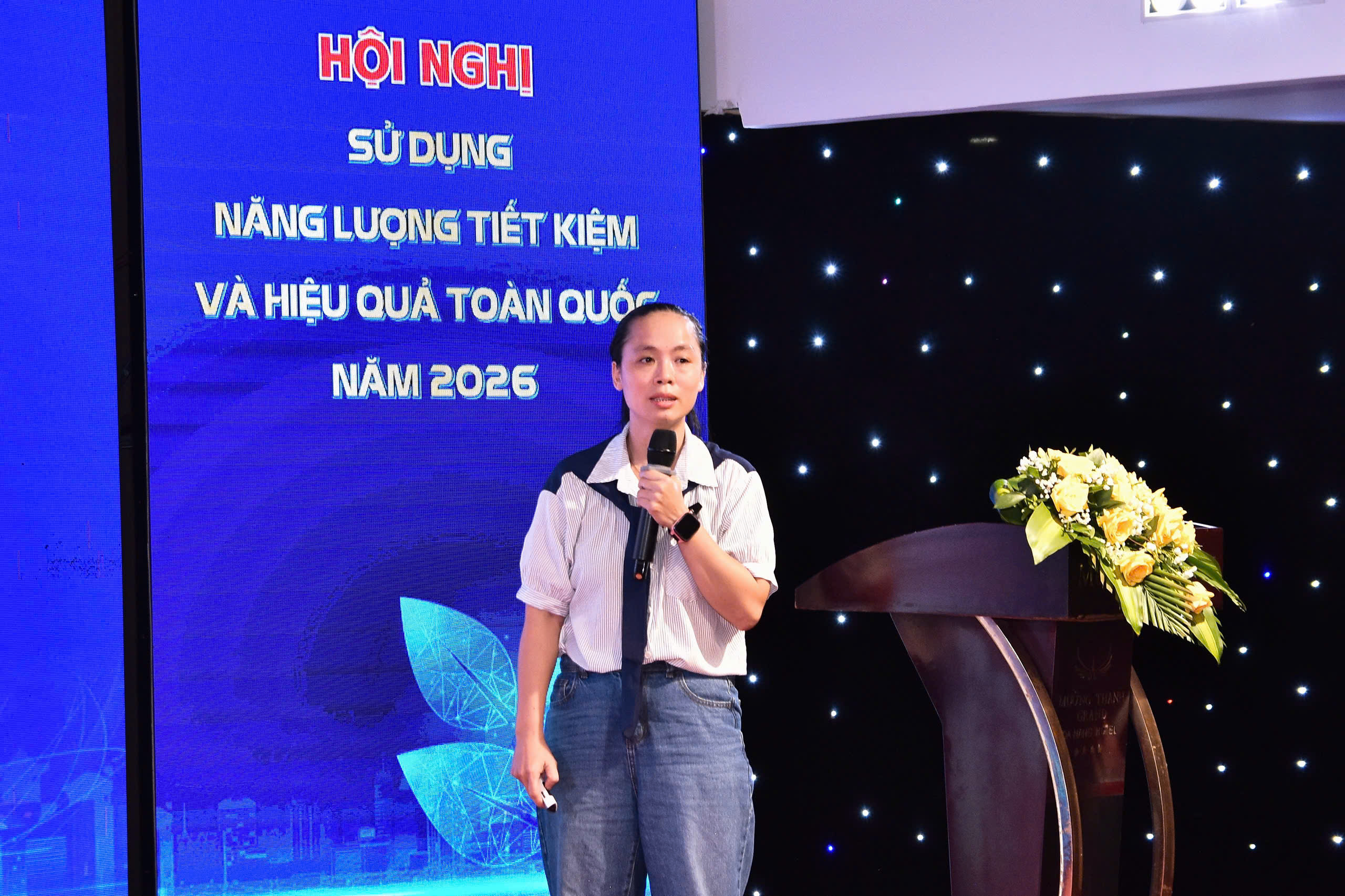
Ms. Le Thi Hoang from Asia Architecture and Trading Co., Ltd., shares the company's energy-efficiency solutions.
Sharing the company's energy-efficiency solutions, Ms. Le Thi Hoang from Asia Architecture and Trading Co., Ltd., Tân Long Paper and Packaging Factory, said that in 2025, the company's total energy consumption was 9,429.77 TOE. According to her, using energy efficiently is no longer an option but a prerequisite for the company's survival and development.
The solutions implemented by the company include insulating steam pipelines; optimizing steam and compressed-air systems; investing in presses and material-conveying conveyors to reduce material losses; implementing an ISO 50001:2018 energy management system to optimize processes, reduce costs, and improve efficiency; installing and using rooftop solar power; and replacing low-efficiency motors with high-efficiency motors. “The energy-efficiency solutions we have implemented have helped the company improve energy efficiency and reduce emissions, with short payback periods,” Ms. Hoang added.
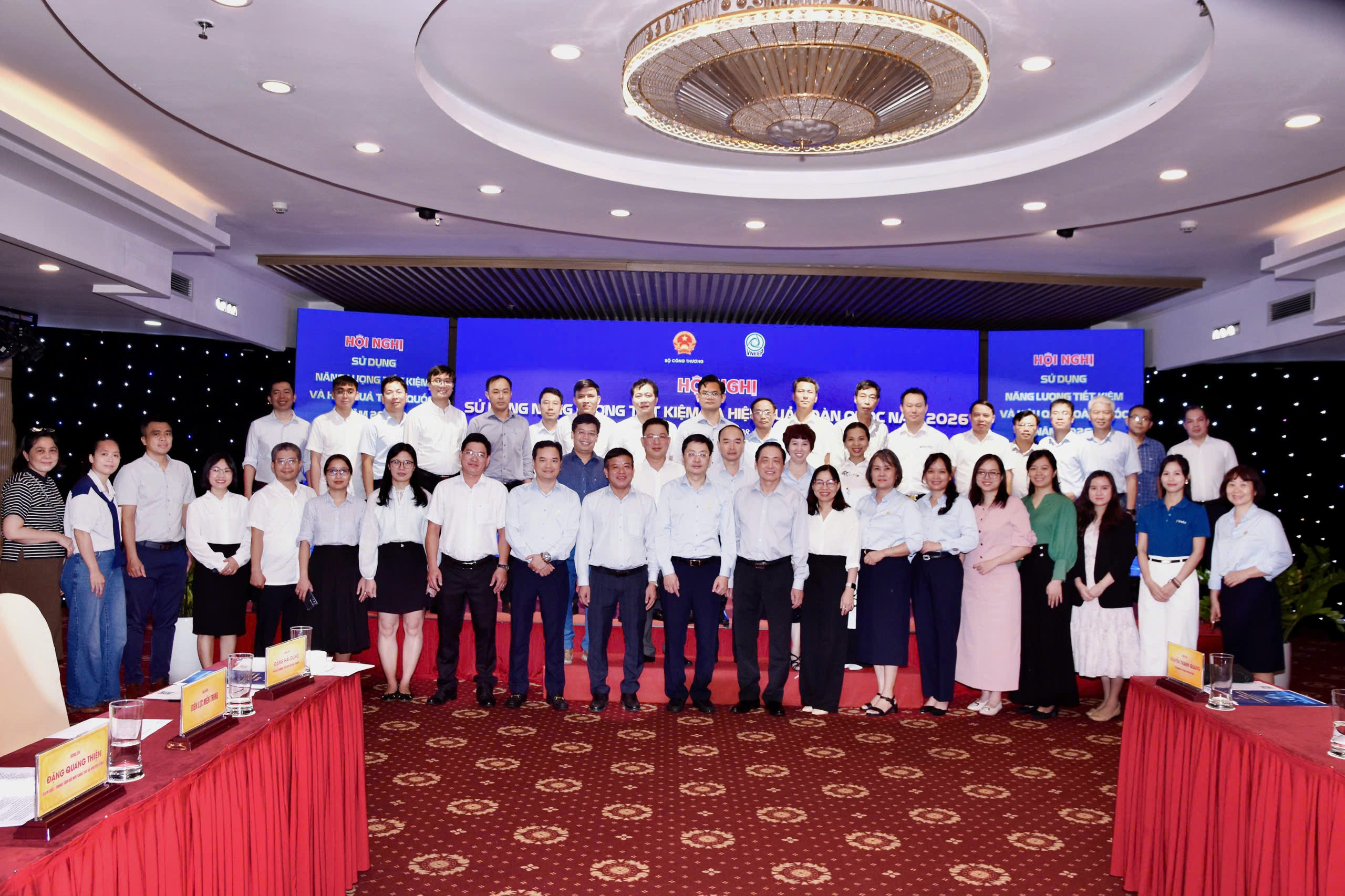
Within the framework of the Conference, delegates discussed the results of VNEEP3 implementation through June 2026 and orientations for 2027; the proposed Energy Efficiency Promotion Fund; results of the electricity-saving program; experience in entrusted fund management and lending for energy-efficiency projects; energy-efficiency solutions for businesses; and the application of IoT and artificial intelligence in assessing, monitoring, and optimizing energy use.
The discussions at the Conference provided important practical input for the Department of Innovation, Green Transition and Industrial Promotion to continue its research and advise MOIT leadership on improving mechanisms and policies and enhancing the effectiveness of Program implementation during the 2026–2030 period. In particular, local authorities need to strengthen guidance, inspection, and enforcement of legal requirements and provide support to designated energy-consuming facilities; businesses should proactively develop projects, invest in high-efficiency equipment, and adopt digital technologies; while banks, funds, financial institutions, and consulting organizations should develop appropriate financial products and work alongside businesses.
By connecting government authorities, local administrations, the power sector, financial institutions, experts, and the business community, the Conference contributed to sharing experience, scaling up effective models, and mobilizing greater resources for energy-efficiency activities nationwide.