Consultation on the Draft of the Vietnam Energy Efficiency Fund Establishment
Thứ hai, 17/08/2026 - 13:45
On the morning of August 13, 2026, in Da Nang City, the Ministry of Industry and Trade (MOIT) organized a consultation workshop on the Draft of the Vietnam Energy Efficiency Fund Establishment.
The workshop was attended by representatives from the Government Office, ministries and central agencies; Departments of Industry and Trade of provinces and centrally governed cities; representatives of energy-sector corporations and general corporations; local energy efficiency, industrial promotion, and industrial development consulting centers; financial institutions and banks; as well as the business community.
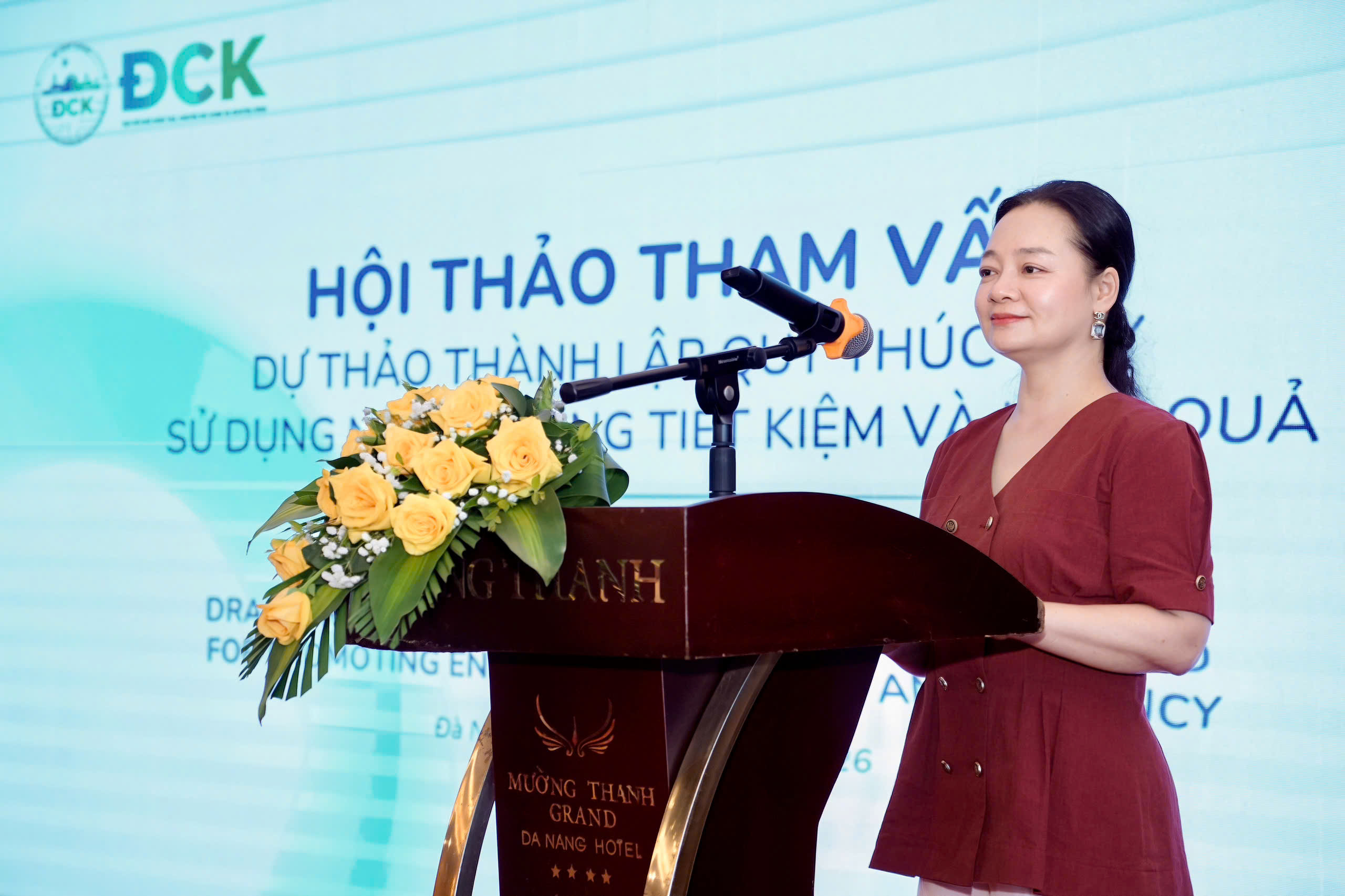
Ms. Nguyen Thi Lam Giang, Director General of the Innovation, Green Transition and Industry Promotion Agency (IGIP - MOIT), delivered the opening remarks.
In her opening remarks, Ms. Nguyen Thi Lam Giang, Director IGIP under MOIT, said that over the past years, the Vietnam National Energy Efficiency Programme (VNEEP) has been implemented nationwide, contributing to greater awareness, strengthened capacity, and wider adoption of energy efficiency solutions across sectors and fields. Energy efficiency is not only a solution that contributes to national energy security but also brings direct benefits to businesses by reducing production costs, improving energy performance and productivity, and enhancing competitiveness.
According to Ms. Nguyen Thi Lam Giang, significant energy-saving potential remains across industry, construction, commerce, and many other areas of the economy. Many businesses have proactively upgraded production lines, replaced inefficient equipment, optimized systems, and invested in new technologies. However, one of the major bottlenecks remains access to capital and financing. Therefore, designing and establishing an Energy Efficiency Promotion Fund is of great importance.
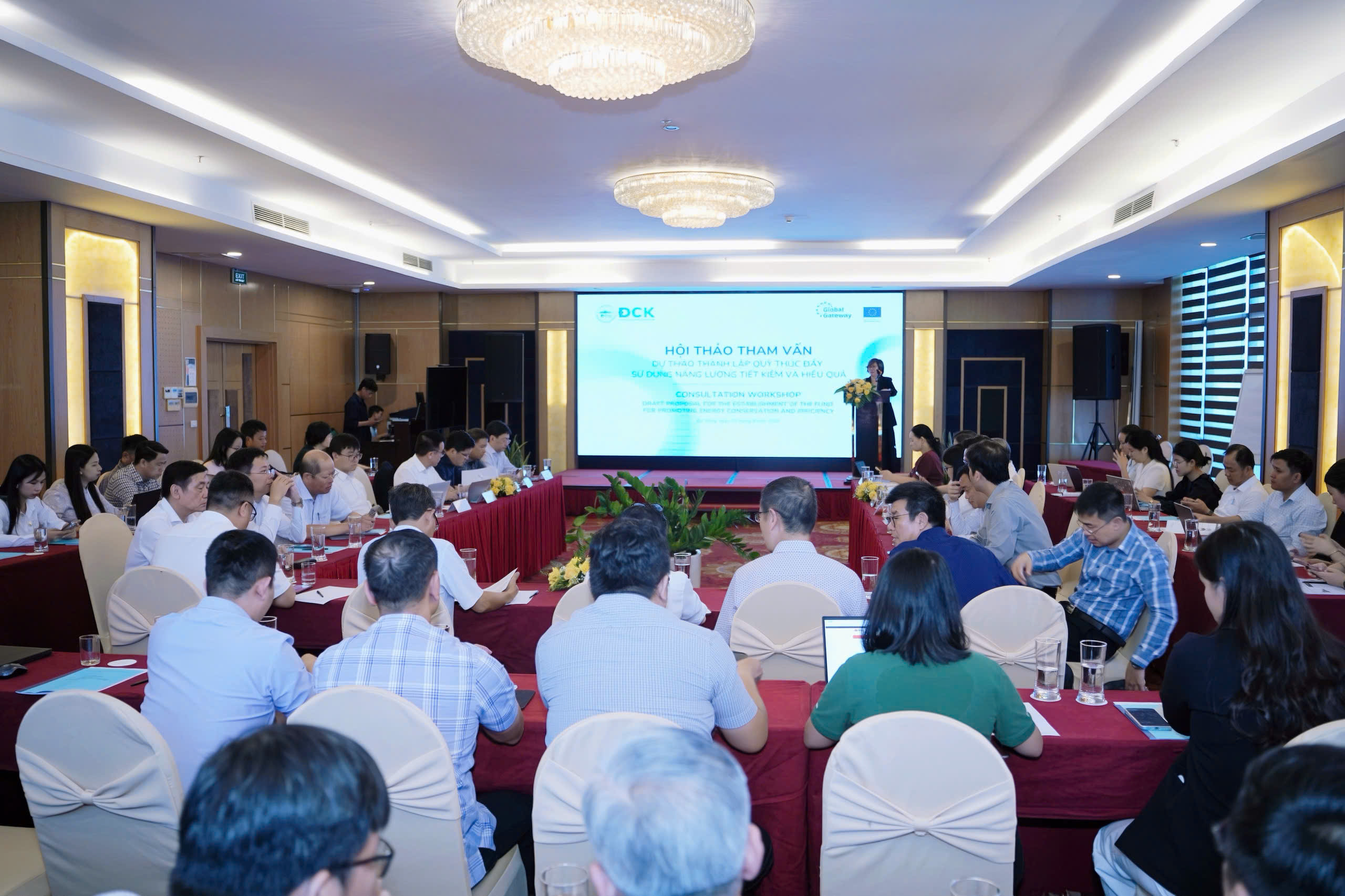
The workshop provided an important basis for MOIT to further refine the proposed model of the Vietnam Energy Efficiency Promotion Fund.
The proposed Vietnam Energy Efficiency Promotion Fund is designed as a financial instrument to mobilize and connect resources from the Government, the private sector, financial institutions, and development partners for energy efficiency. The Fund could also connect technical and international resources to support businesses in energy audits, project preparation, human resource training, and technology transfer. The value of the Fund would not lie solely in providing an additional source of financing; more importantly, it would create an ecosystem supporting businesses throughout the entire process—from identifying energy-saving potential and preparing projects to receiving technical assistance, mobilizing capital, implementing investments, and achieving energy-saving results.
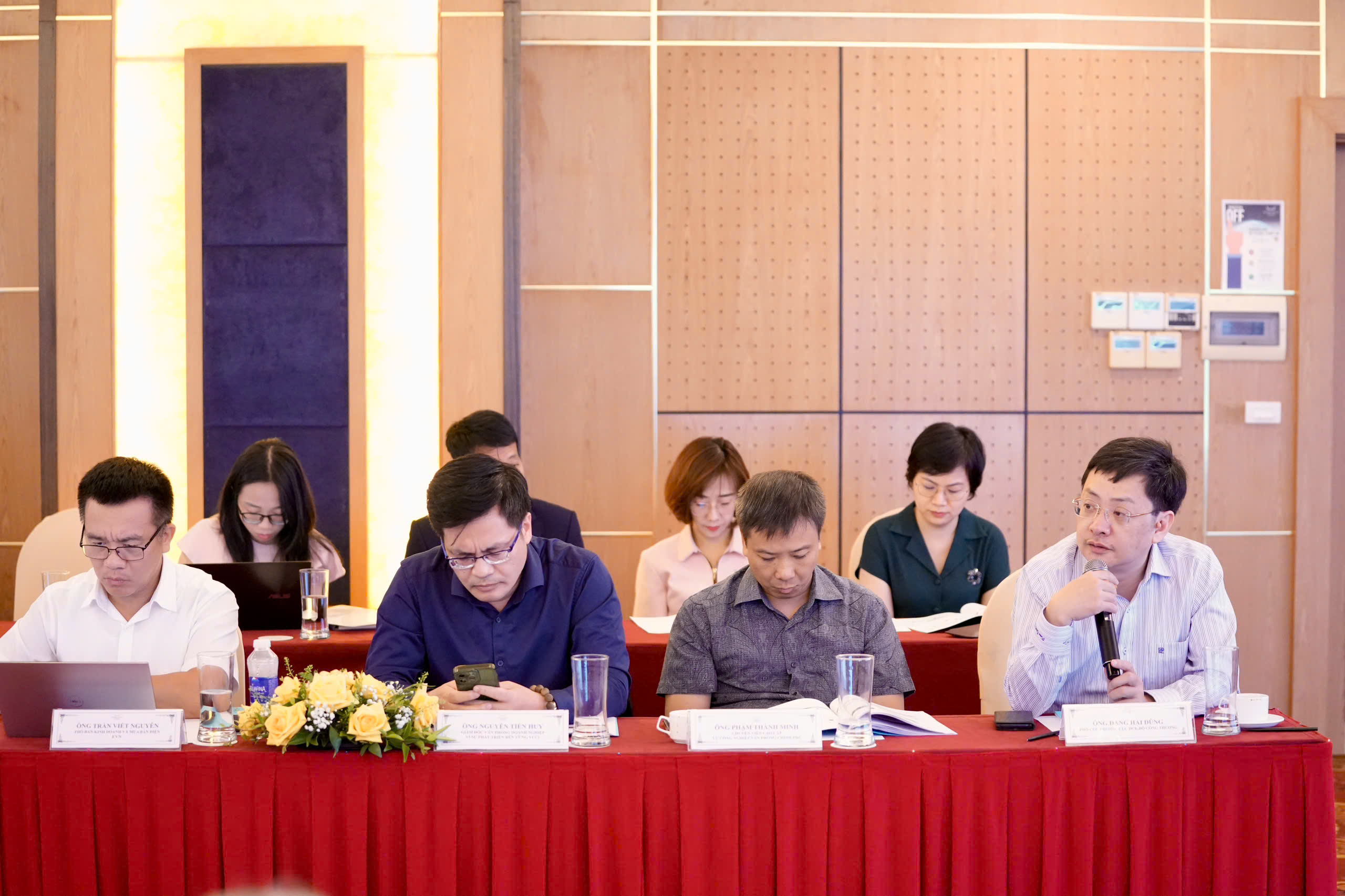
The workshop provided an opportunity for participants to discuss and raise questions regarding the proposed Vietnam Energy Efficiency Promotion Fund.
“For the Vietnam Energy Efficiency Promotion Fund to truly operate effectively, we need to jointly discuss its organizational and operational model, funding sources and management mechanisms, financial instruments, as well as the conditions and procedures that would enable businesses to access the Fund’s resources in a convenient, transparent, and effective manner,” Ms. Nguyen Thi Lam Giang emphasized.
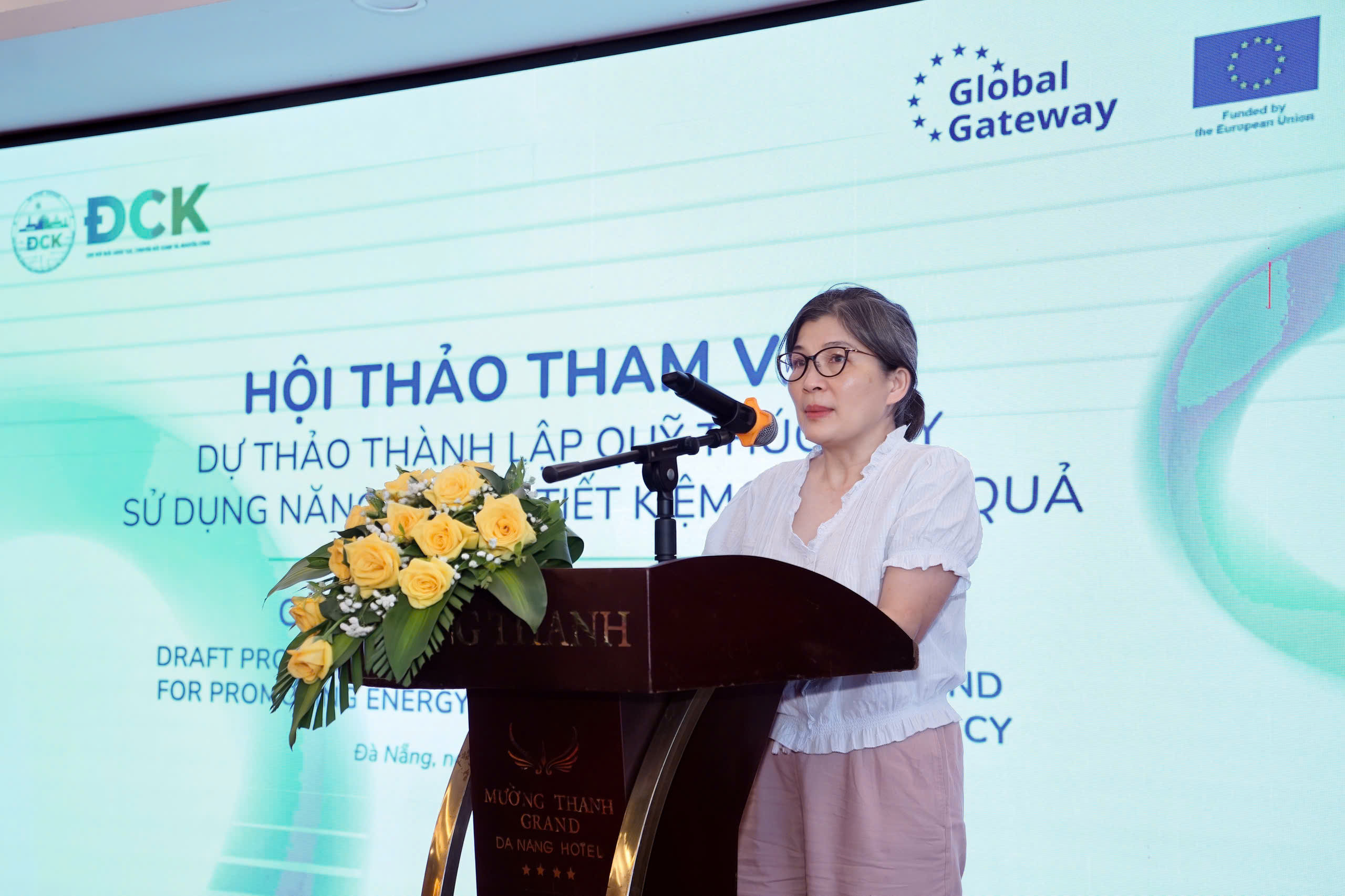
Ms. Tran Thuy Duong, Director of the EU - Vietnam Sustainable Energy Transition Programme (SETP), representing the Delegation of the European Union to Vietnam.
Ms. Tran Thuy Duong, Director of the Vietnam–EU Sustainable Energy Transition Programme (SETP) and representative of the Delegation of the European Union to Vietnam, said that the workshop was part of a technical assistance study aimed at providing recommendations to the Authority for Innovation, Green Transition and Industrial Promotion for developing the energy efficiency fund model. The study examined international experience, particularly experience from EU countries, as well as lessons learned from relevant funds in Vietnam.
“The workshop provides an opportunity to exchange views and discuss specific issues presented in the study, including the Fund’s model, organizational structure, operating mechanism, financial resources, forms of support, and roadmap for establishing the Fund,” Ms. Tran Thuy Duong emphasized.
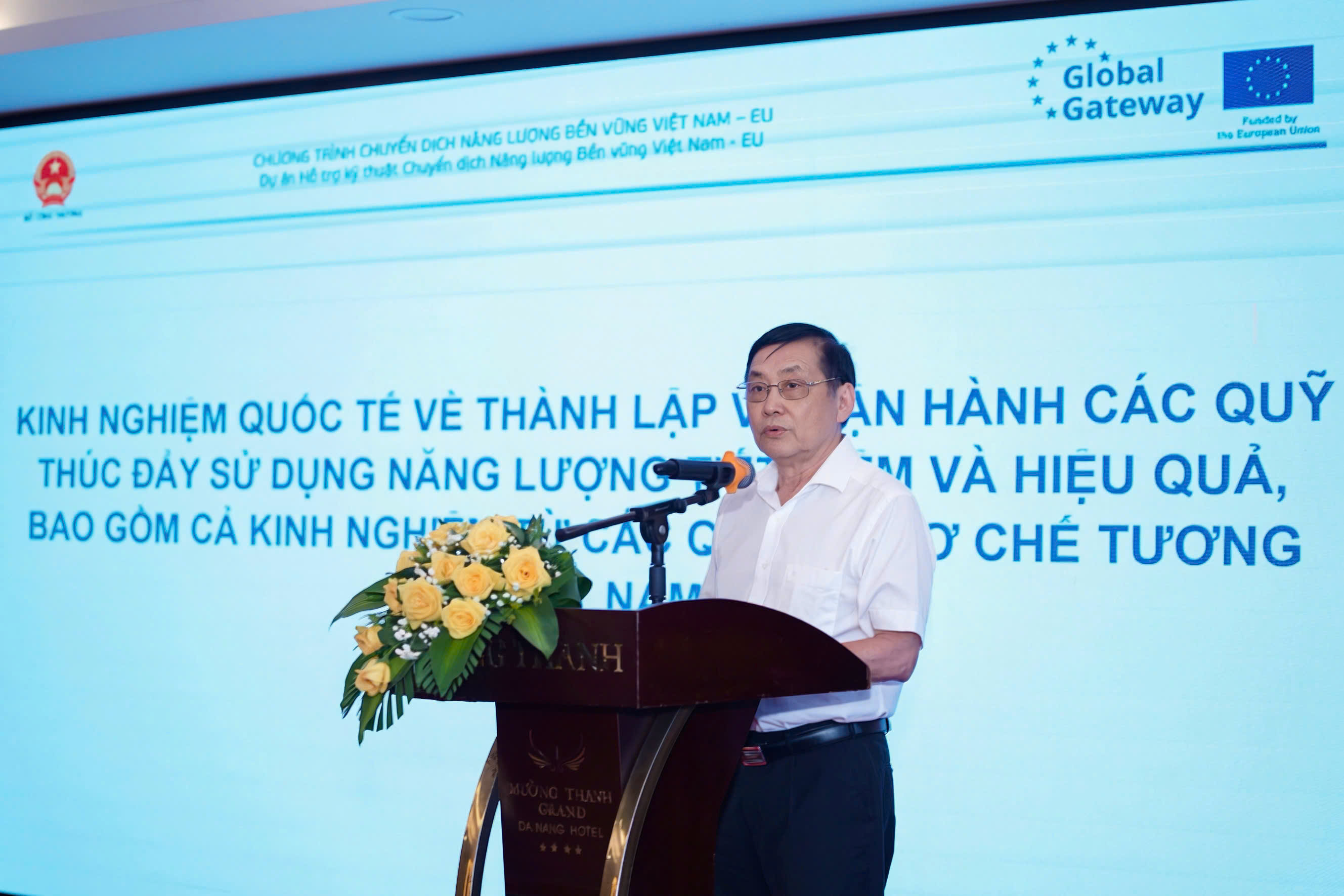
Mr. Pham Phan Dung, representing the research team, shared international experience in implementing energy efficiency and conservation funds.
At the workshop, Mr. Pham Phan Dung, representing the research team, shared international experience in implementing energy efficiency and conservation funds, including lessons from similar funds in Vietnam. According to Mr. Dung, a review of international experience across 10 countries identified 16 funds, which can be categorized into five business-model groups: Direct financial fund model; Grant fund model; Financial intermediary and risk-sharing model; Market-obligation-based policy model; and Blended fund model. Among these, the most successful models have generally combined multiple financial instruments with technical cooperation mechanisms and project quality-control measures.
In Vietnam, four relevant types of funds were identified: direct public financial funds, development investment funds, green investment funds, and local development investment funds.
Regarding the proposed direction for establishing the Vietnam Energy Efficiency Promotion Fund, Mr. Dung outlined five key principles: First, the Fund should be positioned as a policy-oriented financial instrument that catalyzes the market, rather than replacing commercial financing channels, with a focus on risk sharing. Second, the Fund should adopt a multi-instrument financial model, flexibly combining forms of support such as concessional lending. Third, the establishment and operation of the Fund should be closely integrated with the existing financial and banking system. Fourth, the Fund should be incorporated into the broader policy framework for the energy transition, green growth, and implementation of Vietnam’s international commitments, including the Net Zero target, the Just Energy Transition Partnership (JETP), and carbon-market development. Fifth, the Fund’s governance model should ensure relative independence, professionalism, transparency, and effective oversight, while clearly separating energy-management functions from the management and operation of the Fund.
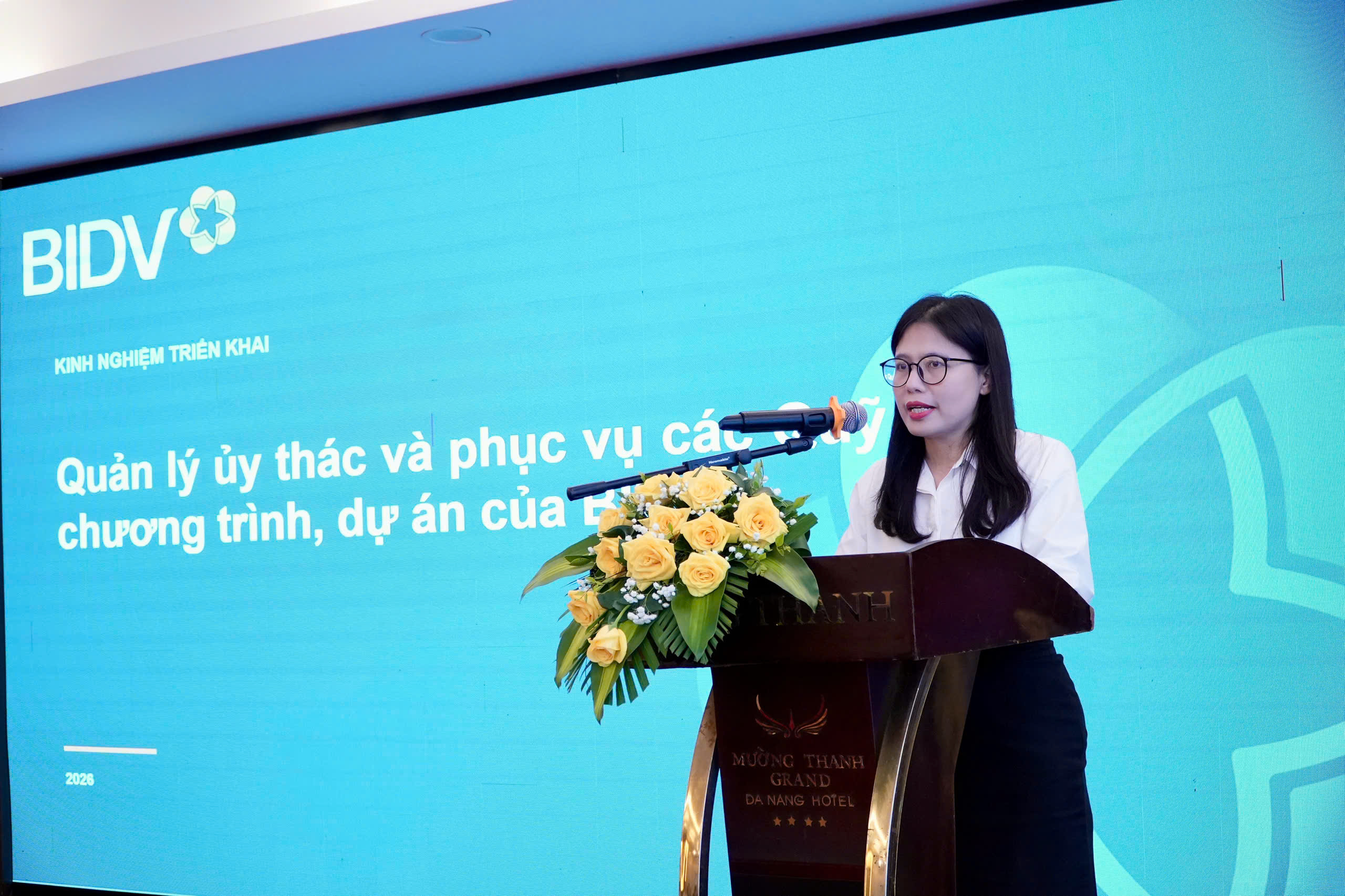
Ms. Dinh Huong Thuy, Deputy Director of the Financial Institutions Division at BIDV.
Sharing BIDV’s experience in managing entrusted lending from various funds and projects, Ms. Dinh Huong Thuy, Deputy Director of the Financial Institutions Division at BIDV, said that BIDV has experience implementing projects involving both non-credit-risk and credit-risk arrangements, as well as acting as an entrusted bank and managing funding provided by the Government and development partners.
In terms of experience serving domestic funds, BIDV has been selected by numerous ministries, agencies, and government bodies to support the implementation of off-budget state financial funds, including the Vietnam Environmental Protection Fund, Small and Medium Enterprise Development Fund, National Foundation for Science and Technology Development, National Technology Innovation Fund, and National Data Development Fund, among others.
Regarding its potential role in supporting the Energy Efficiency Promotion Fund, BIDV would act as an entrusted lending bank, receiving and deploying entrusted funds from the Fund, as well as a servicing bank, providing account infrastructure and integrated banking services.
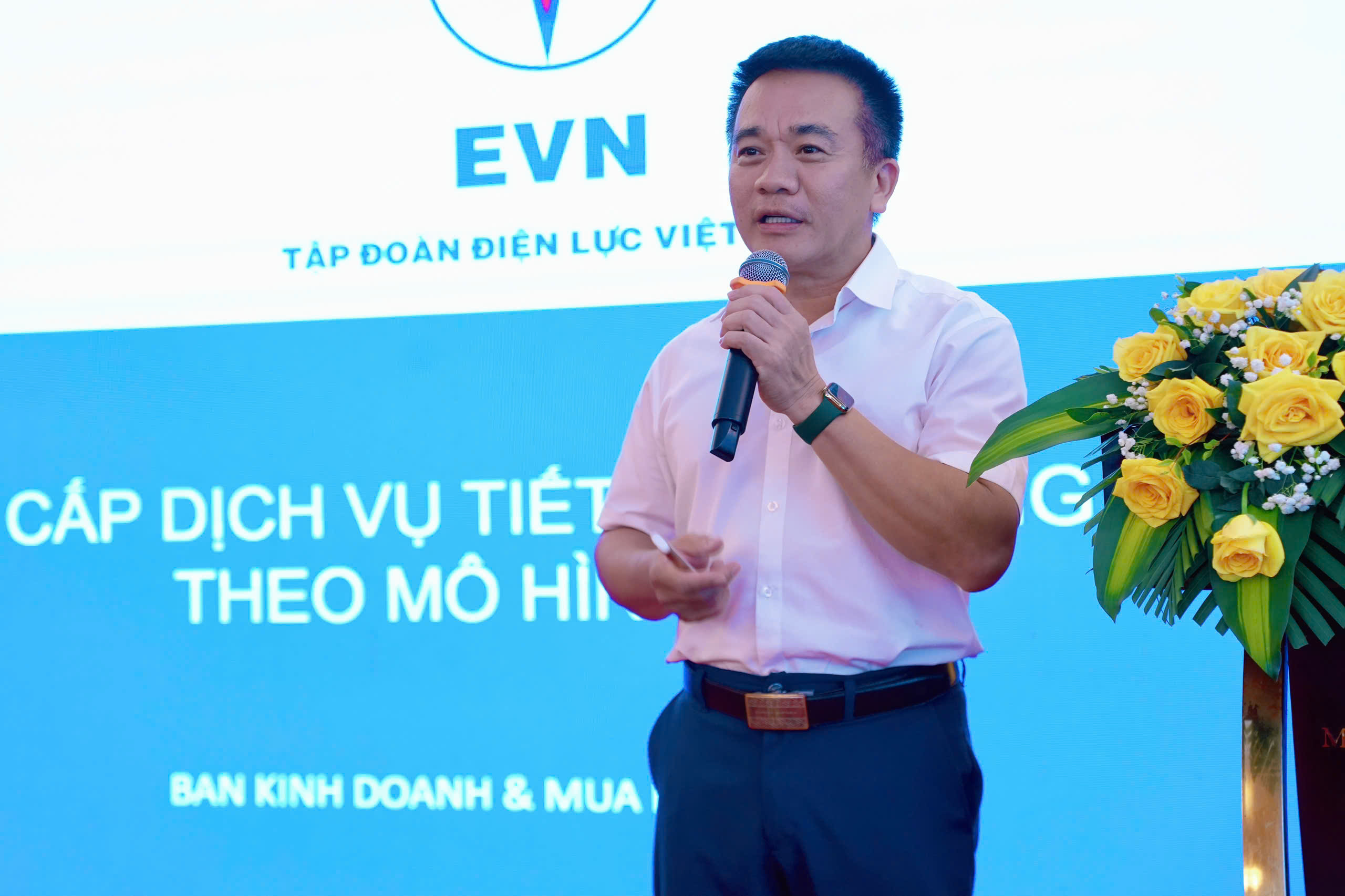
Mr. Tran Viet Nguyen, Deputy Head of the Business Division at Vietnam Electricity (EVN), shared experience in implementing the ESCO model.
At the workshop, Mr. Tran Viet Nguyen, Deputy Head of the Business Division at Vietnam Electricity (EVN), shared his experience in implementing energy efficiency investment projects under the ESCO model. According to Mr. Nguyen, EVN’s ESCO model operates through energy efficiency performance contracts. The two main types of ESCO contracts include guaranteed savings contracts and shared savings contracts.
Alongside the advantages, the implementation of ESCO projects continues to face several challenges, including the lack of a comprehensive legal framework and regulations for ESCOs, limited communication and awareness, financial constraints, risks associated with capital recovery, and limitations in the ESCO market, including solutions, training, expert capacity, and technical support.
EVN recommended the establishment of an energy efficiency promotion fund; standardization of measurement and verification (M&V) procedures; independent appraisal and assessment and publication of a list of qualified ESCOs; development of accounting guidelines for entities using state-budget funds; and establishment of a Vietnam ESCO Association.
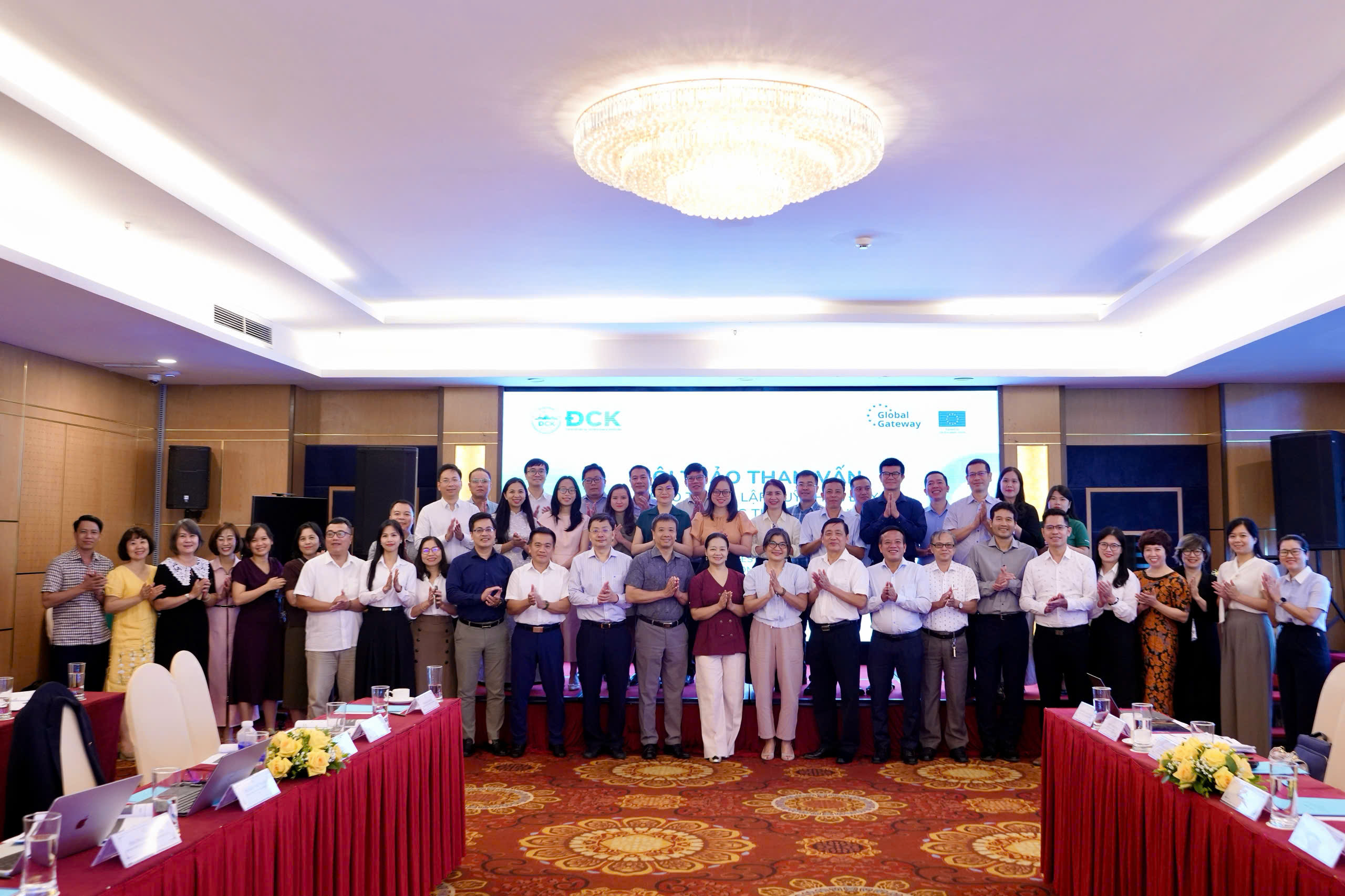
The workshop also provided time for participants to discuss and raise questions regarding the Energy Efficiency Promotion Fund.
The contributions and recommendations made at the workshop will provide an important basis for MOIT to further refine the Energy Efficiency Promotion Fund model, ensuring that the Fund is feasible, effective, transparent, and sustainable, and that it can genuinely serve as a tool to promote energy efficiency investment on a larger scale.
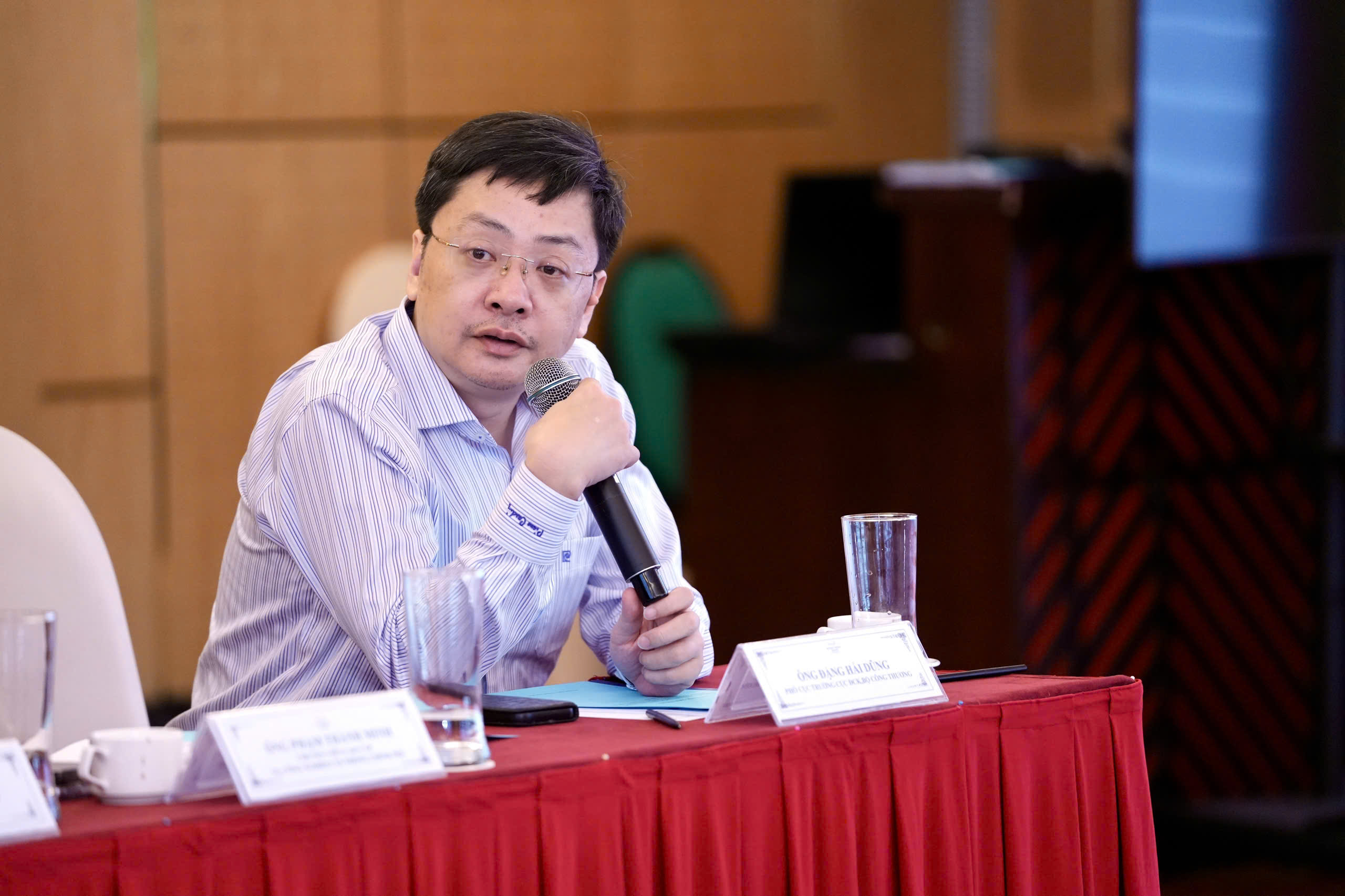
Mr. Dang Hai Dung, Deputy Director of IGIP-MOIT, participating in discussions at the workshop.
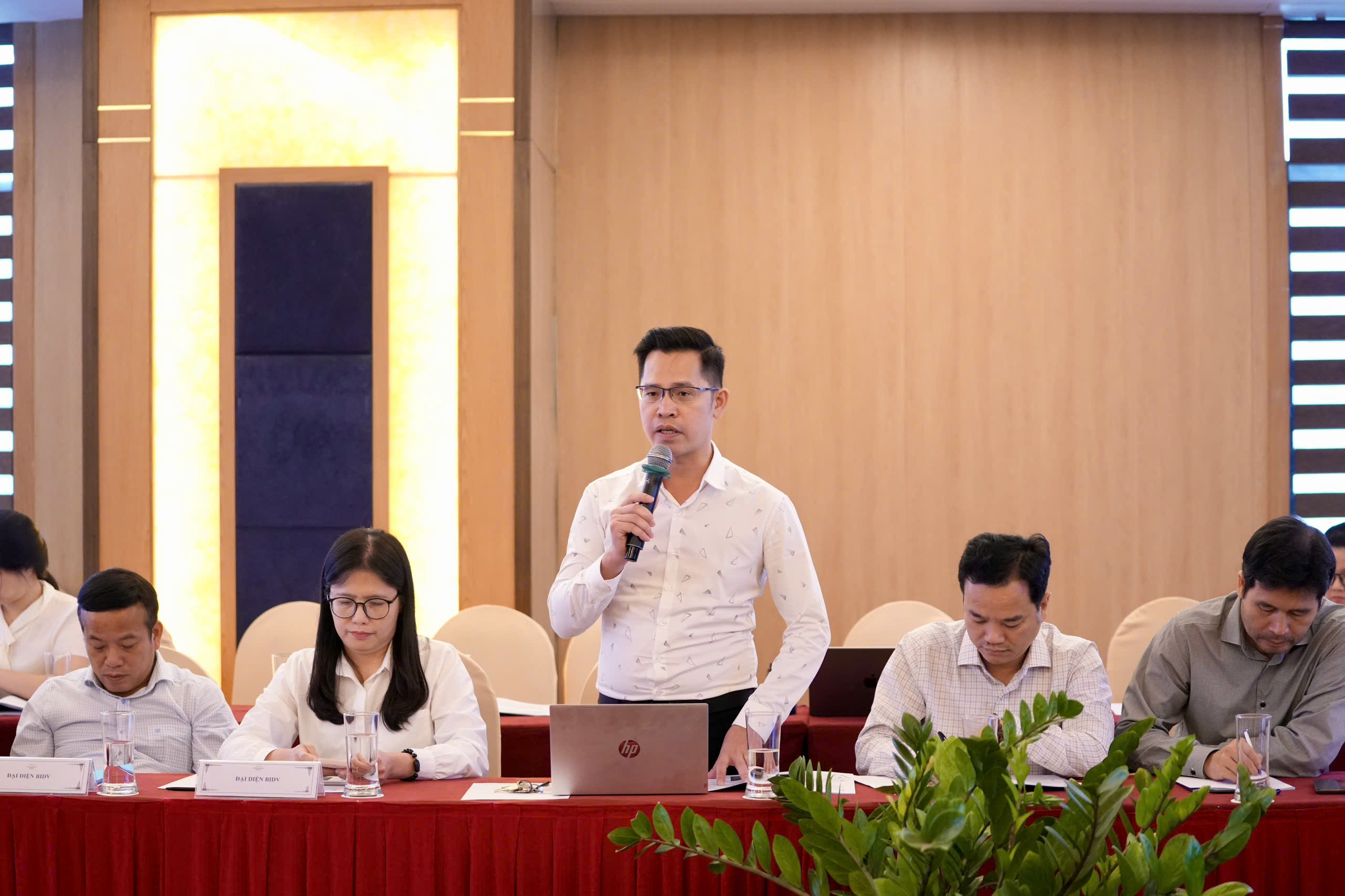
Mr. Tran Huynh Vuong Hoai Vu, Deputy Head of the Energy Management Division, Department of Industry and Trade of Da Nang City, participating in discussions at the workshop.