CPV Food's Journey Toward Energy Efficiency and Environmental Protection
Thứ tư, 05/08/2026 - 15:17
Against the backdrop of fluctuating energy prices and the growing urgency of sustainable development, CPV Food Co., Ltd., located in Becamex Industrial Park, Dong Nai Province, has demonstrated its commitment to efficient energy management through the implementation of a wide range of advanced technological solutions.
Operating under the integrated 3F (Feed – Farm – Food) model, CPV Food is not only one of Vietnam's leading poultry processing and preservation enterprises but also places strong emphasis on optimizing energy use throughout its entire value chain.
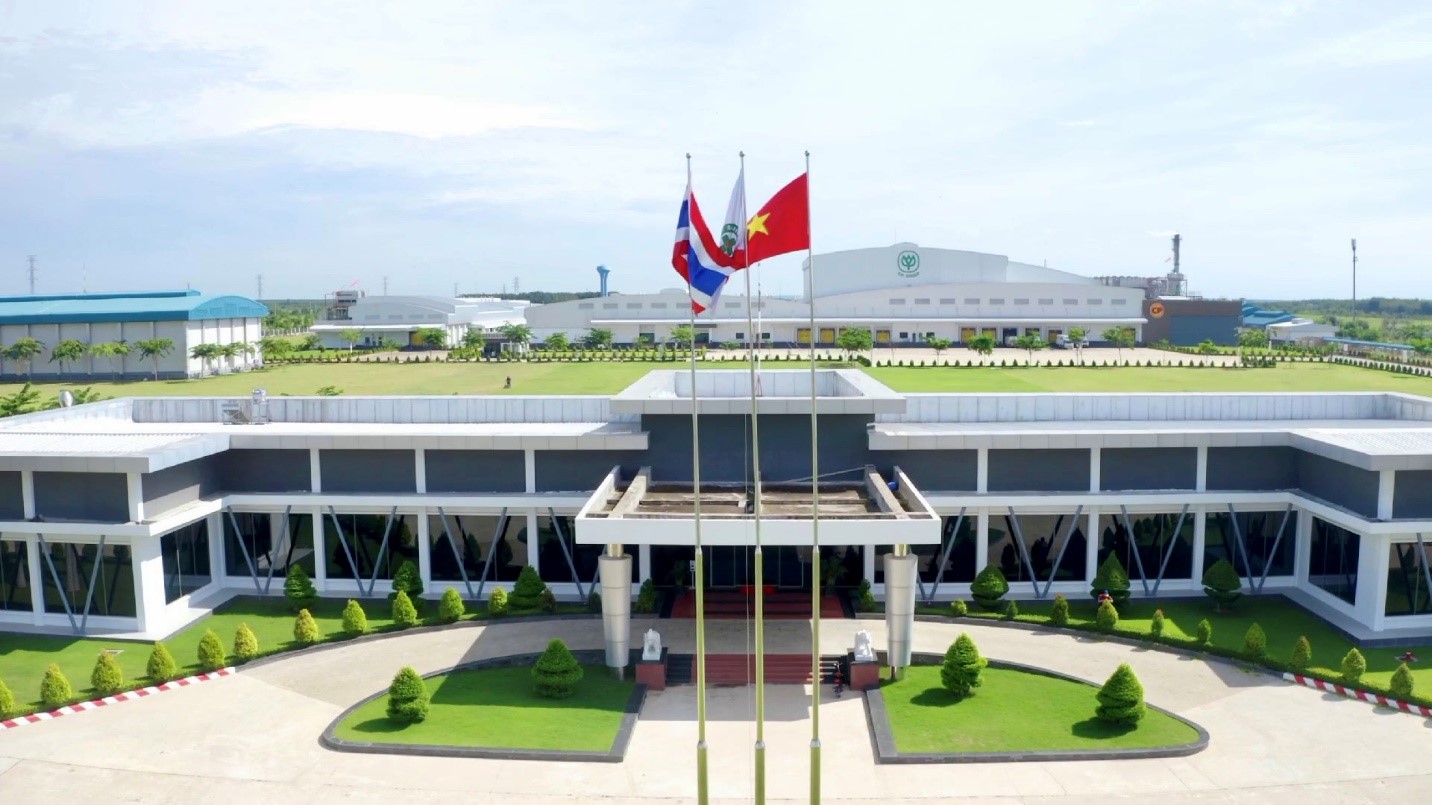
CPV Food Co., Ltd.
One of the key pillars supporting CPV Food's energy efficiency strategy is the implementation of an Energy Management System (EnMS) in accordance with ISO 50001:2018. Compliance with this international standard enables the company to closely monitor the energy consumption of equipment and production lines, identify operational inefficiencies, and eliminate energy waste. In parallel, the company regularly provides training to strengthen the capacity of its Energy Management Team, ensuring the effective operation of the management system. Since the end of 2022, CPV Food has also conducted comprehensive energy audits, identifying opportunities to save approximately 1,252.37 MWh of electricity per year and 61,608 liters of fuel oil (FO) annually.
Technical and Technological Solutions to Reduce Energy Consumption
Alongside its management system, the factory has implemented numerous technical improvements to enhance energy performance. One notable initiative was the installation of variable frequency drives (VFDs) on the compressed air system. The VFDs automatically adjust compressor output according to actual demand, eliminating energy losses caused by unloaded operation. Following the upgrade, the system's operating efficiency increased to more than 80%, while electricity consumption was reduced by approximately 43% compared to the previous operating method. The compressor room was also equipped with additional cooling fans to improve ventilation and lower equipment temperatures. This simple, low-power solution further reduced electricity consumption by approximately 2%.
According to Mr. Nguyen Hoang Thong, Energy Management Officer at CPV Food Co., Ltd., installing VFDs has made compressor operation more stable by reducing starting current, vibration, and operating temperature while significantly improving efficiency. "With an initial investment of just over VND 250 million, CPV Food now saves an average of more than VND 1.3 million in electricity costs every day, as the operating efficiency of the air compressors has increased from 57% to over 80%," Mr. Thong said.
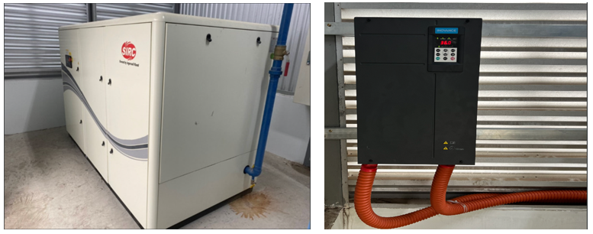
Air compressor integrated with a variable frequency drive (VFD).
Beyond optimizing its compressed air system, CPV Food has introduced several advanced technologies to improve production efficiency. Among these is the application of artificial intelligence (AI) in X-ray inspection systems, enabling more accurate product detection and shorter processing times, thereby improving operational efficiency.
In warehouse operations, the company has deployed an Automated Storage and Retrieval System (ASRS) with 1,776 storage locations, utilizing robots and automated handling systems to manage inventory. Automation has significantly reduced manual operations and optimized storage and logistics processes, lowering electricity consumption by approximately 40% compared with conventional warehouse operations.
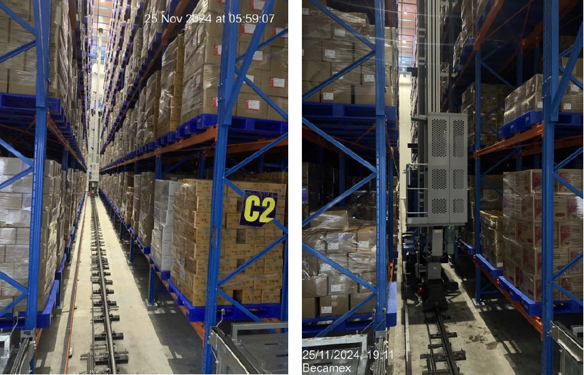
Automated ASRS warehouse system.
For material handling and palletizing, the factory has adopted automated robotic arms to replace manual operations. This solution has reduced electricity consumption for these activities by approximately 30%, while simultaneously improving productivity and product quality control during storage.
Furthermore, additional energy-saving measures has been applied include: Applying electromagnetic pulse technology to prevent scale formation in boilers, reducing fuel and chemical costs by approximately 23%; Installing thermal insulation for boilers and thermal oil systems, saving approximately 10% of fuel oil; Applying heat-insulating window film in air-conditioned areas, reducing electricity consumption by approximately 10%; Recovering waste heat from boilers for reuse, saving approximately 10% of fuel oil consumption.
In addition to optimizing equipment and production processes, CPV Food actively utilizes renewable energy sources to improve energy efficiency and reduce emissions. The factory has constructed a biogas system covering more than 800 m², utilizing wastewater generated during production to produce fuel gas for boilers used in the rendering plant. Each day, the system treats more than 2,000 m³ of wastewater, generating a stable fuel supply that replaces approximately 40% of the fuel oil previously consumed in this process. Besides delivering significant economic benefits, the biogas system helps reduce environmental pollution and promotes a circular economy within the factory's operations.
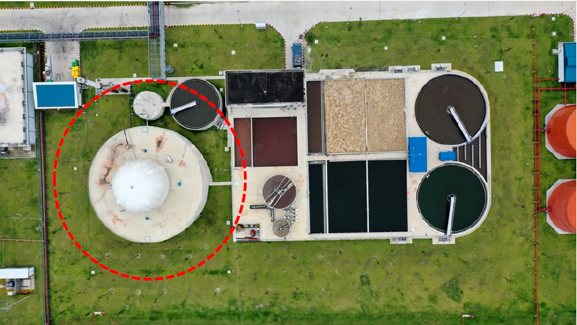
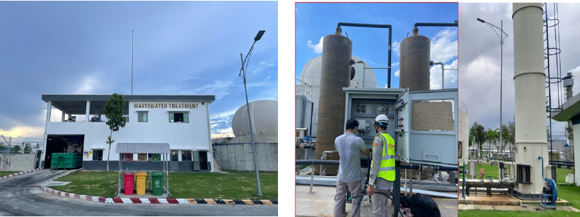
Wastewater treatment and biogas system at the factory.
Promoting Energy Efficiency Awareness
CPV Food also places strong emphasis on internal communication to foster an energy-saving culture among employees. Following the modernization of the factory's lighting system, all employees received direct communication regarding the improvements, encouraging the adoption of a simple but effective habit: switching off equipment and lights when not in use.
The company also organizes annual awareness campaigns, including participation in Earth Hour, involving employees from all departments to promote electricity conservation. In addition, internal initiatives such as AI-based innovation competitions for proposing energy-saving and environmental protection solutions encourage employees to actively contribute ideas for improving energy efficiency throughout the factory.
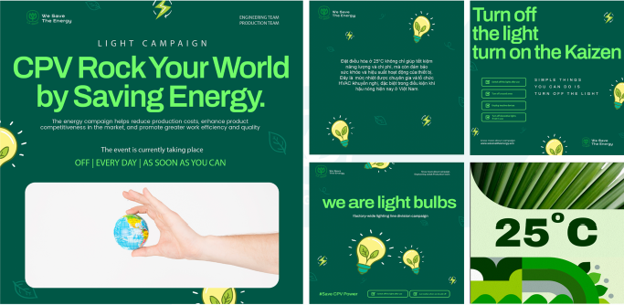
A series of Earth Hour awareness campaigns organized by CPV Food.
The integrated implementation of energy management practices, equipment upgrades, process optimization, and renewable energy utilization has substantially improved CPV Food's overall energy performance. By November 2025, the factory's total energy consumption was approximately 8,526 TOE, while production reached 87,902 tonnes, resulting in a specific energy consumption of only 0.111 TOE per tonne of product—representing a 27.9% improvement compared with the 2021 baseline year. These achievements demonstrate that CPV Food's comprehensive approach to operational optimization and energy conservation is delivering tangible results, supporting the company's transition toward a more sustainable production model within Vietnam's food processing industry.
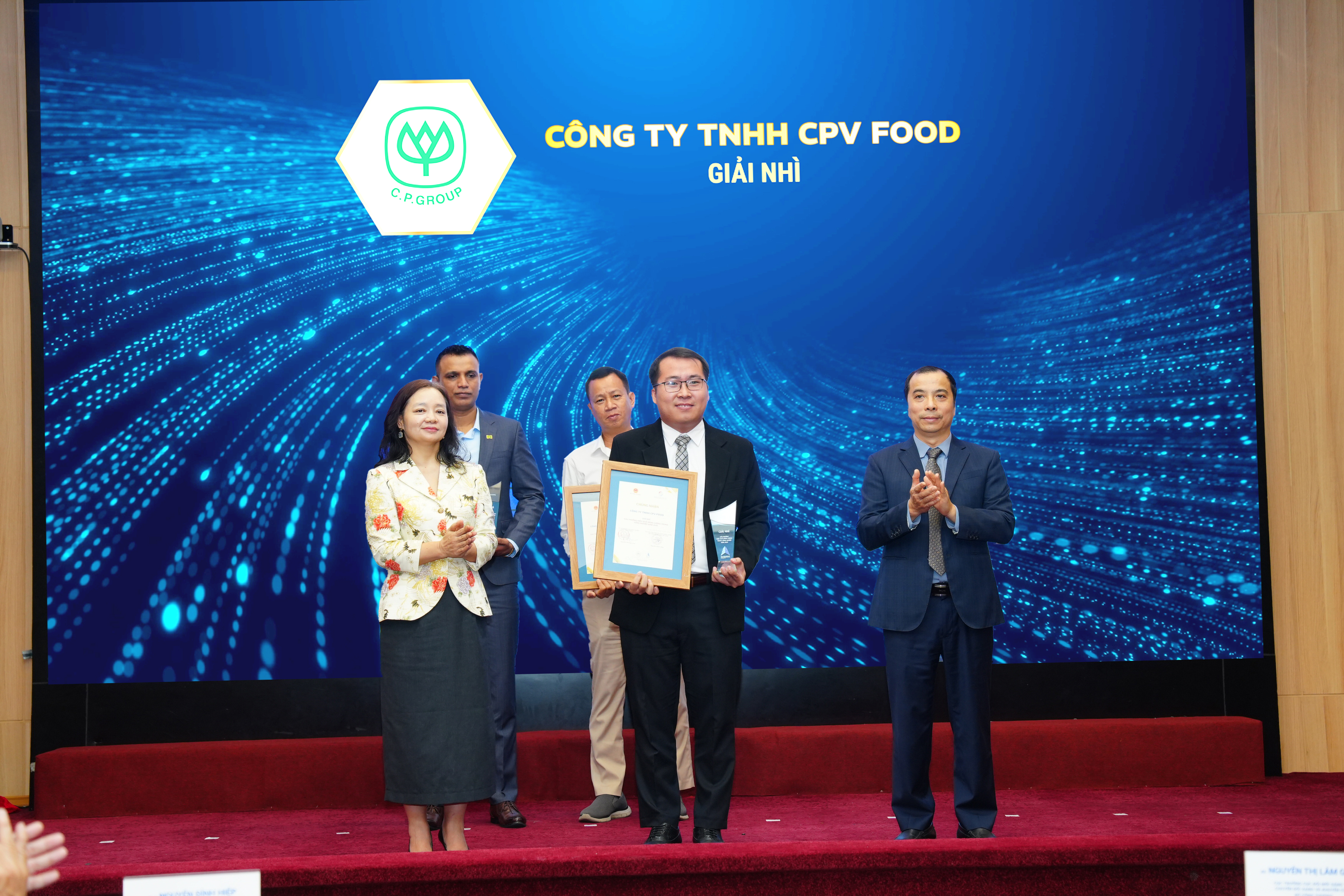
In recognition of these outstanding efforts, CPV Food Co., Ltd. received the Second Prize at the 2025 Vietnam Energy Efficiency in Industry Awards, jointly organized by the Ministry of Industry and Trade (MOIT) and the Vietnam Energy Conservation and Energy Efficiency Association (VECEA).