Vinacomin Implements Energy Efficiency and Conservation Measures
Thứ sáu, 29/05/2026 - 16:49
At many subsidiaries of the Vietnam National Coal and Mineral Industries Holding Corporation Limited (Vinacomin), models for electricity saving, fuel saving, the use of alternative energy, and increased recovery and reuse of old materials and equipment are being implemented alongside the modernization of production technologies.
Sustainable Development
Mr. Dang Thanh Hai, General Director of Vinacomin, stated that during the 2026–2030 period, the Group aims to achieve energy savings of 8–10% of total energy consumption across Vinacomin and reduce electricity losses to below 6%.
To accomplish these targets, Vinacomin has directed its enterprises to seriously implement the Vietnam National Energy Efficiency Program. To date, all Vinacomin subsidiaries have conducted energy audits and continuously adjusted and implemented practical energy-saving solutions suited to their operational conditions.
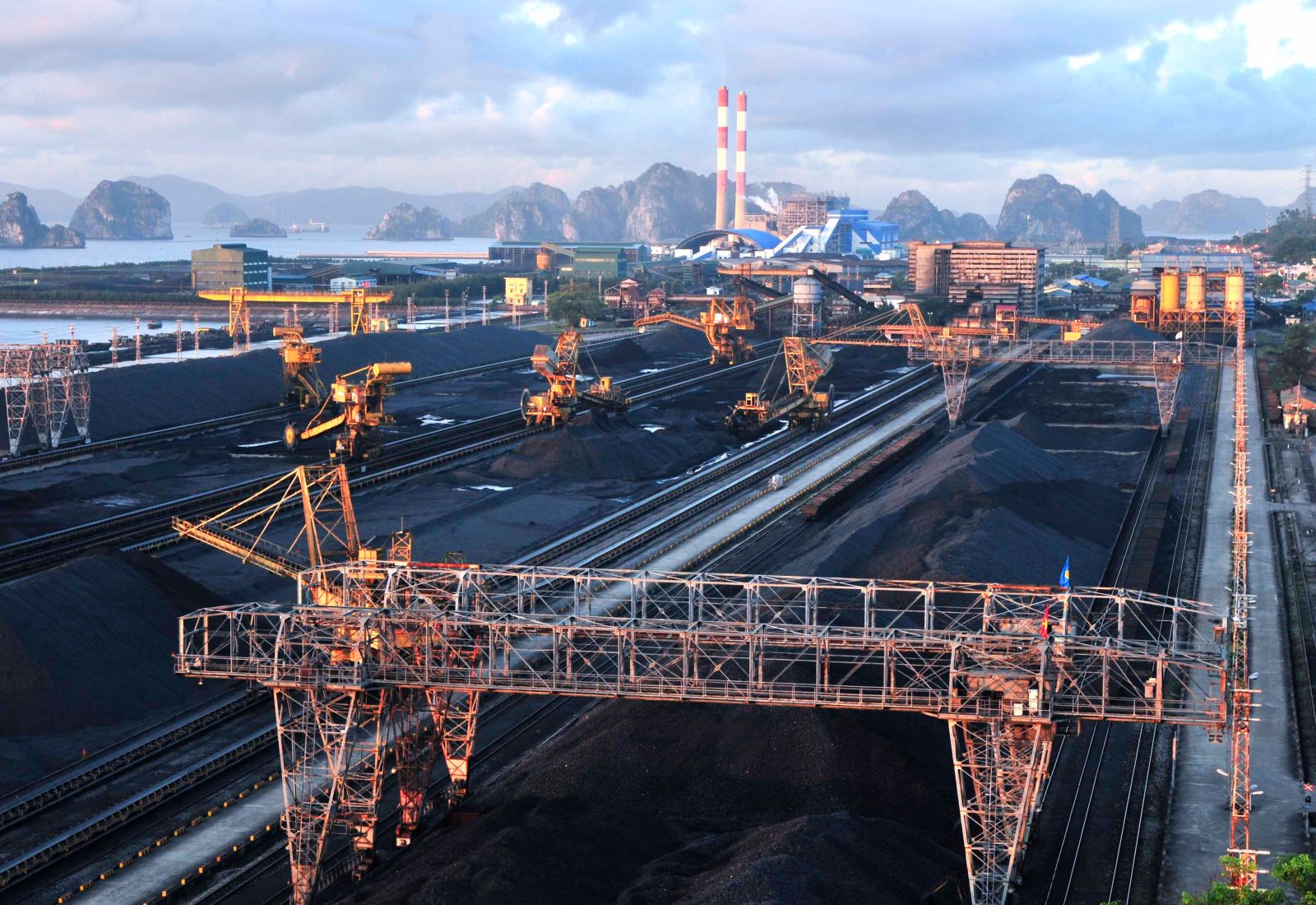
Vinacomin aims to achieve energy savings of 8–10% during the 2026–2030 period.
The Group also prioritizes solutions to reduce technical losses in electricity transmission and distribution, including: bringing high-voltage transmission closer to load centers; designing and operating new-generation transformer station equipment with lower energy losses; widely applying automatic on-load voltage regulation equipment, self-adjusting transformers, and local voltage regulation devices to ensure voltage quality and reduce electricity losses; broadly deploying automation and remote-control systems for transformer stations; and using new-generation switching equipment.
Typical examples include upgrading the voltage of several large-capacity mining equipment systems from 660V to 1,140V for underground mining operations; implementing efficient lighting systems; and investing in variable frequency drives (VFDs) and soft starters for electric motors such as underground mine ventilation fans, technological ventilation fans in thermal power plants, inlet water pumps for thermal power plants, and mine drainage pumps. Several units, including Ha Lam Coal, Cao Son Coal, Hon Gai Coal Preparation, and Tan Quang Cement, have established energy management systems in accordance with ISO 50001 standards to improve energy efficiency, while additional units continue to develop similar systems.
Expanding Energy-Saving Models
To improve labor productivity, output, product quality, and business efficiency, many Vinacomin subsidiaries have recently implemented energy-saving solutions in production, initially delivering positive results and benefits by reducing unnecessary energy consumption and lowering production costs.
Many Vinacomin coal screening, processing, and logistics units have installed fuel tank sensors integrated with GPS systems to monitor and control fuel consumption of haul trucks. In coal production operations, Vinacomin annually prioritizes investment resources for purchasing equipment with low energy consumption and high productivity, while also ensuring proper inspection, maintenance, and repair of machinery to maintain technical performance and reduce electricity consumption.
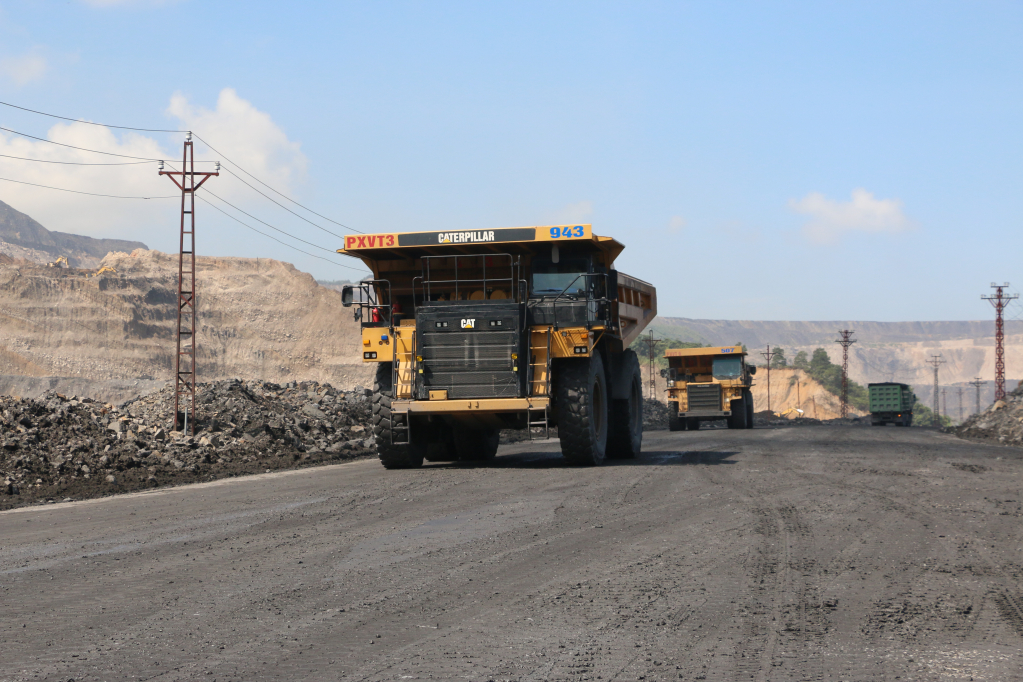
Vinacomin subsidiaries install fuel tank sensors integrated with GPS systems to monitor and control fuel consumption of haul trucks.
At Cao Son Coal Joint Stock Company, raw materials and fuel used in production account for one of the company’s largest operating expenses. Specifically, in coal and overburden transportation alone, the company plans to consume approximately 55–60 million liters of fuel annually. This level of consumption is based on the operation of more than 300 haul trucks with payloads ranging from 55 to 100 tons operating across three production shifts. On average, each transport vehicle consumes approximately 118 liters of fuel per 1,000 ton-kilometers. In addition, tire expenses also account for a significant portion of transportation costs, representing about 25% of the company’s material costs for transportation operations.
Mr. Nguyen Ngoc Toan, Deputy Director of the company, stated that to ensure profitability and keep operating costs within norms, the company prepares equipment to operate at maximum productivity and organizes shift handovers directly at mining sites to minimize mobilization costs for transport equipment.
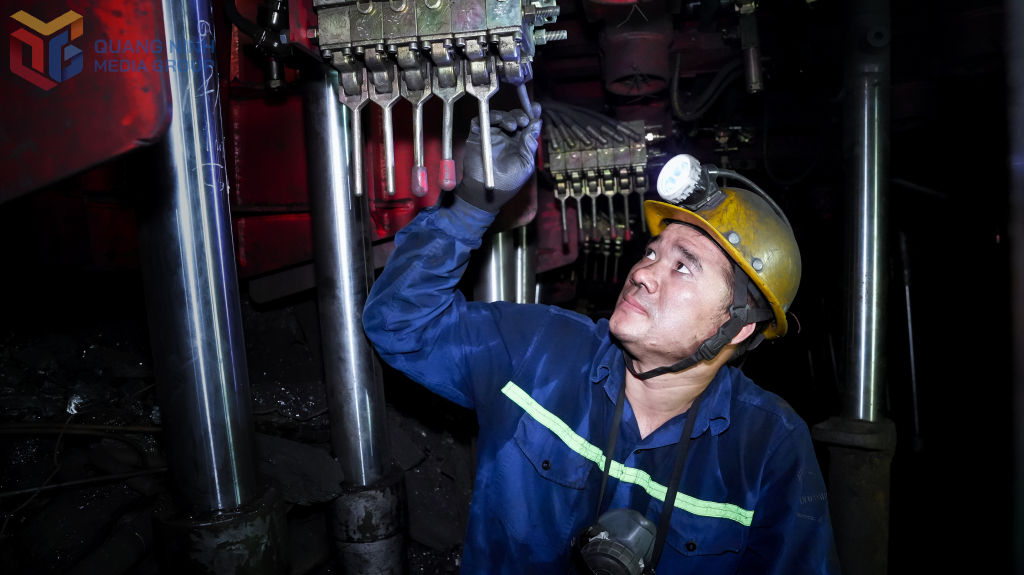
Workers at Vang Danh Coal Joint Stock Company inspect and maintain underground mining equipment systems to improve energy efficiency.
At Vang Danh Coal Joint Stock Company, the company has developed and implemented energy-saving plans from the beginning of the year, issuing detailed directives and procedures to each production department. The company has also invested in multiple variable frequency drive systems to control motor speed, helping reduce electricity consumption by approximately 40% during production shutdown days. In particular, the rooftop solar power system, which has been in operation since September 2023, continues to demonstrate efficiency by reducing pressure on the power grid and promoting the use of green energy in production.
Mr. Pham Van Kien, Deputy Head of the Mechanical and Transportation Department at Vang Danh Coal Joint Stock Company, stated that energy saving not only brings economic benefits but also plays an important role in reducing greenhouse gas emissions and improving the working environment in underground mines. The company is gradually expanding the application of rooftop solar power systems for both living and production activities. From now until the end of the year, the company will continue investing in rooftop solar systems mainly serving office areas and cafeterias, helping reduce dependence on the national power grid. This is considered a practical step in the company’s roadmap toward green energy use and sustainable development.
It can be seen that energy saving brings dual benefits to enterprises in the coal industry, helping both reduce production costs and improve operational efficiency under modern management models. This also serves as an important foundation for Vinacomin to enhance competitiveness, pursue sustainable and environmentally friendly development, and adapt to the green transition trend of the energy industry in the new era.