Improving Energy Efficiency in Textile and Garment Production at Crystal Martin Vietnam
Thứ ba, 26/05/2026 - 14:12
While maintaining an annual production output of nearly 80 million products, Crystal Martin (Vietnam) Co., Ltd. still managed to reduce energy consumption per unit of product by 19.2% during the 2020–2024 period
While maintaining an annual production output of nearly 80 million products, Crystal Martin (Vietnam) Co., Ltd. still managed to reduce energy consumption per unit of product by 19.2% during the 2020–2024 period. This result stems from the company’s comprehensive implementation of numerous energy-saving solutions in production, operations, and system management.
As energy conservation and emissions reduction become increasingly urgent requirements, Crystal Martin (Vietnam) Co., Ltd. is gradually building a garment factory model focused on efficient energy use and sustainable development. The company currently aims to reduce CO₂ emissions by 35% by 2030 and achieve net-zero emissions by 2050.
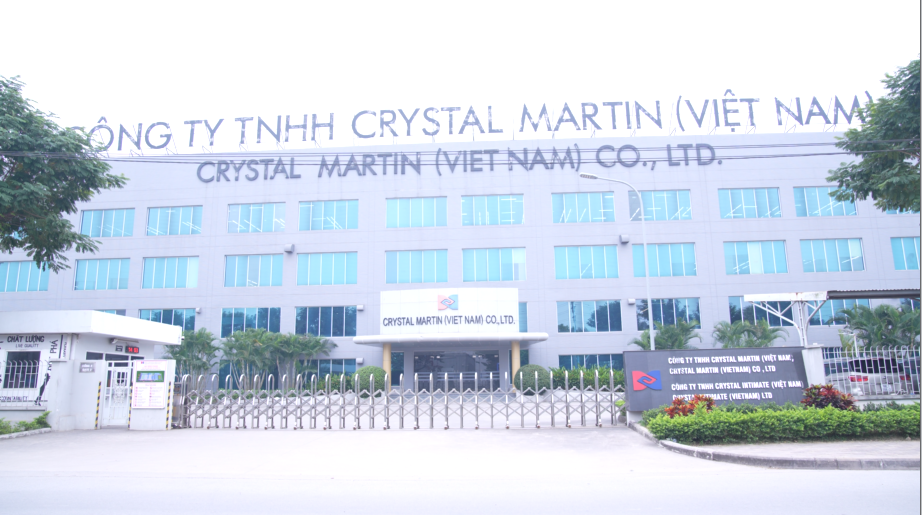
Crystal Martin (Vietnam) Co., Ltd. at Quang Chau Industrial Park, Bac Ninh Province.
One of the company’s priority areas for operational optimization is the compressed air system, which is among the largest electricity-consuming systems. The company reduced operating pressure from 0.75 bar to 0.65 bar and separated air pipelines between sewing and cutting areas to avoid excessive air supply. At the same time, shut-off valves were installed and proactively closed during non-production periods to minimize losses, especially at night.
In addition, air pipelines have gradually been upgraded from PVC to steel pipes to reduce leakage and pressure loss. Variable frequency drives (VFDs) were also installed on the air compressor system to adjust capacity according to actual demand. Thanks to these measures, the company saves more than 180,000 kWh of electricity annually while significantly reducing maintenance and operating costs.
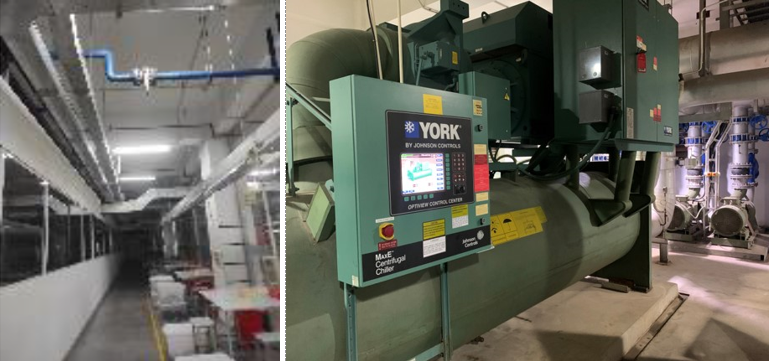
The air compressor system has been equipped with VFDs and shut-off valves.
For the lighting system, the company implemented both technological and operational solutions to optimize electricity usage efficiency. All conventional fluorescent lamps were replaced with high-efficiency LED lighting, and switch systems were separated by area for flexible control. The company also uses movable lighting frames to match actual production layouts.
In corridors, stairways, restrooms, and break rooms, motion sensors were installed to automatically control lighting. Lighting systems in workshops, factory grounds, and signboards are programmed with timers based on working hours.
The company also maximizes the use of natural daylight in offices and cafeterias, helping save approximately 5,000 kWh of electricity and reduce around 3 tons of CO₂ emissions annually.
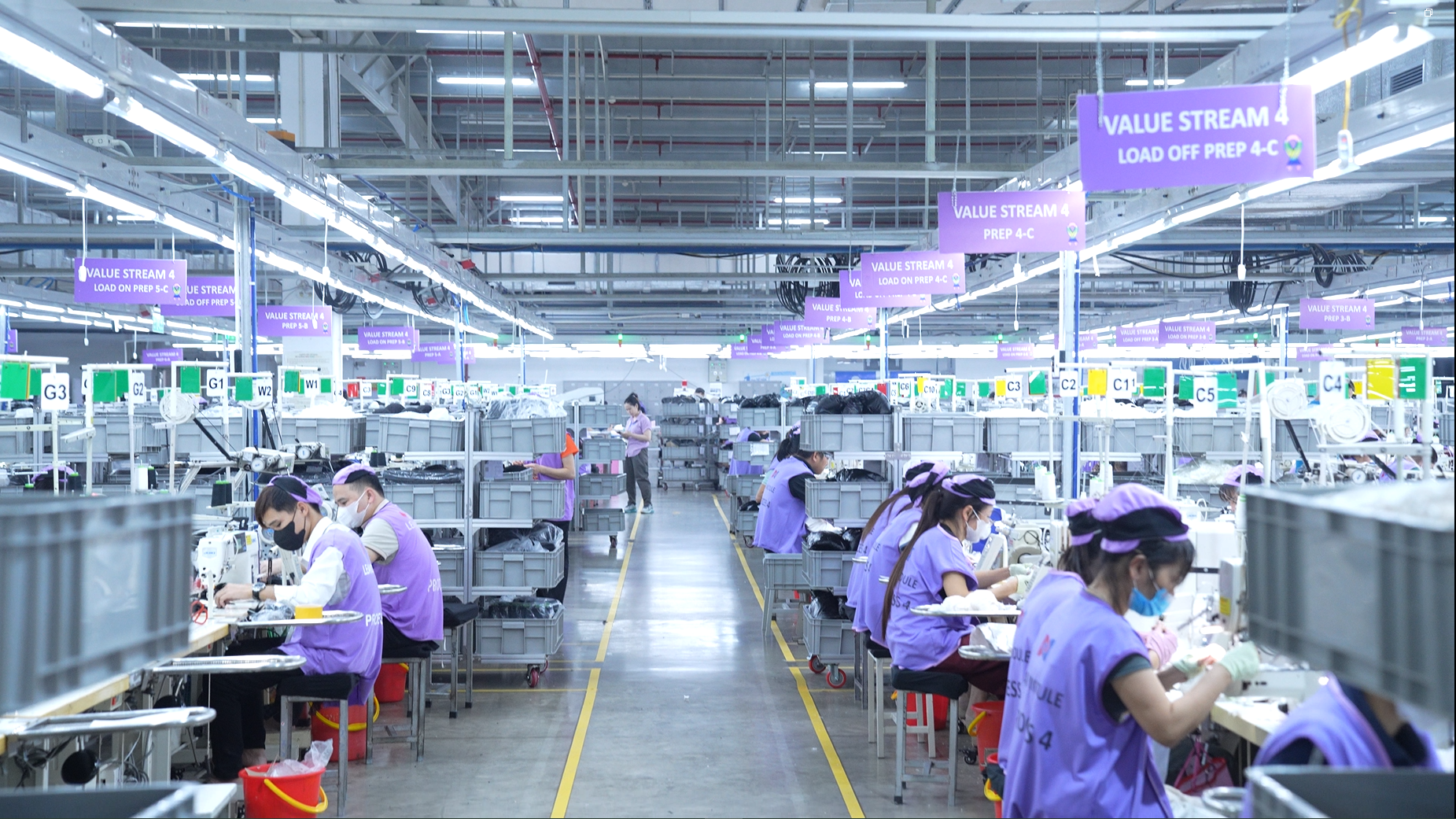
Movable lighting frames inside the factory.
For the cooling system, the company implemented multiple integrated solutions to reduce air-conditioning loads and optimize HVAC operations. In the kitchen area, ventilation fans were equipped with timers so they only operate during cooking hours, while operating capacity was adjusted according to actual demand.
The company also installed air curtains at entrances to reduce thermal losses, combined with a cooling pad system utilizing chilled wastewater from the central air-conditioning system, resulting in significant cost savings compared to conventional cooling methods. In production workshops, cool outside air is utilized when temperature conditions are suitable, combined with fresh air supply and pre-cooling before being introduced into the production space. Thanks to this flexible approach and the utilization of available energy sources, the cooling system has not only improved operational efficiency but also delivered substantial energy and cost savings.
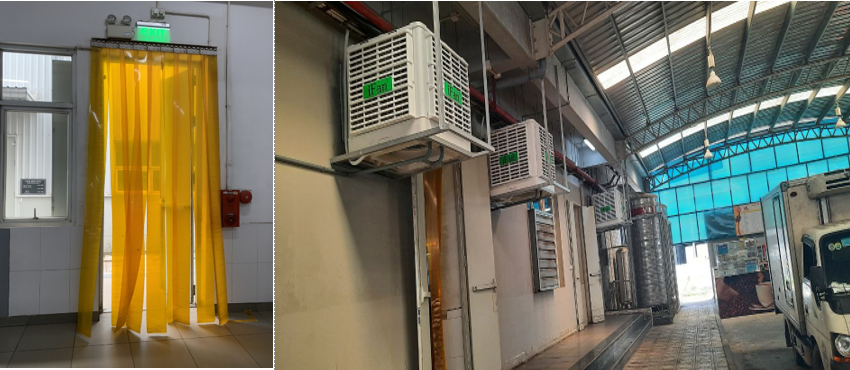
Air curtains and cooling pads in the cafeteria area.
Alongside optimizing energy consumption, Crystal Martin (Vietnam) Co., Ltd. has also proactively utilized renewable energy and recovered excess energy. Its rooftop solar power system, consisting of 3,960 solar panels with a total installed capacity exceeding 3,000 kWp (during 2020–2024), currently supplies around 15% of the factory’s electricity demand, equivalent to approximately 2,802 MWh annually, generating savings of more than USD 226,000.
In addition, a solar water heating system has been installed to support domestic and operational needs, saving more than 28,000 kWh of electricity and reducing over 18.5 tons of CO₂ emissions annually. The company also recovers waste heat from air compressors to heat water for cafeteria use, thereby significantly reducing primary energy demand and improving the overall operational efficiency of the factory.
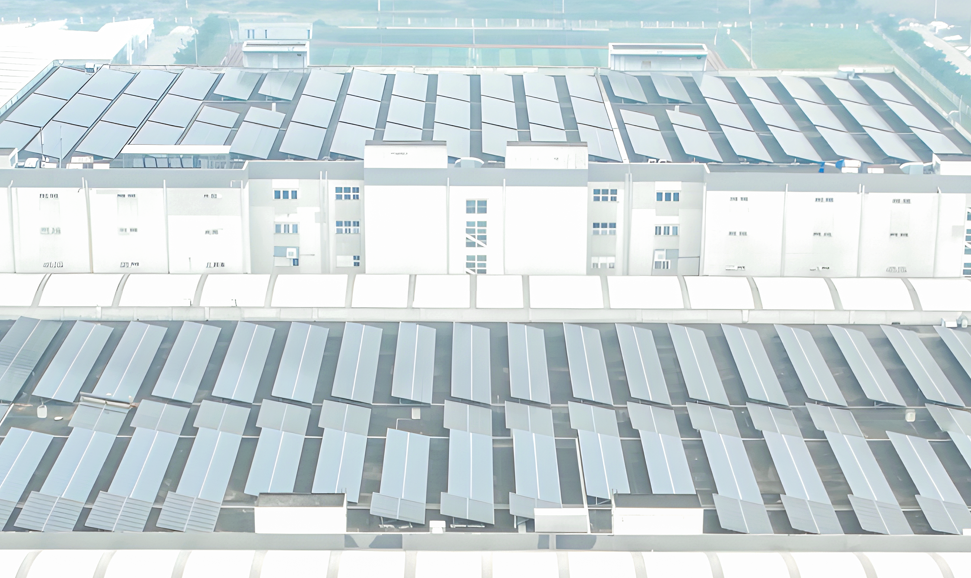
Rooftop solar power system at the Crystal Martin Vietnam factory.
Discussing the company’s energy-saving activities, Mr. Truong Thanh Nghi – Senior Maintenance Supervisor at Crystal Martin (Vietnam) Co., Ltd. – stated that the energy-saving solutions have received strong support from company leadership and have been implemented consistently across all departments, especially the technical division. “We set energy-saving targets by year and by month, closely monitor implementation, and simultaneously deploy projects with energy-saving potential,” Mr. Nghi shared.
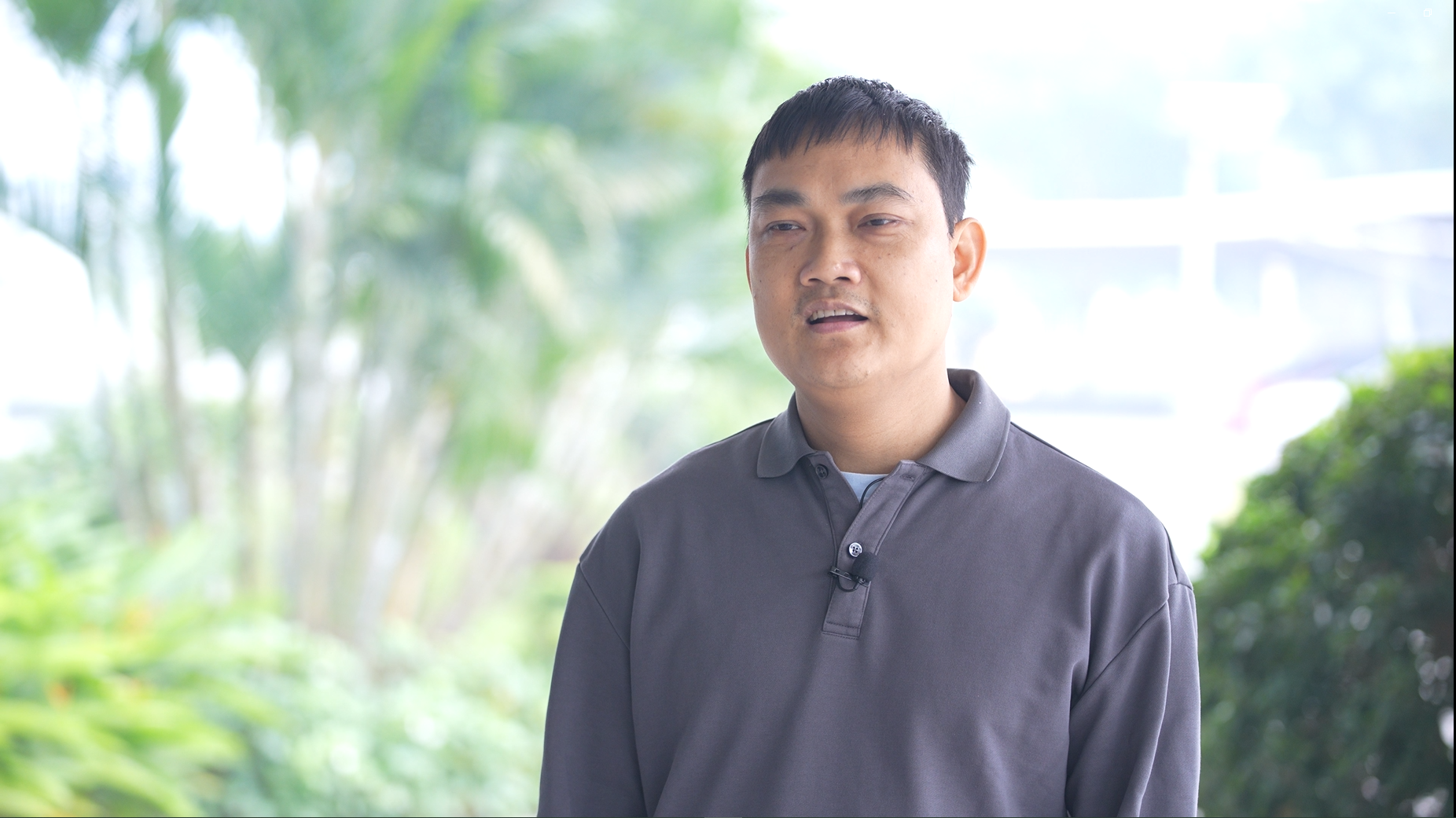
Mr. Truong Thanh Nghi – Senior Supervisor of the Maintenance Department, Crystal Martin (Vietnam) Co., Ltd.
To effectively manage and monitor these solutions, the factory installed a smart electricity metering system with 61 measuring points across key consumption areas, combined with monitoring software for continuous supervision and early detection of abnormal energy usage. This system enables the company to establish consumption benchmarks, evaluate performance by area, and make appropriate operational adjustments.
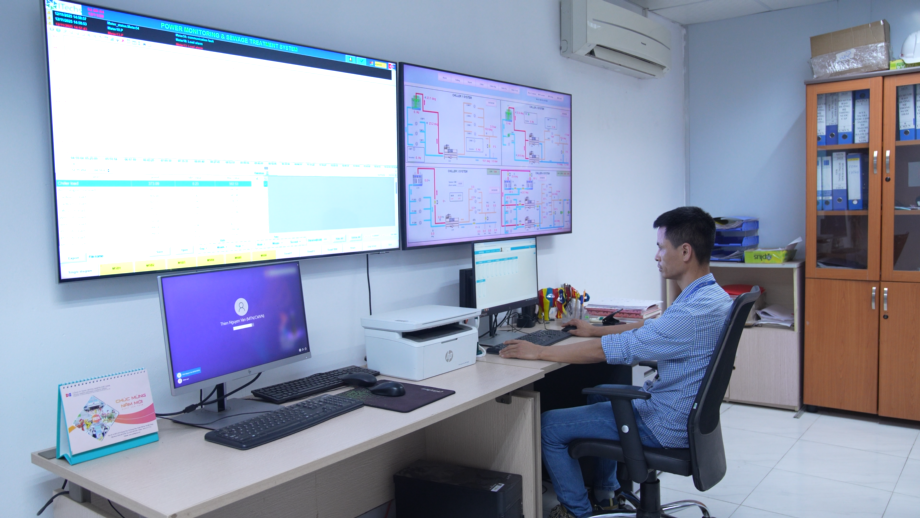
Energy monitoring system.
In addition to technical solutions, the company also places strong emphasis on raising awareness and changing employees’ energy-use behavior through training programs, internal communications, and initiatives encouraging improvement ideas. The combination of technology, management, and human factors has enabled Crystal Martin (Vietnam) Co., Ltd. to sustainably maintain energy-saving performance while gradually moving closer to its long-term green development and emissions reduction goals.