Strict and Effective Implementation of the VNEEP3
Thứ tư, 25/03/2026 - 14:24
Energy efficiency and conservation has been identified as one of the top priority solutions to mitigate risks related to energy supply, reduce production costs, improve economic efficiency and competitiveness, and contribute to ensuring national energy security and sustainable development.
Prime Minister Pham Minh Chinh has recently signed and issued Directive No. 09/CT-TTg dated March 19, 2026 on strengthening energy conservation, promoting energy transition, and developing electric transportation.
Energy Efficiency and Conservation as a Key Priority Solution
The Directive highlights that in recent years, global political, economic, and security conditions have experienced complex fluctuations. Military conflicts and geopolitical tensions—particularly in major energy-producing and transit regions—have directly affected the supply of oil, gas, and coal in international markets. These disruptions have led to sharp energy price volatility, posing significant challenges for energy-importing countries, including Vietnam, and increasing risks to national energy security.
The Prime Minister has instructed ministries, sectors, and localities to: Promote electric transportation; Develop charging infrastructure; Encourage the use of biofuels; Invest in high energy-efficiency technologies and equipment. Special emphasis is placed on strictly and effectively implementing the National Program on Energy Efficiency and Conservation for 2019–2030 across industry, construction, and transport sectors.

Achieve a minimum electricity saving of 3% per year for key energy-consuming facilities.
Energy efficiency is expected to contribute to: Reducing energy intensity (energy consumption per unit of GDP) by 1–1.5% annually; Achieving at least 3% annual electricity savings for major energy-consuming facilities; Reducing transmission and distribution losses to 5.8%; Ensuring 100% of key energy users conduct periodic energy audits; Ensuring 100% adoption of energy management systems among major energy users; Converting at least 50% of public transport vehicles in major cities to electric.
Urgent Need to Improve Energy Efficiency and Promote Electric Mobility
In response to energy security challenges and global market volatility, the Prime Minister calls on ministries, sectors, local authorities, businesses, and society to focus on: Integrating energy-saving targets into policies, strategies, and planning frameworks; Implementing strong energy-saving measures to reduce supply pressure; Promoting electric vehicles and biofuels to reduce dependence on imported fossil fuels; Investing in high-efficiency technologies, optimizing production systems, recovering waste heat, and applying digital technologies in energy management; Prioritizing energy-saving solutions in key industries such as steel, cement, chemicals, paper, beverages, plastics, textiles, and food processing.
Additionally, the Directive encourages research and pilot applications of hydrogen, ammonia, and low-emission fuels, as well as the deployment of battery energy storage systems (BESS), rooftop solar, and wind power.
Finalizing Policies on Energy Efficiency and Conservation.
The Ministry of Industry and Trade of Vietnam is tasked with: Monitoring global energy markets and advising the Government; Finalizing policies, standards, and technical regulations on energy efficiency; Expanding energy labeling requirements and minimum energy performance standards; Strengthening inspections of energy use compliance, especially for major energy users; Ensuring adequate energy supply under all circumstances.
Promoting the ESCO Market and Innovation
The Directive emphasizes: Advancing science, technology, innovation, and digital transformation in the energy sector; Promoting energy service companies (ESCOs); Developing standards for energy consumption in industrial production; Phasing out incandescent lamps (20W–60W) from the market; Establishing technical standards for EV charging infrastructure.
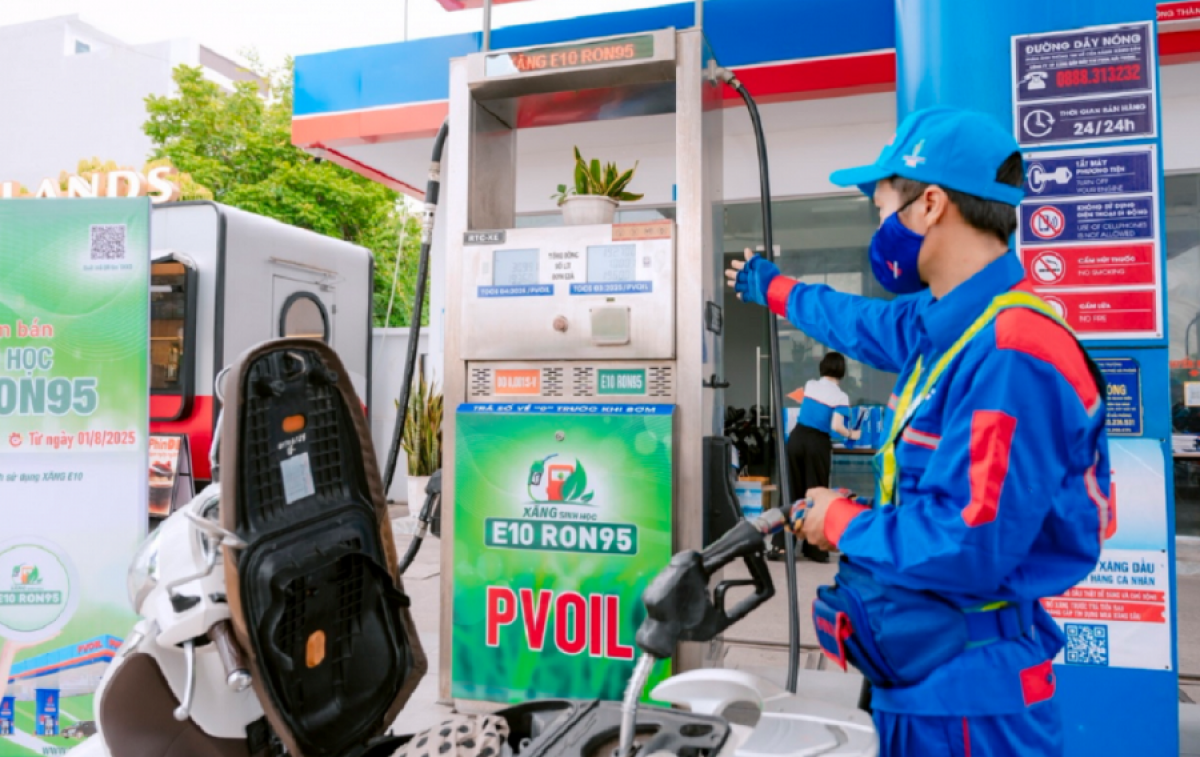
Accelerating Biofuel Adoption (E10) from 4/2026
The Government aims to: Roll out E10 biofuel starting April 2026, targeting a 10% reduction in conventional gasoline consumption; Support domestic industries in supplying components for electric vehicles.
Urgently develop energy saving programs and scenarios, promote awareness and implement energy saving solutions throughout society, focusing on: encouraging the transition to electric and clean fuel vehicles; increasing fuel savings in transportation; and encouraging the use of public transportation.
Expanding Electric Transport and Infrastructure at large cities
The Ministry of Construction of Vietnam is responsible for: Developing building standards for energy efficiency; Promoting green buildings; Encouraging EV charging infrastructure in urban areas; Expanding electric public transport systems.
In summary, this document evaluates the results of implementing Decision No. 876/QD-TTg dated July 22, 2022, of the Prime Minister approving the action program on green energy transition and reduction of carbon and methane emissions in the transport sector, in order to propose focused additions and amendments to achieve the green transition goals in transport as soon as possible.
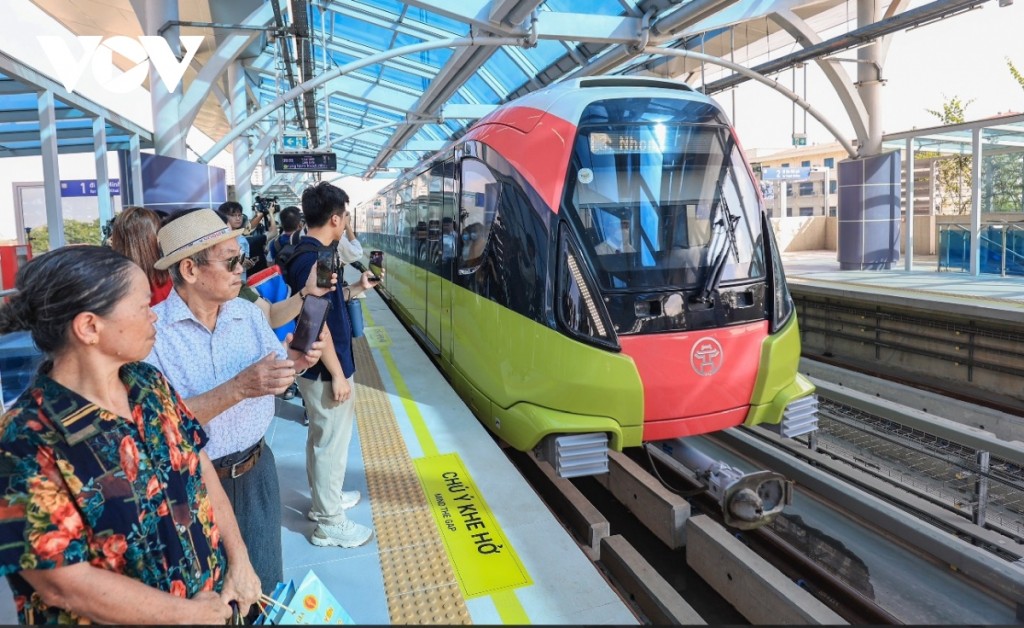
Encouraging the production and use of electric vehicles
The Ministry of Finance, in coordination with the Ministry of Industry and Trade, will develop and promptly submit to the Government a Fund to promote energy saving and efficiency, to be completed in 2026.
The Ministry will urgently research and issue financial incentive mechanisms for energy saving projects within its authority, to be completed in June 2026.
The Ministry will research and issue mechanisms to encourage the production and use of electric vehicles within its authority, to be completed in June 2026.
Developing raw material areas for biofuel production
The Ministry of Science and Technology is promoting research, development, and technology transfer for energy-saving technologies, developing and applying energy-saving technologies, battery technologies, charging station technologies, new generation storage batteries, and high-efficiency engines.
The Ministry of Agriculture and Environment is leading and coordinating with ministries, sectors, and localities to review and develop raw material areas for biofuel production; promoting the use of agricultural by-products as raw materials for fuel ethanol production, to be completed by 2026.
Organizing a review of the potential and promoting the development of biomass energy from agricultural by-products, livestock waste, and forestry waste.
Develop and finalize regulations on the management, recovery, and recycling of electric vehicle batteries and related waste to ensure sustainable development of electric transportation within their jurisdiction, to be completed in the third quarter of 2026.
Encourage businesses to invest in charging stations for electric vehicles.
The People's Committees of provinces and cities shall urgently develop and implement plans for energy saving and efficiency, strengthen the implementation of energy saving solutions, especially in state agencies and production and business establishments within their jurisdiction, to be completed in April 2026.
Develop and promulgate mechanisms and policies to encourage businesses to invest in charging stations for electric vehicles, in accordance with the actual situation in the locality within their jurisdiction, to be completed in September 2026.
Supplement the planning and require the arrangement of charging infrastructure for transportation systems in urban areas and construction projects.
Develop and issue mechanisms and policies to encourage the development of electric buses, electric taxis, and other clean transportation vehicles in the locality within its authority, to be completed by September 2026.
Strengthen inspection and supervision of energy use in agencies, offices, production and business establishments, in the construction and implementation of annual plans on energy use, energy consumption levels, and energy saving and efficiency as prescribed.
Organize and conduct inspections and checks on compliance with legal regulations on energy efficiency of vehicles, equipment, and construction materials in production, business, and distribution in the area.
Review the list of priority loads in electricity supply, ensuring efficiency, transparency, and avoiding waste, to be completed by May 2026.
Develop and promulgate mechanisms and policies to encourage the development of rooftop solar power models suitable to the local situation within the scope of authority, to be completed by September 2026.
Strengthen electricity demand management and load adjustment programs.
Vietnam Electricity Group (EVN) will strengthen electricity demand management and load adjustment programs. Develop solutions to encourage customers to use electricity economically and efficiently, to be completed in the second quarter of 2026.
Accelerate the implementation of solutions to reduce electricity consumption for transmission and distribution across the entire system to achieve a 5.8% reduction by 2030.
Accelerate the implementation of the load management program and electricity saving solutions to achieve a minimum electricity saving of 3% per year for customers who are key energy consumers.
Build a smart, efficient power system capable of securely connecting to the regional power grid; Ensuring safe and efficient electricity supply, to be completed in the fourth quarter of 2026.
Electricity transmission and distribution units must develop specific programs, plans, standards, and roadmaps to reduce power losses in the transmission and distribution system, and are responsible for inspecting and monitoring the underload and overload conditions of the power grid system, to be completed before the fourth quarter of 2026.
Promoting the business and distribution of biofuels
Petroleum distribution and trading units must strengthen control over loss rates in transportation, distribution, and storage within their supply systems.
Proactively research and implement solutions for energy saving and efficiency in the business, transportation, and distribution of petroleum products; strengthen the application of technology and optimize the logistics system to reduce energy consumption and emissions.
Promoting the business and distribution of biofuels and other high-quality, low-emission fuels contributes to achieving the energy transition and emission reduction goals in the transportation sector.
The Vietnam Coal and Mineral Industry Group promotes mechanization and optimizes operating systems in coal mining and transportation; reduces energy consumption in mine ventilation systems, mine drainage pumps, and coal transportation.
Implementing assessments of energy resource recovery and efficient utilization plans in the mining process; controlling losses in production, transportation, distribution, and storage within the enterprise's supply system; periodically reviewing and updating regulations on coal loss management to suit the Group's coal mining conditions.